

trinta-réis-preto vs trinta-réis-das-rocas
Anous minutus versus Onychoprion fuscatus
Jogue um quiz com trinta-réis-preto e trinta-réis-das-rocas
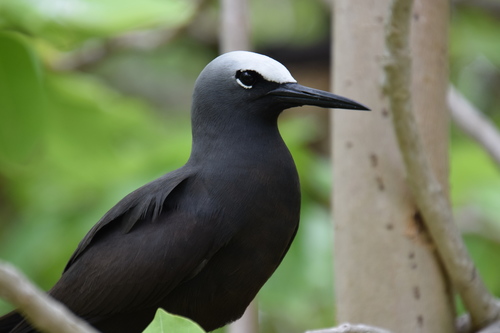 trinta-réis-preto
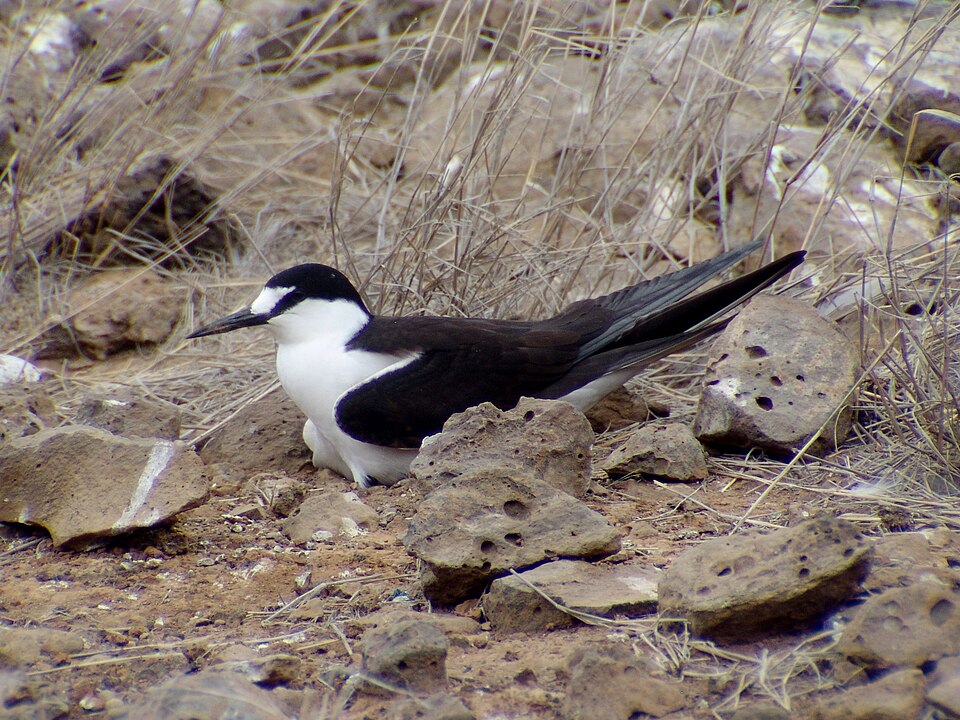 trinta-réis-das-rocas
Em resumo
A marca de campo mais confiável para separar o trinta-réis-preto do trinta-réis-das-rocas é o padrão da cabeça: o trinta-réis-preto apresenta uma impressionante touca branca e lore escuro, enquanto o trinta-réis-das-rocas tem uma testa branca, mas lore e coroa pretos. Em voo, o trinta-réis-das-rocas é maior, com asas mais longas e uma cauda profundamente bifurcada, e apresenta um contraste acentuado entre as partes superiores escuras e as partes inferiores brancas. Os trinta-réis-das-rocas juvenis são escamosos por cima e muito mais escuros por baixo do que qualquer trinta-réis-preto. Ambas as espécies são trinta-réis preto e branco tropicais, mas a estrutura, o padrão da cabeça e a cor das partes inferiores são fundamentais. Observe o corpo totalmente escuro do trinta-réis-preto com uma touca clara, em contraste com a barriga e a testa brancas do trinta-réis-das-rocas.
Dicas de identificação
- O padrão da cabeça é fundamental: O trinta-réis-preto tem uma touca branca bem definida que se estende do bico sobre a coroa, com lores escuros; o trinta-réis-das-rocas tem apenas uma testa branca, com coroa e lores pretos. Esta é a marca mais confiável em todas as idades.
- Cor dos lores: Os lores do trinta-réis-preto são escuros, se misturando ao rosto; os lores do trinta-réis-das-rocas também são pretos, mas o branco da testa é mais restrito e não se estende sobre a coroa.
- Partes inferiores: O trinta-réis-preto é escuro por baixo, combinando com as partes superiores; o trinta-réis-das-rocas tem partes inferiores brancas, em contraste acentuado com as partes superiores escuras. Isso é óbvio em voo e em repouso para os adultos.
- Formato da cauda: O trinta-réis-das-rocas tem uma bifurcação moderadamente profunda na cauda, mais pronunciada do que a cauda quadrada ou apenas ligeiramente entalhada do trinta-réis-preto. Isso é visível em voo ou quando empoleirado com a cauda aberta.
- Formato das asas e voo: O trinta-réis-das-rocas tem asas mais longas e angulares e um voo mais poderoso e direto; as asas do trinta-réis-preto são mais curtas e mais afiladas, com um estilo de voo mais flutuante e menos forçado.
- Plumagem juvenil: O trinta-réis-das-rocas juvenil é escamoso por cima (franjas claras em penas escuras) e muito mais escuro por baixo, com apenas a parte inferior da barriga esbranquiçada; os juvenis do trinta-réis-preto não apresentam esse padrão escamoso ou partes inferiores escuras tão extensas.
- Bico e pernas: Ambos têm bicos e pernas pretos, mas o trinta-réis-preto pode mostrar pés laranja em algumas subespécies (geralmente não visíveis em campo). O formato do bico é semelhante: longo e pontudo.
- Postura empoleirada: O trinta-réis-preto frequentemente se empoleira em galhos, rochas ou até mesmo em estruturas humanas perto de colônias; o trinta-réis-das-rocas é mais provável de ser visto em solo aberto ou areia.
- Tamanho: O trinta-réis-das-rocas é maior e mais robusto, com uma envergadura maior e uma construção mais pesada. Em bandos mistos ou colônias, isso é aparente.
- Vocalizações: O trinta-réis-das-rocas é barulhento, com chamados altos e repetidos; o trinta-réis-preto é muito mais silencioso. Se você ouvir um 'wide-a-wake' ou 'ker-wack-a-wack' ruidoso, é o trinta-réis-das-rocas.
- Contexto do habitat: O trinta-réis-das-rocas está quase sempre sobre o oceano aberto ou se reproduz em ilhas remotas; o trinta-réis-preto pode ser visto mais perto da costa ou em baías abrigadas.
- Contexto da observação: Se visto no interior, especialmente após tempestades, o trinta-réis-das-rocas é mais provável, já que o trinta-réis-preto é menos propenso a ser levado pela tempestade longe da costa.
- Borda da cauda: A cauda do trinta-réis-das-rocas tem bordas externas brancas, às vezes visíveis em voo; a cauda do trinta-réis-preto é totalmente escura.
- Marcas faciais brancas: O trinta-réis-preto tem um pequeno crescente branco sob cada olho e uma mancha branca acima do olho, além da touca; o trinta-réis-das-rocas não possui essas manchas faciais.
- Risco de confusão: Em luz fraca ou vistas distantes, ambos podem parecer 'preto e branco', mas concentre-se na extensão e forma do branco na cabeça e na cor das partes inferiores para ter a melhor chance de identificação correta.
Tamanho
O trinta-réis-das-rocas é visivelmente maior, medindo 36–45 cm de comprimento com uma envergadura de 82–94 cm, em comparação com os 35–37 cm de comprimento e 66–72 cm de envergadura do trinta-réis-preto [wikipedia]. O trinta-réis-das-rocas é mais robusto e com asas mais longas, e essa diferença é aparente em comparação direta ou em colônias mistas. O trinta-réis-preto é mais leve (98–144 g) do que o trinta-réis-das-rocas, que é mais pesado, mas a massa exata não é fornecida. Em campo, as asas mais longas e angulares do trinta-réis-das-rocas e a cauda bifurcada mais profunda enfatizam ainda mais sua vantagem de tamanho.
Plumagem
- Juvenis/imaturos: O trinta-réis-das-rocas juvenil é distinto, sendo cinza-preto por cima e por baixo com franjas claras estreitas acima (aparência escamosa) e apenas a parte inferior da barriga esbranquiçada; isso é muito mais escuro e mais padronizado do que qualquer trinta-réis-preto, que não apresenta partes superiores escamosas ou partes inferiores escuras tão extensas [wikipedia].
- Adultos: O trinta-réis-preto é totalmente escuro, exceto por uma touca branca bem demarcada (coroa) e pequenas marcas brancas ao redor do olho; os lores (entre o bico e o olho) são escuros, se misturando ao rosto. O trinta-réis-das-rocas tem uma testa branca, mas coroa e lores pretos, de modo que o branco não se estende sobre a coroa como no trinta-réis-preto. As partes superiores do trinta-réis-das-rocas são pretas a marrom-escuro, com partes inferiores brancas e uma cauda moderadamente bifurcada com bordas brancas. As partes inferiores do trinta-réis-preto são escuras como as partes superiores, sem a barriga e flancos brancos do trinta-réis-das-rocas. O bico e as pernas são pretos em ambos, mas o trinta-réis-preto pode mostrar pés laranja em algumas subespécies (geralmente não relevantes em campo).
Comportamento
Ambos são trinta-réis altamente pelágicos, mas o trinta-réis-das-rocas é especialmente oceânico, frequentemente permanecendo no mar por anos e raramente indo à terra, exceto para reproduzir. O trinta-réis-preto também é marinho, mas pode ser visto pousando em penhascos ou árvores perto de colônias. Em voo, o trinta-réis-das-rocas é mais poderoso e direto, com asas mais longas e angulares e uma cauda mais profunda e bifurcada, frequentemente voando mais alto e mais rápido. O trinta-réis-preto parece mais flutuante e menos forçado, com asas mais curtas e mais afiladas e uma cauda menos bifurcada e mais quadrada. Empoleirado, o trinta-réis-preto frequentemente se senta em galhos ou rochas, enquanto o trinta-réis-das-rocas é mais provável de ser visto em solo aberto.
Habitat
Ambas as espécies se reproduzem em ilhas tropicais, mas o trinta-réis-das-rocas é muito mais estritamente pelágico, raramente visto no interior, exceto após tempestades. O trinta-réis-preto também é marinho, mas pode ser encontrado mais perto das costas, em árvores ou em penhascos perto de locais de reprodução. O trinta-réis-das-rocas é quase sempre visto sobre o oceano aberto ou em ilhas remotas, enquanto o trinta-réis-preto pode às vezes ser encontrado em áreas costeiras mais abrigadas. Se visto no interior, o trinta-réis-das-rocas geralmente é levado pela tempestade.
Voz
O trinta-réis-das-rocas é muito vocal, com um chamado alto e penetrante 'wide-a-wake' ou 'ker-wack-a-wack', e um alarme áspero 'kvaark' [wikipedia]. O trinta-réis-preto é muito mais silencioso e menos provável de ser ouvido chamando no mar ou em voo. Se você ouvir um chamado ruidoso e repetido, é muito mais provável que seja o trinta-réis-das-rocas.
trinta-réis-preto · trinta-réis-das-rocas · Minhas aves difíceis