

Black Noddy vs Sterna scura
Anous minutus contro Onychoprion fuscatus
Fai un quiz con Black Noddy e Sterna scura
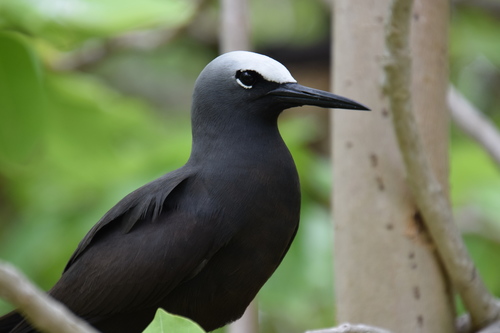 Black Noddy
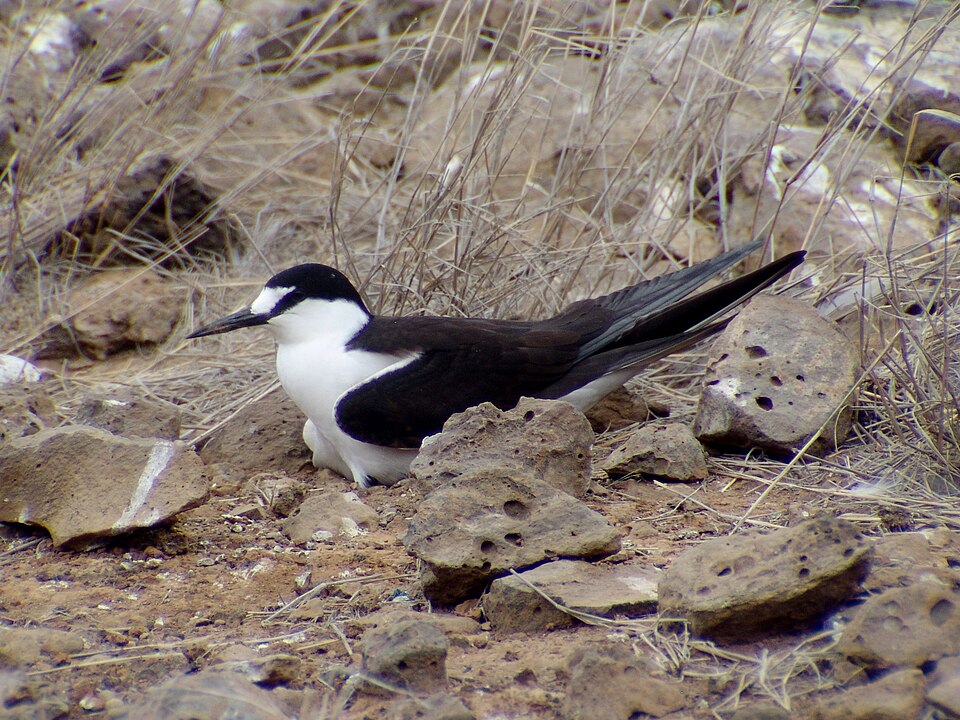 Sterna scura
In breve
Il segno di campo più affidabile per separare il Black Noddy dal Sterna scura è il motivo della testa: il Black Noddy mostra un cappello bianco sorprendente e lore scure, mentre la Sterna scura ha una fronte bianca ma lore e corona nere. In volo, la Sterna scura è più grande, con ali più lunghe e una coda profondamente biforcuta, e mostra un forte contrasto tra le parti superiori nerastre e le parti inferiori bianche. I giovani Sterna scura sono squamosi sopra e molto più scuri sotto rispetto a qualsiasi Black Noddy. Entrambe le specie sono sterne tropicali in bianco e nero, ma la struttura, il motivo della testa e il colore delle parti inferiori sono fondamentali. Fai attenzione al corpo completamente scuro del Black Noddy con un cappello chiaro, rispetto al ventre e alla fronte bianchi della Sterna scura.
Consigli di identificazione
- Il motivo della testa è fondamentale: Il Black Noddy ha un cappello bianco nettamente definito che si estende dal becco sulla corona, con lore scure; la Sterna scura ha solo una fronte bianca, con corona e lore nere. Questo è il segno più affidabile a tutte le età.
- Colore delle lore: Le lore del Black Noddy sono scure, fondendosi con il viso; le lore della Sterna scura sono anch'esse nere, ma il bianco della fronte è più ristretto e non si estende sulla corona.
- Parti inferiori: Il Black Noddy è scuro sotto, corrispondendo alle parti superiori; la Sterna scura ha parti inferiori bianche, in forte contrasto con le parti superiori scure. Questo è ovvio in volo e a riposo per gli adulti.
- Forma della coda: La Sterna scura ha una biforcazione moderatamente profonda nella coda, più pronunciata rispetto alla coda quadrata o solo leggermente intagliata del Black Noddy. Questo è visibile in volo o quando è posata con la coda aperta.
- Forma delle ali e volo: La Sterna scura ha ali più lunghe e angolari e un volo più potente e diretto; le ali del Black Noddy sono più corte e più affusolate, con uno stile di volo più galleggiante e meno forzato.
- Piumaggio giovanile: Il giovane Sterna scura è squamoso sopra (frange chiare su piume scure) e molto più scuro sotto, con solo il ventre inferiore biancastro; i giovani Black Noddy non mostrano questo motivo squamoso o parti inferiori scure così estese.
- Becco e zampe: Entrambi hanno becchi e zampe neri, ma il Black Noddy può mostrare piedi arancioni in alcune sottospecie (di solito non visibili sul campo). La forma del becco è simile: lunga e appuntita.
- Postura posata: Il Black Noddy spesso si posa su rami, rocce o anche strutture umane vicino alle colonie; la Sterna scura è più probabile che venga vista su terreno aperto o sabbia.
- Dimensioni: La Sterna scura è più grande e più robusta, con un'apertura alare più lunga e una corporatura più pesante. In stormi misti o colonie, questo è evidente.
- Vocalizzazioni: La Sterna scura è rumorosa, con richiami forti e ripetuti; il Black Noddy è molto più silenzioso. Se senti un rauco 'wide-a-wake' o 'ker-wack-a-wack', è la Sterna scura.
- Contesto dell'habitat: La Sterna scura è quasi sempre sopra l'oceano aperto o nidifica su isole remote; il Black Noddy può essere visto più vicino alla costa o in baie riparate.
- Contesto dell'avvistamento: Se visto nell'entroterra, specialmente dopo tempeste, è più probabile che sia la Sterna scura, poiché il Black Noddy è meno incline a essere spinto dalla tempesta lontano dalla costa.
- Bordo della coda: La coda della Sterna scura ha bordi esterni bianchi, a volte visibili in volo; la coda del Black Noddy è completamente scura.
- Segni facciali bianchi: Il Black Noddy ha una piccola mezzaluna bianca sotto ogni occhio e una macchia bianca sopra l'occhio, oltre al cappello; la Sterna scura manca di questi segni facciali.
- Rischio di confusione: In scarsa illuminazione o viste distanti, entrambi possono apparire 'bianco e nero', ma concentrati sull'estensione e sulla forma del bianco sulla testa e sul colore delle parti inferiori per avere la migliore possibilità di identificazione corretta.
Taglia
La Sterna scura è notevolmente più grande, misurando 36–45 cm di lunghezza con un'apertura alare di 82–94 cm, rispetto ai 35–37 cm di lunghezza e 66–72 cm di apertura alare del Black Noddy [wikipedia]. La Sterna scura è più robusta e con ali più lunghe, e questa differenza è evidente in confronto diretto o in colonie miste. Il Black Noddy è più leggero (98–144 g) rispetto alla Sterna scura, che è più pesante ma la massa esatta non è fornita. Sul campo, le ali più lunghe e angolari della Sterna scura e la coda biforcuta più profonda enfatizzano ulteriormente il suo vantaggio di dimensioni.
Piumaggio
- Giovani/immaturi: Il giovane Sterna scura è distintivo, essendo grigio-nero sopra e sotto con strette frange chiare sopra (aspetto squamoso) e solo il ventre inferiore biancastro; questo è molto più scuro e più patternato rispetto a qualsiasi Black Noddy, che non mostra parti superiori squamose o così scure sotto [wikipedia].
- Adulti: Il Black Noddy è completamente scuro tranne per un cappello bianco nettamente demarcato (corona) e piccole macchie bianche attorno all'occhio; le lore (tra becco e occhio) sono scure, fondendosi con il viso. La Sterna scura ha una fronte bianca ma corona e lore nere, quindi il bianco non si estende sulla corona come nel Black Noddy. Le parti superiori della Sterna scura sono nere o bruno-nerastre, con parti inferiori bianche e una coda moderatamente biforcuta con bordi bianchi. Le parti inferiori del Black Noddy sono scure come le parti superiori, mancando del ventre e dei fianchi bianchi della Sterna scura. Il becco e le zampe sono neri in entrambi, ma il Black Noddy può mostrare piedi arancioni in alcune sottospecie (di solito non rilevanti sul campo).
Comportamento
Entrambi sono sterne altamente pelagiche, ma la Sterna scura è particolarmente oceanica, rimanendo spesso in mare per anni e raramente tornando a terra se non per nidificare. Il Black Noddy è anch'esso marino ma può essere visto riposare su scogliere o alberi vicino alle colonie. In volo, la Sterna scura è più potente e diretta, con ali più lunghe e angolari e una coda biforcuta più profonda, volando spesso più in alto e più veloce. Il Black Noddy appare più galleggiante e meno forzato, con ali più corte e affusolate e una coda meno biforcuta, più quadrata. Posato, il Black Noddy spesso si siede su rami o rocce, mentre la Sterna scura è più probabile che venga vista su terreno aperto.
Habitat
Entrambe le specie nidificano su isole tropicali, ma la Sterna scura è molto più strettamente pelagica, raramente vista nell'entroterra se non dopo tempeste. Il Black Noddy è anch'esso marino ma può essere trovato più vicino alle coste, sugli alberi o su scogliere vicino ai siti di nidificazione. La Sterna scura è quasi sempre vista sopra l'oceano aperto o su isole remote, mentre il Black Noddy può talvolta essere trovato in aree costiere più riparate. Se visto nell'entroterra, la Sterna scura è di solito spinta dalla tempesta.
Voce
La Sterna scura è molto vocale, con un richiamo forte e penetrante 'wide-a-wake' o 'ker-wack-a-wack', e un allarme aspro 'kvaark' [wikipedia]. Il Black Noddy è molto più silenzioso e meno probabile che venga sentito chiamare in mare o in volo. Se senti un richiamo rauco e ripetuto, è molto più probabile che sia la Sterna scura.