

gaivota-de-capuz-escuro vs famego
Chroicocephalus ridibundus versus Larus canus
Jogue um quiz com gaivota-de-capuz-escuro e famego
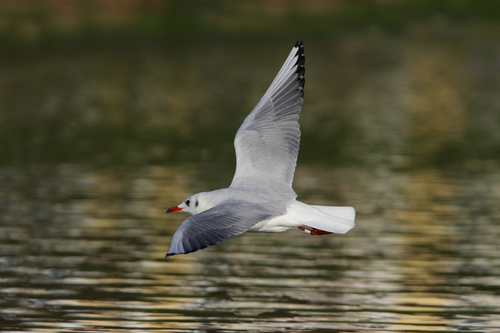 gaivota-de-capuz-escuro
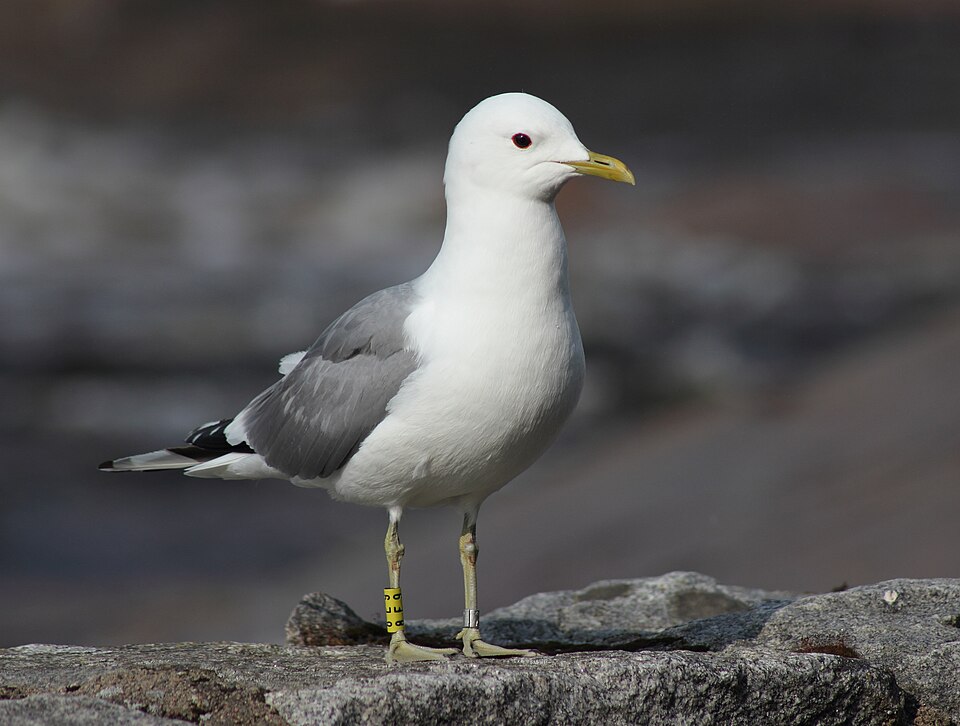 famego
Em resumo
A marca de campo mais confiável entre a gaivota-de-capuz-escuro e o famego, especialmente para imaturos em voo, é o padrão das asas: gaivotas-de-capuz-escuro juvenis e de primeiro inverno mostram uma barra carpálica marrom distinta e uma faixa preta na cauda, enquanto os famegos têm uma asa superior marrom escamosa mais arrumada e não possuem a forte barra carpálica. Os adultos são melhor separados pela cabeça e pelo bico: gaivotas-de-capuz-escuro no verão têm uma capuz marrom-chocolate e bico/pernas vermelhas, enquanto os famegos têm uma cabeça branca (com listras cinzas no inverno) e um bico e pernas amarelo-esverdeados. Em voo, gaivotas-de-capuz-escuro mostram uma borda branca na asa externa e primárias escuras, enquanto os famegos têm pontas de asas pretas com 'espelhos' brancos e uma parte inferior da asa mais uniforme e clara. A estrutura e o tamanho também diferem, com o famego sendo notavelmente mais pesado e robusto. Ambas as espécies se sobrepõem amplamente em alcance e habitat, então a plumagem e a estrutura são fundamentais.
Dicas de identificação
- Padrão de asas juvenil/primeiro inverno: Procure por uma barra carpálica marrom ousada e uma faixa preta na cauda na gaivota-de-capuz-escuro (juvenil/primeiro inverno); o famego não possui a barra carpálica e tem uma asa superior marrom escamosa mais arrumada com um padrão menos contrastante. Esta é a marca mais confiável para imaturos em voo.
- Faixa na cauda: Juvenis/primeiros invernos de gaivota-de-capuz-escuro mostram uma distinta faixa preta na cauda; imaturos de famego têm uma faixa na cauda mais difusa ou ausente.
- Cabeça de adulto no verão: A gaivota-de-capuz-escuro tem um capuz marrom-chocolate (não verdadeiramente preto) de março a julho; o famego sempre tem uma cabeça branca (com listras fracas apenas no inverno).
- Cor do bico e pernas: A gaivota-de-capuz-escuro tem um bico e pernas vermelhas (todas as estações); o famego tem um bico amarelo-esverdeado (sem marcas no verão, com uma fraca faixa escura no inverno) e pernas amarelas (mais opacas no inverno).
- Cabeça de adulto no inverno: A gaivota-de-capuz-escuro perde o capuz, mostrando apenas duas manchas escuras atrás do olho; o famego desenvolve finas listras cinzas sobre a cabeça e a nuca.
- Padrão de voo (adultos): A gaivota-de-capuz-escuro mostra uma borda branca na asa externa (primárias externas) e primárias escuras; o famego mostra pontas de asas pretas com grandes 'espelhos' brancos em p9/p10 e uma parte inferior da asa mais uniforme e clara.
- Padrão da ponta da asa (adultos): A gaivota-de-capuz-escuro tem pontas pretas nas primárias, mas não possui os grandes 'espelhos' brancos do famego.
- Tamanho e estrutura: O famego é notavelmente mais pesado e robusto, com um peito mais profundo e pescoço mais grosso; a gaivota-de-capuz-escuro é menor, mais delicada e mais graciosa. Use isso apenas quando as aves estiverem lado a lado.
- Formato do bico: O famego tem um bico mais curto e mais afilado; o bico da gaivota-de-capuz-escuro é mais fino e mais esbelto.
- Cor das pernas em imaturos: Imaturos de gaivota-de-capuz-escuro têm pernas vermelhas ou marrons opacas; imaturos de famego começam com pernas rosas, tornando-se acinzentadas antes de amarelas.
- Idade: A gaivota-de-capuz-escuro atinge a maturidade em dois anos, então aves de segundo ano podem parecer adultas, mas retêm algumas marcas imaturas; o famego atinge a maturidade em três (ou quatro) anos, então mais classes de idade com plumagens intermediárias são possíveis.
- Habitat: Ambas as espécies se sobrepõem amplamente, mas a gaivota-de-capuz-escuro é mais provável de ser encontrada em áreas interiores e em parques urbanos, enquanto o famego é mais costeiro ou em lagos maiores no inverno. Não é diagnóstico.
- Comportamento: A gaivota-de-capuz-escuro é mais gregária e ousada em torno de pessoas, frequentemente se alimentando em parques e campos; o famego pode ser mais cauteloso.
- Voz: Se ouvido bem, o famego emite um chamado agudo de 'risada'; a gaivota-de-capuz-escuro é mais estridente e nasal, mas os chamados nem sempre são diagnósticos.
- Contexto sazonal: No final do verão e no outono, cuidado com gaivotas-de-capuz-escuro com capuz parcial ou com marcas marrons retidas; verifique a barra carpálica e a faixa na cauda em aves jovens. No inverno, concentre-se no padrão da cabeça e na cor do bico/pernas.
Tamanho
O famego é consistentemente maior e mais pesado que a gaivota-de-capuz-escuro: a massa média de um adulto é de cerca de 386,5 g para o famego contra 280,5 g para a gaivota-de-capuz-escuro [wikidata]. O famego também é mais longo (40–46 cm contra 34–39 cm) e tem uma envergadura ligeiramente mais ampla (100–115 cm contra 100–110 cm), embora haja alguma sobreposição na envergadura. No campo, o famego parece mais robusto e robusto, com um pescoço mais grosso e peito mais profundo, enquanto a gaivota-de-capuz-escuro é mais delicada e graciosa. No entanto, o tamanho sozinho é pouco confiável à distância ou em bandos mistos devido à sobreposição e postura.
Plumagem
- Juvenil/Primeiro inverno: Juvenis de gaivota-de-capuz-escuro mostram uma distinta barra carpálica marrom na asa interna, uma faixa preta na cauda e um padrão marrom manchado no corpo. No final do verão, eles retêm a barra carpálica e a faixa na cauda, mas têm um dorso mais cinza. Juvenis de famego têm partes superiores escamosas preto-marrom e um padrão de asa arrumado e menos contrastante sem a forte barra carpálica; suas pernas são rosas, tornando-se acinzentadas no segundo ano. No primeiro inverno, famegos têm uma cabeça e barriga brancas com finas listras e algum cinza na sela, sem a forte barra carpálica e faixa na cauda da gaivota-de-capuz-escuro.
- Adultos (verão): A gaivota-de-capuz-escuro tem um capuz marrom-chocolate (não verdadeiramente preto), bico e pernas vermelhas, pescoço branco, partes inferiores e cauda, dorso e asas cinza claro, e pontas de asas pretas. Adultos de famego têm uma cabeça branca, manto e dorso cinzas, bico amarelo-esverdeado (sem marcas na época de reprodução) e pernas amarelas. Suas pontas de asas são pretas com grandes 'espelhos' brancos nas primárias externas.
- Adultos (inverno): A gaivota-de-capuz-escuro perde o capuz, mostrando apenas duas manchas escuras atrás do olho, e mantém o bico e pernas vermelhas. O famego desenvolve listras cinzas na cabeça e uma fraca faixa escura no bico, com as pernas tornando-se amarelas mais opacas. Em voo, a gaivota-de-capuz-escuro mostra uma borda branca na asa externa e primárias escuras, enquanto o famego mostra pontas de asas pretas com espelhos brancos e uma parte inferior da asa mais uniforme e clara.
- Idade: A gaivota-de-capuz-escuro atinge a maturidade em dois anos, o famego em três (ou quatro na Kamchatka). Isso afeta a presença de marcas imaturas em bandos.
Comportamento
Ambas as espécies são gregárias, especialmente no inverno, e frequentemente forrageiam em bandos. A gaivota-de-capuz-escuro é altamente social, formando grandes colônias na época de reprodução e grandes dormidas no inverno. Não é pelágica e raramente vista longe do mar. O famego pode reproduzir-se colonialmente ou individualmente e também é onívoro e oportunista, mas pode ser menos ousado em torno de pessoas do que a gaivota-de-capuz-escuro. Ambas as espécies andam e se alimentam no chão; a gaivota-de-capuz-escuro é conhecida por exibições de caminhada com movimento de cabeça.
Habitat
Ambas as espécies se reproduzem e invernam em grande parte do Paleártico, frequentemente compartilhando lagos, pântanos e habitats costeiros. A gaivota-de-capuz-escuro é mais provável de ser encontrada em áreas interiores, reproduzindo-se em leitos de junco, pântanos e em ilhas em lagos, e é abundante em parques urbanos e campos no inverno. O famego se reproduz perto da água ou em pântanos, às vezes em árvores, e inverna ao longo de costas, estuários e grandes corpos de água interiores. A sobreposição de habitat é extensa, então o contexto raramente é diagnóstico.
Voz
O famego emite um grito agudo de 'risada', que é distintivo se ouvido bem. A gaivota-de-capuz-escuro tem um chamado mais estridente e nasal. No entanto, as vocalizações nem sempre são fáceis de separar em bandos mistos e são menos confiáveis do que a plumagem e a estrutura para identificação em campo.