
Gabbiano comune vs Gavina
Chroicocephalus ridibundus contro Larus canus
Fai un quiz con Gabbiano comune e Gavina
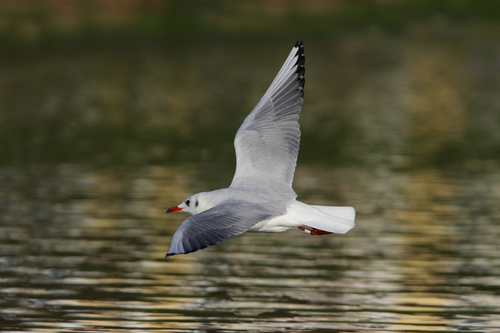 Gabbiano comune
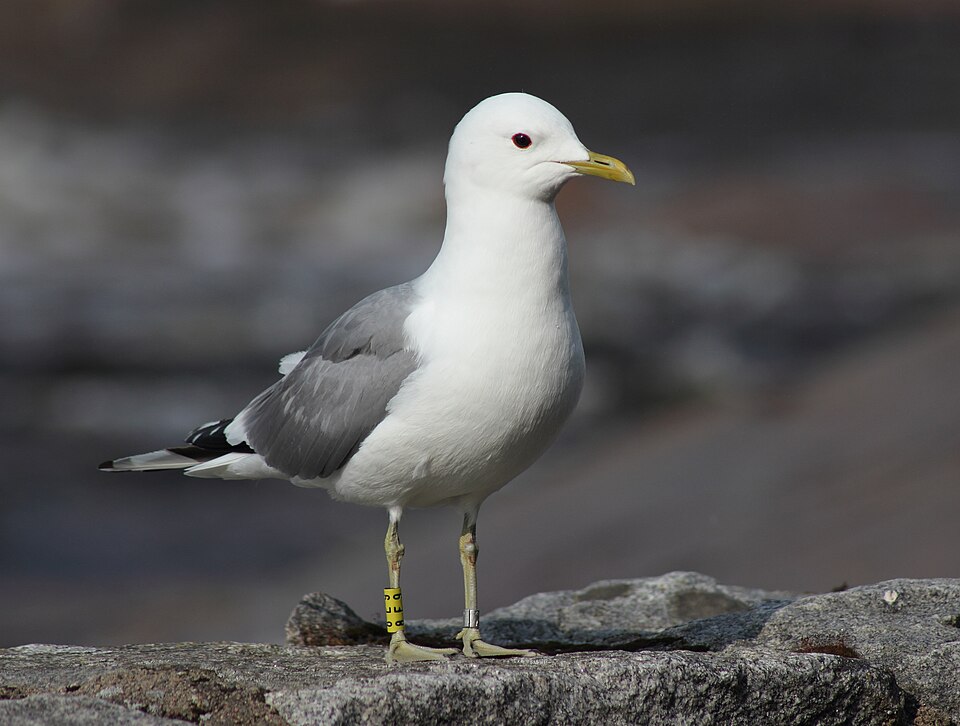 Gavina
In breve
Il segno di campo più affidabile tra Gabbiano comune e Gavina, specialmente per gli immaturi in volo, è il modello delle ali: i gabbiani comuni giovanili e di prima inverno mostrano una distintiva barra carpale marrone e una banda nera sulla coda, mentre le gavine hanno un'ala superiore marrone squamosa e ordinata e mancano della forte barra carpale. Gli adulti si distinguono meglio per testa e becco: i gabbiani comuni in estate hanno un cappuccio marrone cioccolato e becco/gambe rosse, mentre le gavine hanno una testa bianca (con striature grigie in inverno) e un becco e gambe giallo-verdastri. In volo, i gabbiani comuni mostrano un bordo anteriore bianco sull'ala esterna e primarie scure, mentre le gavine hanno punte nere con 'specchi' bianchi e un sottovolo più uniforme e chiaro. Anche la struttura e la dimensione differiscono, con la gavina che è visibilmente più pesante e robusta. Entrambe le specie si sovrappongono ampiamente in distribuzione e habitat, quindi il piumaggio e la struttura sono fondamentali.
Consigli di identificazione
- Modello delle ali giovanili/di prima inverno: Cerca una forte barra carpale marrone e una banda nera sulla coda nel Gabbiano comune (giovanile/di prima inverno); la Gavina manca della barra carpale e ha un'ala superiore marrone squamosa e ordinata con un modello meno contrastante. Questo è il segno più affidabile per gli immaturi in volo.
- Banda della coda: I giovanili/di prima inverno del Gabbiano comune mostrano una distintiva banda nera sulla coda; gli immaturi della Gavina hanno una banda della coda più diffusa o assente.
- Testa estiva degli adulti: Il Gabbiano comune ha un cappuccio marrone cioccolato (non veramente nero) da marzo a luglio; la Gavina ha sempre una testa bianca (con striature deboli solo in inverno).
- Colore del becco e delle gambe: Il Gabbiano comune ha un becco e gambe rossi (in tutte le stagioni); la Gavina ha un becco giallo-verdastra (senza segni in estate, con una debole banda scura in inverno) e gambe gialle (meno vivaci in inverno).
- Testa invernale degli adulti: Il Gabbiano comune perde il cappuccio, mostrando solo due macchie scure dietro l'occhio; la Gavina sviluppa sottili striature grigie sulla testa e sul nape.
- Modello di volo (adulti): Il Gabbiano comune mostra un bordo anteriore bianco sull'ala esterna (primarie esterne) e primarie scure; la Gavina mostra punte nere con grandi 'specchi' bianchi su p9/p10 e un sottovolo più uniforme e chiaro.
- Modello delle punte delle ali (adulti): Il Gabbiano comune ha punte nere sulle primarie ma manca dei grandi 'specchi' bianchi della Gavina.
- Dimensione e struttura: La Gavina è visibilmente più pesante e robusta, con un torace più profondo e un collo più spesso; il Gabbiano comune è più piccolo, più delicato, e più grazioso. Usa questo solo quando gli uccelli sono affiancati.
- Forma del becco: La Gavina ha un becco più corto e più affusolato; il becco del Gabbiano comune è più fine e più snello.
- Colore delle gambe negli immaturi: Gli immaturi del Gabbiano comune hanno gambe di un rosso opaco o marrone; gli immaturi della Gavina iniziano con gambe rosa, che diventano grigie prima di diventare gialle.
- Invecchiamento: Il Gabbiano comune matura in due anni, quindi gli uccelli di secondo anno possono sembrare adulti ma mantenere alcuni segni immaturi; la Gavina matura in tre (o quattro) anni, quindi sono possibili più classi di età con piumaggi intermedi.
- Habitat: Entrambe le specie si sovrappongono ampiamente, ma il Gabbiano comune è più probabile che si trovi nell'entroterra e nei parchi urbani, mentre la Gavina è più costiera o su laghi più grandi in inverno. Non diagnostico.
- Comportamento: Il Gabbiano comune è più gregario e audace intorno alle persone, spesso cercando cibo in parchi e campi; la Gavina può essere più diffidente.
- Voce: Se ascoltata bene, la Gavina emette un richiamo acuto 'ridacchiante'; il Gabbiano comune è più acuto e nasale, ma i richiami non sono sempre diagnostici.
- Contesto stagionale: Alla fine dell'estate e in autunno, fai attenzione ai Gabbiani comuni con cappuccio parziale o con segni marroni mantenuti; controlla la barra carpale e la banda della coda negli uccelli giovani. In inverno, concentrati sul modello della testa e sul colore del becco/gambe.
Taglia
La Gavina è costantemente più grande e pesante del Gabbiano comune: la massa media degli adulti è di circa 386,5 g per la Gavina contro 280,5 g per il Gabbiano comune [wikidata]. La Gavina è anche più lunga (40–46 cm contro 34–39 cm) e ha un'apertura alare leggermente più ampia (100–115 cm contro 100–110 cm), anche se c'è una certa sovrapposizione nell'apertura alare. Sul campo, la Gavina appare più robusta e robusta, con un collo più spesso e un torace più profondo, mentre il Gabbiano comune è più delicato e grazioso. Tuttavia, la dimensione da sola non è affidabile a distanza o in stormi misti a causa della sovrapposizione e della postura.
Piumaggio
- Giovanili/Prima inverno: I giovanili del Gabbiano comune mostrano una distintiva barra carpale marrone sull'ala interna, una banda nera sulla coda e un modello marrone maculato sul corpo. Entro la fine dell'estate, mantengono la barra carpale e la banda della coda ma hanno un dorso più grigio. I giovanili della Gavina hanno parti superiori nere-marroni squamose e un modello di ali ordinato e meno contrastante senza la forte barra carpale; le loro gambe sono rosa, che diventano grigie nel secondo anno. Entro il primo inverno, le Gavine hanno una testa e un ventre bianchi con sottili striature e un po' di grigio sulla sella, mancando della forte barra carpale e della banda della coda del Gabbiano comune.
- Adulti (estate): Il Gabbiano comune ha un cappuccio marrone cioccolato (non veramente nero), becco e gambe rossi, collo bianco, parti inferiori e coda, dorso e ali grigio chiaro, e punte nere. Gli adulti della Gavina hanno una testa bianca, mantello e dorso grigi, becco giallo-verdastra (senza segni nella stagione di nidificazione) e gambe gialle. Le loro punte delle ali sono nere con grandi 'specchi' bianchi sulle primarie esterne.
- Adulti (inverno): Il Gabbiano comune perde il cappuccio, mostrando solo due macchie scure dietro l'occhio, e mantiene il becco e le gambe rossi. La Gavina sviluppa striature grigie sulla testa e una debole banda scura sul becco, con gambe che diventano gialle più opache. In volo, il Gabbiano comune mostra un bordo anteriore bianco sull'ala esterna e primarie scure, mentre la Gavina mostra punte nere con specchi bianchi e un sottovolo più uniforme e chiaro.
- Invecchiamento: Il Gabbiano comune matura in due anni, la Gavina in tre (o quattro in Kamchatka). Questo influisce sulla presenza di segni immaturi negli stormi.
Comportamento
Entrambe le specie sono gregarie, specialmente in inverno, e spesso cercano cibo in stormi. Il Gabbiano comune è altamente sociale, formando grandi colonie nella stagione di nidificazione e grandi dormitori in inverno. Non è pelagico e raramente viene visto lontano in mare. La Gavina può nidificare colonialmente o singolarmente ed è anche onnivora e opportunistica, ma può essere meno audace intorno alle persone rispetto al Gabbiano comune. Entrambe le specie camminano e si nutrono a terra; il Gabbiano comune è noto per le sue esibizioni di camminata a testa dondolante.
Habitat
Entrambe le specie nidificano e svernano in gran parte del Paleartico, spesso condividendo laghi, paludi e habitat costieri. Il Gabbiano comune è più probabile che venga trovato nell'entroterra, nidificando in canneti, paludi e su isole nei laghi, ed è abbondante nei parchi urbani e nei campi in inverno. La Gavina nidifica vicino all'acqua o in paludi, a volte sugli alberi, e sverna lungo le coste, negli estuari e in grandi corpi d'acqua interni. La sovrapposizione degli habitat è estesa, quindi il contesto è raramente diagnostico.
Voce
La Gavina emette un grido acuto 'ridacchiante', che è distintivo se ascoltato bene. Il Gabbiano comune ha un richiamo più acuto e nasale. Tuttavia, le vocalizzazioni non sono sempre facili da separare in stormi misti e sono meno affidabili rispetto al piumaggio e alla struttura per l'identificazione sul campo.