

black-billed nightingale-thrush vs sabiazinho-de-bico-laranja
Catharus gracilirostris versus Catharus aurantiirostris
Jogue um quiz com black-billed nightingale-thrush e sabiazinho-de-bico-laranja
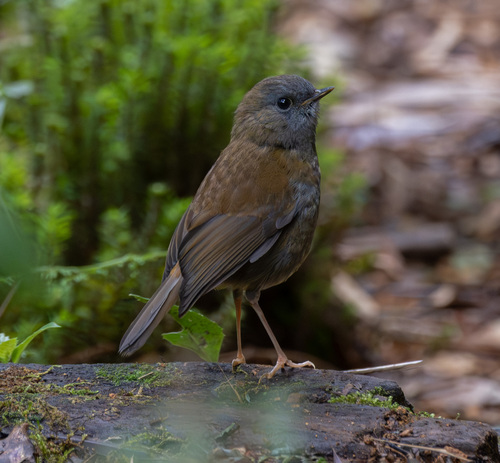 black-billed nightingale-thrush
 sabiazinho-de-bico-laranja
Em resumo
A marca de campo mais confiável entre o sabiazinho-de-bico-preto e o sabiazinho-de-bico-laranja é a cor do bico: o sabiazinho-de-bico-preto sempre apresenta um bico preto, enquanto o do sabiazinho-de-bico-laranja é laranja brilhante. Essa diferença é visível em todas as idades e estações, mesmo em pouca luz. As plumagens de adultos e juvenis também diferem na quantidade de cinza e ruivo, especialmente no rosto e nas partes superiores, mas tenha cuidado, pois algumas subespécies de ambos podem mostrar mais ruivo ou cinza do que as formas típicas. Os juvenis são melhor separados pela cor do bico e pelo padrão das partes inferiores. Ambas as espécies são semelhantes em tamanho e forma, mas o sabiazinho-de-bico-laranja é ligeiramente mais pesado e longo. A sobreposição de habitat é possível na Costa Rica e no oeste do Panamá, mas o sabiazinho-de-bico-preto é restrito a florestas de alta elevação, enquanto o sabiazinho-de-bico-laranja é mais amplamente distribuído e variável em elevação.
Dicas de identificação
- A cor do bico é a marca de campo mais confiável: O sabiazinho-de-bico-preto sempre tem um bico preto; o sabiazinho-de-bico-laranja sempre tem um bico laranja brilhante. Isso funciona para todas as idades e sexos.
- Cor das pernas: O sabiazinho-de-bico-preto tem pernas e pés cinza escuro a pretos; o sabiazinho-de-bico-laranja tem pernas marrons-laranja a vermelho-laranja. Isso é visível em boa luz, mas pode ser sutil na sombra.
- Cor do rosto e da coroa (adultos): O sabiazinho-de-bico-preto apresenta uma coroa e rosto cinza-ardósia, contrastando com as partes superiores oliva-marrom. O sabiazinho-de-bico-laranja tem um rosto cinza-marrom, frequentemente com um fino anel ocular laranja, e uma coroa e nuca tingidas de ruivo.
- Partes superiores: O sabiazinho-de-bico-preto é oliva-marrom acima com pouco ou nenhum ruivo, exceto em algumas subespécies panamenhas (que ainda são menos ruivas que o sabiazinho-de-bico-laranja). O sabiazinho-de-bico-laranja é mais uniformemente oliva-marrom a ruivo acima, com o ruivo mais forte nas asas e na cauda.
- Partes inferiores: O sabiazinho-de-bico-preto tem partes inferiores cinza-ardósia com uma garganta e centro do ventre esbranquiçados, além de uma faixa peitoral olivácea. O sabiazinho-de-bico-laranja é mais claro embaixo, com uma garganta esbranquiçada e partes inferiores cinza pálido que escurecem ligeiramente em direção ao ventre, mas nunca tão escuras ou cinza-ardósia quanto o sabiazinho-de-bico-preto.
- Plumagem juvenil: Os juvenis do sabiazinho-de-bico-preto são cinza esfumaçado com tons oliva e algumas manchas no peito; os juvenis do sabiazinho-de-bico-laranja são marrons com pesadas manchas e marmoreados amarelos e não apresentam o tom cinza esfumaçado. A cor do bico permanece diagnóstica.
- Variação de subespécies: Algumas subespécies do sabiazinho-de-bico-preto (no Panamá) apresentam partes superiores mais marrons-avermelhadas, mas nunca um bico ou pernas laranja brilhante. Algumas subespécies do sabiazinho-de-bico-laranja são mais cinzentas ou menos ruivas, mas sempre têm um bico laranja.
- Tamanho: O sabiazinho-de-bico-laranja é ligeiramente maior e mais pesado, mas isso raramente é útil, a menos que os pássaros estejam lado a lado.
- Habitat e elevação: Se estiver em floresta de alta elevação (acima de 2.200 m) na Costa Rica ou no oeste do Panamá, o sabiazinho-de-bico-preto é muito mais provável. O sabiazinho-de-bico-laranja é mais provável em elevações mais baixas ou em habitats perturbados/de borda.
- Comportamento: Ambos forrageiam no chão em densa cobertura, mas o sabiazinho-de-bico-laranja pode seguir formigas legionárias (raramente observado no sabiazinho-de-bico-preto).
- Anel ocular: O sabiazinho-de-bico-laranja frequentemente apresenta um fino anel ocular laranja, que está ausente ou muito menos distinto no sabiazinho-de-bico-preto.
- Faixa peitoral: O sabiazinho-de-bico-preto apresenta uma faixa peitoral olivácea; o sabiazinho-de-bico-laranja não possui uma faixa distinta, com uma parte inferior cinza pálido mais uniforme.
- Pernas e pés: As pernas do sabiazinho-de-bico-preto são sempre cinza escuro a pretas, enquanto as do sabiazinho-de-bico-laranja são marrons-laranja a vermelho-laranja.
- Cuidado na zona de sobreposição: No oeste do Panamá e na Costa Rica, ambas as espécies podem ocorrer próximas uma da outra, especialmente em zonas de transição. Sempre verifique primeiro a cor do bico e das pernas.
- Estação e sexo: Ambas as espécies são sexualmente monomórficas e não apresentam mudanças sazonais fortes na plumagem, portanto, essas marcas são confiáveis durante todo o ano.
Tamanho
O sabiazinho-de-bico-laranja é ligeiramente maior e mais pesado (27 g em média) que o sabiazinho-de-bico-preto (21 g), e também marginalmente mais longo (15,5–17 cm vs. 15 cm). No campo, essa diferença é sutil e raramente diagnóstica, a menos que os pássaros estejam lado a lado. Ambos são pequenos, esguios e têm proporções semelhantes.
Plumagem
-
Juvenis: Os juvenis do sabiazinho-de-bico-preto são cinza esfumaçado com tons oliva acima, um rosto e garganta escuros, e algumas manchas no peito e na parte superior do ventre. Os juvenis do sabiazinho-de-bico-laranja são principalmente marrons com pesadas manchas e marmoreados amarelos, sem os tons cinza esfumaçados do sabiazinho-de-bico-preto. A cor do bico já é distintiva nessa idade (preto vs. laranja).
-
Adultos: Os adultos do sabiazinho-de-bico-preto têm uma coroa e rosto cinza-ardósia, partes superiores oliva-marrom, asas e cauda, e uma faixa olivácea escura no peito. As partes inferiores são principalmente cinza-ardósia com uma garganta e centro do ventre esbranquiçados. Os adultos do sabiazinho-de-bico-laranja são oliva-marrom com um tom ruivo (especialmente na coroa, nuca, costas, asas e cauda), um rosto cinza-marrom com um fino anel ocular laranja, e partes inferiores cinza pálido que escurecem do pescoço para baixo. Subespécies de ambos podem mostrar mais ou menos ruivo ou cinza, mas o sabiazinho-de-bico-preto nunca apresenta um bico ou pernas laranja fortes.
-
Contraste chave: A cor do bico é sempre diagnóstica. As partes inferiores do sabiazinho-de-bico-laranja são mais claras e menos cinzas do que as do sabiazinho-de-bico-preto, e suas partes superiores são mais ruivas, especialmente nas asas e na cauda.
Comportamento
Ambas as espécies forrageiam no chão ou perto dele em vegetação densa, virando a litter de folhas em busca de insetos e outros invertebrados. O sabiazinho-de-bico-laranja é conhecido por seguir enxames de formigas legionárias em algumas áreas (por exemplo, Trinidad), um comportamento não observado no sabiazinho-de-bico-preto. Ambos constroem ninhos volumosos em arbustos densos ou árvores baixas. O comportamento de voo e forrageio é semelhante, com ambos tendendo a permanecer baixos e dentro da cobertura.
Habitat
O sabiazinho-de-bico-preto é restrito a florestas montanas de alta elevação, florestas elfinas e paramo na Costa Rica e no oeste do Panamá, tipicamente de 1.800 m até acima da linha de árvores (frequentemente acima de 2.200 m). Pode ser encontrado em pastagens e jardins próximos à floresta nessas elevações. O sabiazinho-de-bico-laranja tem uma faixa muito mais ampla, do norte do México através da América Central até o norte da América do Sul, e ocorre em uma faixa mais ampla de elevações (incluindo planícies e encostas). Na Costa Rica e no oeste do Panamá, o sabiazinho-de-bico-laranja pode se sobrepor ao sabiazinho-de-bico-preto, mas geralmente é encontrado em elevações mais baixas e em habitats mais variados, incluindo florestas secundárias e bordas.
black-billed nightingale-thrush · sabiazinho-de-bico-laranja · Minhas aves difíceis