

Black-billed Nightingale-Thrush vs Orange-billed Nightingale-Thrush
Catharus gracilirostris contro Catharus aurantiirostris
Fai un quiz con Black-billed Nightingale-Thrush e Orange-billed Nightingale-Thrush
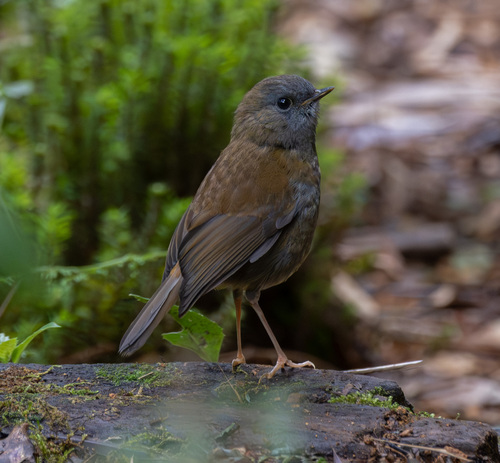 Black-billed Nightingale-Thrush
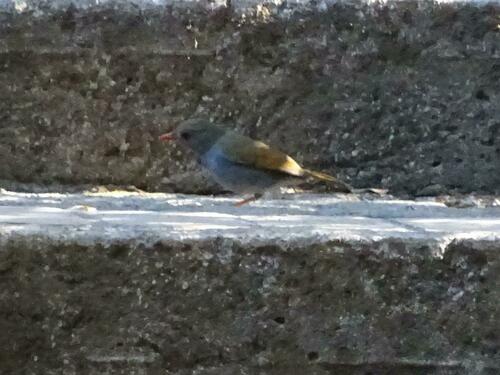 Orange-billed Nightingale-Thrush
In breve
Il segno di campo più affidabile tra Black-billed Nightingale-Thrush e Orange-billed Nightingale-Thrush è il colore del becco: il Black-billed mostra sempre un becco nero, mentre l'Orange-billed ha un becco di un brillante arancione. Questa differenza è visibile in tutte le età e stagioni, anche in scarsa illuminazione. Le piume adulte e giovanili differiscono anche nella quantità di grigio e ruggine, specialmente sul viso e sulle parti superiori, ma fai attenzione che alcune sottospecie di entrambi possono mostrare più ruggine o grigio rispetto alle forme tipiche. I giovani sono meglio separati dal colore del becco e dal modello delle parti inferiori. Entrambe le specie sono simili in dimensioni e forma, ma l'Orange-billed è leggermente più pesante e lungo. È possibile un sovrapposizione degli habitat in Costa Rica e nel Panama occidentale, ma il Black-billed è limitato a foreste ad alta quota, mentre l'Orange-billed è più diffuso e variabile in elevazione.
Consigli di identificazione
- Il colore del becco è il segno di campo più affidabile: Il Black-billed Nightingale-Thrush ha sempre un becco nero; l'Orange-billed ha sempre un becco di un brillante arancione. Questo vale per tutte le età e sessi.
- Colore delle gambe: Il Black-billed ha gambe e piedi di un grigio scuro fino al nero; l'Orange-billed ha gambe di un arancione-bruno fino al rosso-arancione. Questo è visibile in buona luce ma può essere sottile in ombra.
- Colore del viso e della corona (adulti): Il Black-billed mostra una corona e un viso grigio ardesia, in contrasto con le parti superiori di un marrone oliva. L'Orange-billed ha un viso marrone-grigiastro, spesso con un sottile anello oculare arancione, e una corona e nuca con sfumature ruggine.
- Parti superiori: Il Black-billed è marrone oliva sopra con poco o nessun ruggine tranne che in alcune sottospecie panamensi (che sono comunque meno ruggine rispetto all'Orange-billed). L'Orange-billed è più uniformemente marrone oliva a ruggine sopra, con il ruggine più forte sulle ali e sulla coda.
- Parti inferiori: Il Black-billed ha parti inferiori grigio ardesia con una gola e un centro del ventre bianchi, più una banda petto olivacea. L'Orange-billed è più chiaro sotto, con una gola bianca e parti inferiori grigio pallido che scuriscono leggermente verso il ventre, ma mai così scure o grigio ardesia come il Black-billed.
- Piumaggio giovanile: I giovani Black-billed sono grigio scuro con toni oliva e alcune macchie sul petto; i giovani Orange-billed sono marroni con pesanti macchie color crema e mancano del tono grigio scuro. Il colore del becco rimane diagnostico.
- Variazione delle sottospecie: Alcune sottospecie di Black-billed (in Panama) mostrano parti superiori di un marrone rossastro, ma mai un becco o gambe di un brillante arancione. Alcune sottospecie di Orange-billed sono più grigie o meno ruggine, ma hanno sempre un becco arancione.
- Dimensioni: L'Orange-billed è leggermente più grande e pesante, ma questo è raramente utile a meno che gli uccelli non siano affiancati.
- Habitat e elevazione: Se in alta foresta (sopra i 2.200 m) in Costa Rica o nel Panama occidentale, il Black-billed è molto più probabile. L'Orange-billed è più probabile a basse elevazioni o in habitat disturbati/lunghi.
- Comportamento: Entrambi si nutrono a terra in copertura densa, ma l'Orange-billed può seguire le formiche soldato (raro per il Black-billed).
- Anello oculare: L'Orange-billed mostra spesso un sottile anello oculare arancione, che è assente o molto meno distintivo nel Black-billed.
- Banda petto: Il Black-billed mostra una banda petto olivacea; l'Orange-billed manca di una banda distintiva, con una parte inferiore grigio pallido più uniforme.
- Gambe e piedi: Le gambe del Black-billed sono sempre di un grigio scuro fino al nero, mentre quelle dell'Orange-billed sono di un arancione-bruno fino al rosso-arancione.
- Cautela nella zona di sovrapposizione: Nel Panama occidentale e in Costa Rica, entrambe le specie possono verificarsi vicine l'una all'altra, specialmente nelle zone di transizione. Controlla sempre prima il colore del becco e delle gambe.
- Stagione e sesso: Entrambe le specie sono sessualmente monomorfiche e non mostrano forti cambiamenti stagionali nel piumaggio, quindi questi segni sono affidabili tutto l'anno.
Taglia
L'Orange-billed Nightingale-Thrush è leggermente più grande e pesante (27 g in media) rispetto al Black-billed (21 g), ed è anche marginalmente più lungo (15.5–17 cm vs. 15 cm). Sul campo, questa differenza è sottile e raramente diagnostica a meno che gli uccelli non siano affiancati. Entrambi sono tordi piccoli e snelli con proporzioni simili.
Piumaggio
-
Giovani: I giovani Black-billed sono grigio scuro con toni oliva sopra, un viso e una gola scuri, e alcune macchie sul petto e sull'addome superiore. I giovani Orange-billed sono per lo più marroni con pesanti macchie color crema e maculature, mancando dei toni grigio scuro del Black-billed. Il colore del becco è già distintivo a questa età (nero vs. arancione).
-
Adulti: Gli adulti Black-billed hanno una corona e un viso grigio ardesia, parti superiori marrone oliva, ali e coda, e una banda olivacea scura attraverso il petto. Le parti inferiori sono per lo più grigio ardesia con una gola e un centro del ventre bianchi. Gli adulti Orange-billed sono marrone oliva con una sfumatura ruggine (specialmente su corona, nuca, schiena, ali e coda), un viso marrone-grigiastro con un sottile anello oculare arancione, e parti inferiori grigio pallido che scuriscono dalla gola verso il basso. Le sottospecie di entrambi possono mostrare più o meno ruggine o grigio, ma il Black-billed non mostra mai un becco o gambe di un forte arancione.
-
Contrasto chiave: Il colore del becco è sempre diagnostico. Le parti inferiori dell'Orange-billed sono più chiare e meno grigie rispetto a quelle del Black-billed, e le sue parti superiori sono più ruggine, specialmente sulle ali e sulla coda.
Comportamento
Entrambe le specie si nutrono a terra o vicino al suolo in vegetazione densa, ribaltando la lettiera per insetti e altri invertebrati. L'Orange-billed Nightingale-Thrush è noto per seguire le colonne di formiche soldato in alcune aree (ad es., Trinidad), un comportamento non notato per il Black-billed. Entrambi costruiscono nidi a coppa voluminosi in arbusti densi o alberi bassi. Il comportamento di volo e di foraggiamento è simile, con entrambi che tendono a rimanere bassi e all'interno della copertura.
Habitat
Il Black-billed Nightingale-Thrush è limitato a foreste montane ad alta quota, foreste elfin e paramo in Costa Rica e nel Panama occidentale, tipicamente da 1.800 m fino sopra la linea degli alberi (spesso sopra i 2.200 m). Può essere trovato in pascoli e giardini vicino alla foresta a queste elevazioni. L'Orange-billed Nightingale-Thrush ha un'area molto più ampia, dal Messico settentrionale attraverso l'America Centrale fino al nord dell'America del Sud, e si verifica a un'ampia gamma di elevazioni (inclusi pianure e pendii). In Costa Rica e nel Panama occidentale, l'Orange-billed può sovrapporsi con il Black-billed, ma generalmente si trova a basse elevazioni e in habitat più vari, inclusa la foresta secondaria e i bordi.
Black-billed Nightingale-Thrush · Orange-billed Nightingale-Thrush · I miei uccelli difficili