

calhandra-bastarda vs calhandra-ruiva
Melanocorypha bimaculata versus Alauda leucoptera
Jogue um quiz com calhandra-bastarda e calhandra-ruiva
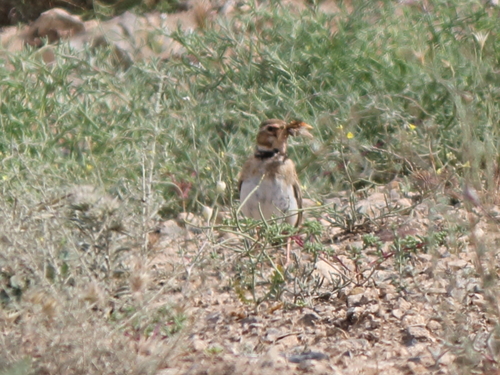 calhandra-bastarda
 calhandra-ruiva
Em resumo
A maneira mais confiável de separar a calhandra-bastarda da calhandra-ruiva é pelos seus padrões de asas contrastantes em voo: a calhandra-ruiva exibe manchas brancas ousadas nas asas e penas de voo externas pretas, enquanto a calhandra-bastarda mostra asas inferiores cinza-marrom lisas, sem branco. A calhandra-bastarda também tem uma cauda curta com uma ponta branca, mas não possui bordas brancas na cauda, enquanto o padrão da cauda da calhandra-ruiva é menos enfatizado, mas suas asas são inconfundíveis. Estruturalmente, a calhandra-bastarda é mais pesada e tem asas mais largas, enquanto a calhandra-ruiva é ligeiramente menor e mais esbelta. Ambas as espécies ocorrem em estepes abertas, mas suas distribuições se sobrepõem principalmente na Ásia Central, e a calhandra-ruiva é mais migratória. A voz não é um separador forte em campo, mas o canto da calhandra-ruiva é mais melodioso.
Dicas de identificação
- O padrão das asas em voo é a marca de campo mais confiável: a calhandra-ruiva sempre mostra manchas brancas ousadas nas asas com penas de voo externas pretas e castanhas em outros lugares; a calhandra-bastarda tem asas inferiores cinza-marrom lisas, sem branco. Isso funciona para todas as idades e ambos os sexos.
- Padrão da cauda: a calhandra-bastarda tem uma cauda curta com uma ponta branca, mas sem bordas brancas. O padrão da cauda da calhandra-ruiva é menos distintivo, mas a falta de bordas brancas na calhandra-bastarda pode ajudar a descartar espécies semelhantes.
- Volume e estrutura: a calhandra-bastarda é mais pesada e tem asas mais largas, parecendo mais robusta no chão e em voo. A calhandra-ruiva é ligeiramente menor, mais leve e mais esbelta.
- Padrão da cabeça: o macho adulto da calhandra-ruiva tem uma coroa castanha, mas isso é sutil e nem sempre visível. Ambas as espécies têm partes superiores estriadas e partes inferiores pálidas; não confie apenas em marcas sutis na cabeça.
- Aves empoleiradas são mais difíceis: se a ave não estiver em voo, procure o volume geral (calhandra-bastarda) em comparação com uma postura mais esbelta e ereta (calhandra-ruiva). O padrão das asas pode ser parcialmente visível se as asas estiverem caídas ou abertas.
- Comportamento em bandos: no inverno, a calhandra-ruiva frequentemente forma grandes bandos móveis, enquanto a calhandra-bastarda é menos propensa a fazê-lo.
- Distribuição e estação: se estiver na Turquia ocidental ou mais a oeste, a calhandra-bastarda é mais provável; no Cazaquistão, sudoeste da Rússia, ou como um vagante de inverno na Ucrânia/Irã, a calhandra-ruiva é possível.
- Sobreposição de habitat: ambas ocorrem em estepes abertas, então o habitat não é diagnóstico onde as distribuições se sobrepõem.
- Bico e aparência geral: nenhuma diferença forte foi notada, mas a calhandra-bastarda pode parecer ter um bico mais robusto devido ao volume geral.
- Voz: use apenas como último recurso; o canto da calhandra-ruiva é mais melodioso, mas a separação em campo pela voz é difícil.
- Aves juvenis/imaturas: a diferença no padrão das asas se mantém para todas as idades; até mesmo jovens calhandras-ruivas mostram os painéis brancos nas asas.
- Confusão com outras calhandras: ambas as espécies podem ser confundidas com a calhandra-real ou outras Melanocorypha, mas a asa branca da calhandra-ruiva é única na região.
- Estilo de voo: a calhandra-ruiva frequentemente mostra um voo mais saltitante e ágil, com as manchas brancas das asas piscando; o voo da calhandra-bastarda é mais direto e menos chamativo.
- Comprimento da cauda: a cauda da calhandra-bastarda é curta e arredondada; a cauda da calhandra-ruiva não é especialmente diagnóstica.
- Quando em dúvida, espere por vistas de voo: se você não conseguir ver o padrão das asas, tente assustar a ave gentilmente ou espere que ela decole—isso geralmente resolverá a identificação.
Tamanho
A calhandra-bastarda é a mais pesada das duas, com uma massa média de adulto de 54 g [wikidata], em comparação com a massa típica da calhandra-ruiva de cerca de 44 g [wikipedia]. A calhandra-ruiva é descrita como tendo 17–19 cm de comprimento com uma envergadura de 35 cm, tornando-a robusta, mas ainda mais leve que a calhandra-bastarda. Em campo, a calhandra-bastarda pode parecer mais volumosa e ter asas mais largas, enquanto a calhandra-ruiva é mais esbelta e ágil. O tamanho sozinho nem sempre é diagnóstico, mas em comparação direta, a calhandra-bastarda é a ave maior e mais pesada.
Plumagem
A diferença mais diagnóstica está no padrão das asas visível em voo. A calhandra-ruiva de todas as idades mostra manchas brancas marcantes nas asas: as penas de voo internas são brancas, as externas são pretas e o restante da asa é castanho, criando um contraste ousado e inconfundível [wikipedia]. Isso é visível mesmo em imaturos e é a marca de campo chave. A calhandra-bastarda, por outro lado, tem asas curtas e largas que são cinza-marrom lisas por baixo, sem manchas brancas ou contraste forte. Sua cauda é curta com uma ponta branca, mas sem bordas brancas, o que a separa de alguns parentes, mas não da calhandra-ruiva. No chão, a calhandra-ruiva tem uma coroa castanha (macho adulto), partes superiores cinza estriadas e partes inferiores esbranquiçadas; a calhandra-bastarda é geralmente mais simples. Essas diferenças de plumagem são mais evidentes em voo e menos quando empoleiradas, mas o padrão das asas é sempre o melhor separador.
Comportamento
A calhandra-ruiva é gregária no inverno, frequentemente vista em bandos, e é parcialmente migratória, movendo-se consideráveis distâncias fora da estação de reprodução. A calhandra-bastarda é menos migratória e tende a ser mais localizada. Em voo, o padrão marcante das asas da calhandra-ruiva é geralmente visível enquanto ela voa com movimentos rápidos e saltitantes. O voo da calhandra-bastarda é mais direto e menos chamativo devido às suas asas simples. Ambas as espécies forrageiam no chão em estepes abertas, mas a calhandra-ruiva pode ser mais inquieta e móvel, especialmente no inverno.
Habitat
Ambas as espécies preferem estepes e planícies secas e abertas, frequentemente com vegetação esparsa. A calhandra-bastarda é encontrada da Turquia para o leste até a Ásia Central, enquanto a calhandra-ruiva se reproduz do sudoeste da Rússia através do Cazaquistão até a China ocidental e inverna mais ao sudoeste. Suas distribuições se sobrepõem na Ásia Central, mas a calhandra-ruiva é mais provável de ser encontrada como migrante ou visitante de inverno no sul da Ucrânia e no norte do Irã. O habitat sozinho não é um separador forte onde ambas ocorrem, mas a calhandra-ruiva pode ser encontrada em bandos maiores e mais móveis fora da estação de reprodução.
Voz
O canto da calhandra-ruiva é descrito como uma versão mais melodiosa do canto da laverca, mas há poucos detalhes sobre o canto da calhandra-bastarda nas notas fornecidas. A voz não é um separador confiável em campo, especialmente para não especialistas, e não deve ser confiada a menos que o canto seja claramente ouvido e comparado.