

Calandra asiatica vs Calandra siberiana
Melanocorypha bimaculata contro Alauda leucoptera
Fai un quiz con Calandra asiatica e Calandra siberiana
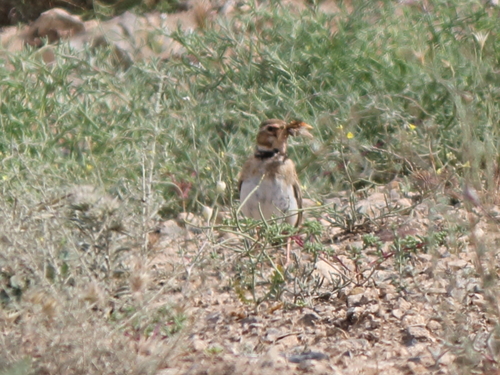 Calandra asiatica
 Calandra siberiana
In breve
Il modo più affidabile per separare la Calandra asiatica dalla Calandra siberiana è attraverso i loro modelli di ali contrastanti in volo: la Calandra siberiana mostra audaci macchie bianche sulle ali e piume nere esterne, mentre la Calandra asiatica presenta ali inferiori grigio-marroni senza bianco. La Calandra asiatica ha anche una coda corta con una punta bianca ma priva di bordi bianchi, mentre il modello di coda della Calandra siberiana è meno enfatizzato ma le sue ali sono inconfondibili. Strutturalmente, la Calandra asiatica è più pesante e ha ali più larghe, mentre la Calandra siberiana è leggermente più piccola e più snella. Entrambe le specie si trovano in steppa aperta, ma i loro areali si sovrappongono principalmente in Asia Centrale, e la Calandra siberiana è più migratoria. La voce non è un forte separatore sul campo, ma il canto della Calandra siberiana è più melodioso.
Consigli di identificazione
- Il modello delle ali in volo è il segno di campo più affidabile: La Calandra siberiana mostra sempre audaci macchie bianche sulle ali con piume nere esterne e castane altrove; la Calandra asiatica ha ali inferiori grigio-marroni senza bianco. Questo vale per tutte le età e entrambi i sessi.
- Modello della coda: La Calandra asiatica ha una coda corta con una punta bianca ma senza bordi bianchi. Il modello della coda della Calandra siberiana è meno distintivo, ma la mancanza di bordi bianchi sulla Calandra asiatica può aiutare a escludere specie simili.
- Massa e struttura: La Calandra asiatica è più pesante e ha ali più larghe, apparendo più robusta a terra e in volo. La Calandra siberiana è leggermente più piccola, più leggera e più snella.
- Modello della testa: Il maschio adulto della Calandra siberiana ha una corona castana, ma questo è sottile e non sempre visibile. Entrambe le specie hanno parti superiori striate e parti inferiori chiare; non fare affidamento solo su marcature sottili della testa.
- Gli uccelli in percha sono più difficili: Se l'uccello non è in volo, cerca la massa complessiva (Calandra asiatica) rispetto a una postura più snella e eretta (Calandra siberiana). Il modello delle ali può essere parzialmente visibile se le ali sono abbassate o aperte.
- Comportamento in gruppo: In inverno, la Calandra siberiana forma spesso grandi gruppi mobili, mentre la Calandra asiatica è meno propensa a farlo.
- Areale e stagione: Se ci si trova nella Turchia occidentale o più a ovest, è più probabile vedere la Calandra asiatica; in Kazakistan, nella Russia sud-occidentale, o come vagante in inverno in Ucraina/Iran, è possibile avvistare la Calandra siberiana.
- Sovrapposizione dell'habitat: Entrambe si trovano in steppa aperta, quindi l'habitat non è diagnostico dove gli areali si sovrappongono.
- Becco e jizz: Non sono state notate differenze significative, ma la Calandra asiatica può apparire con un becco più pesante a causa della massa complessiva.
- Voce: Usare solo come ultima risorsa; il canto della Calandra siberiana è più melodioso, ma la separazione sul campo per voce è difficile.
- Uccelli giovani/imaturi: La differenza nel modello delle ali vale per tutte le età; anche i giovani della Calandra siberiana mostrano i pannelli bianchi delle ali.
- Confusione con altre calandre: Entrambe le specie possono essere confuse con la Calandra, o altre Melanocorypha, ma l'ala bianca della Calandra siberiana è unica nella regione.
- Stile di volo: La Calandra siberiana mostra spesso un volo più saltellante e agile, con le macchie bianche delle ali che lampeggiano; il volo della Calandra asiatica è più diretto e meno appariscente.
- Lunghezza della coda: La coda della Calandra asiatica è corta e smussata; la coda della Calandra siberiana non è particolarmente diagnostica.
- In caso di dubbio, aspettare le viste in volo: Se non riesci a vedere il modello delle ali, prova a spaventare delicatamente l'uccello o aspetta che decolli—questo risolverà solitamente l'identificazione.
Taglia
La Calandra asiatica è la più pesante delle due, con una massa media adulta di 54 g [wikidata], rispetto alla massa tipica della Calandra siberiana di circa 44 g [wikipedia]. La Calandra siberiana è descritta come lunga 17–19 cm con un'apertura alare di 35 cm, rendendola robusta ma comunque più leggera della Calandra asiatica. Sul campo, la Calandra asiatica può apparire più robusta e con ali più larghe, mentre la Calandra siberiana è più snella e agile. La dimensione da sola non è sempre diagnostica, ma in un confronto diretto, la Calandra asiatica è l'uccello più grande e pesante.
Piumaggio
La differenza più diagnostica è nel modello delle ali visibile in volo. La Calandra siberiana di tutte le età mostra audaci macchie bianche sulle ali: le piume di volo interne sono bianche, quelle esterne nere, e il resto dell'ala è castano, creando un contrasto audace e inconfondibile [wikipedia]. Questo è visibile anche negli immaturi ed è il segno di campo chiave. La Calandra asiatica, al contrario, ha ali corte e larghe che sono grigio-marroni sotto, prive di macchie bianche o di forte contrasto. La sua coda è corta con una punta bianca ma senza bordi bianchi, il che la separa da alcuni parenti ma non dalla Calandra siberiana. A terra, la Calandra siberiana ha una corona castana (maschio adulto), parti superiori grigie striate scure e parti inferiori biancastre; la Calandra asiatica è generalmente più semplice. Queste differenze nel piumaggio sono più evidenti in volo e meno quando sono in percha, ma il modello delle ali è sempre il miglior separatore.
Comportamento
La Calandra siberiana è gregaria in inverno, spesso vista in gruppi, ed è parzialmente migratoria, spostandosi su notevoli distanze al di fuori della stagione riproduttiva. La Calandra asiatica è meno migratoria e tende ad essere più localizzata. In volo, il modello di ali sorprendente della Calandra siberiana è solitamente visibile mentre vola con movimenti rapidi e saltellanti. Il volo della Calandra asiatica è più diretto e meno appariscente a causa delle sue ali semplici. Entrambe le specie si nutrono a terra in steppa aperta, ma la Calandra siberiana può essere più irrequieta e mobile, specialmente in inverno.
Habitat
Entrambe le specie preferiscono steppa e pianure asciutte e aperte, spesso con vegetazione rada. La Calandra asiatica si trova dalla Turchia verso est fino all'Asia Centrale, mentre la Calandra siberiana nidifica dalla Russia sud-occidentale attraverso il Kazakistan fino alla Cina occidentale e sverna più a sud-ovest. I loro areali si sovrappongono in Asia centrale, ma la Calandra siberiana è più probabile da incontrare come migrante o visitatore invernale nell'Ucraina meridionale e nel nord dell'Iran. L'habitat da solo non è un forte separatore dove entrambe si trovano, ma la Calandra siberiana può essere trovata in gruppi più grandi e mobili al di fuori della stagione riproduttiva.
Voce
Il canto della Calandra siberiana è descritto come una versione più melodiosa del canto dell'Allodola, ma ci sono pochi dettagli sul canto della Calandra asiatica nelle note fornite. La voce non è un separatore affidabile sul campo, specialmente per i non esperti, e non dovrebbe essere utilizzata a meno che il canto non sia chiaramente udito e confrontato.
Calandra asiatica · Calandra siberiana · I miei uccelli difficili