

bicknell's thrush vs tordo-dos-bosques
Catharus bicknelli versus Hylocichla mustelina
Jogue um quiz com bicknell's thrush e tordo-dos-bosques
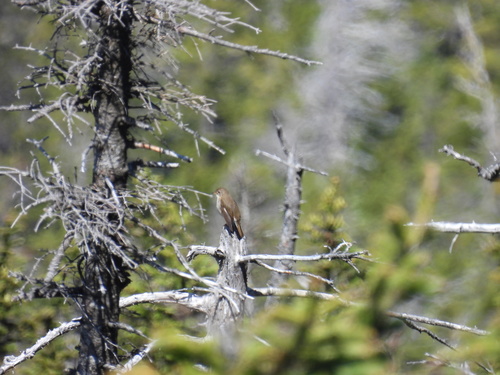 bicknell's thrush
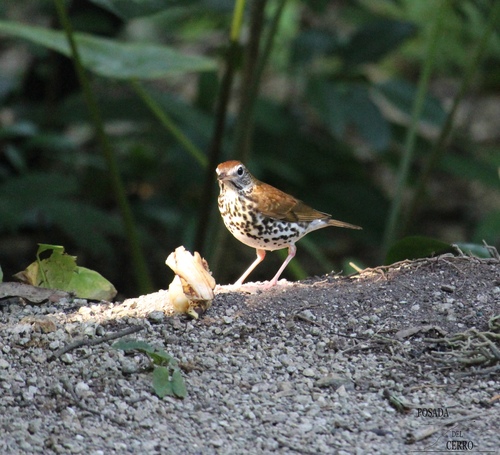 tordo-dos-bosques
Em resumo
A maneira mais confiável de separar o bicknell's thrush do tordo-dos-bosques é pelo tamanho geral e pela ousadia das manchas no peito: o tordo-dos-bosques é distintamente maior e apresenta manchas escuras pesadas e bem definidas em um peito branco, enquanto o bicknell's thrush é menor e mais esbelto, com um peito mais suave e lavado em buff e manchas mais finas e menos contrastantes. Tordos-dos-bosques juvenis também mostram manchas extras nas costas e nas coberturas das asas, uma característica que nunca está presente nos bicknell's. Estruturalmente, o tordo-dos-bosques tem uma construção mais robusta e um bico mais forte. O habitat também pode ajudar: o bicknell's é um especialista em altas elevações, enquanto o tordo-dos-bosques é encontrado em florestas de folhas largas em baixas altitudes e médias elevações. A voz e o comportamento reforçam ainda mais a distinção, mas o tamanho e o padrão do peito são as marcas de campo mais imediatas.
Dicas de identificação
- O tamanho é uma pista importante: O tordo-dos-bosques é muito maior e mais robusto do que o bicknell's thrush. Se o pássaro parecer tão grande quanto um tordo-americano, é um tordo-dos-bosques; se for visivelmente menor e mais esbelto, considere o bicknell's.
- Manchas no peito: O tordo-dos-bosques apresenta manchas escuras, ousadas e bem definidas em um peito branco brilhante, lados e flancos. O bicknell's thrush tem um peito lavado em buff, off-white, com manchas escuras finas, borradas e menos contrastantes que desvanecem em direção aos lados.
- Marcas juvenis: Tordos-dos-bosques juvenis têm manchas extras nas costas, pescoço e coberturas das asas—nunca vistas nos bicknell's. Isso é diagnóstico no final do verão e início do outono.
- Cor da coroa e nuca: O tordo-dos-bosques tem uma coroa e nuca de um rico marrom canela, contrastando com as costas de um marrom mais opaco. O bicknell's é mais uniformemente oliva-marrom acima, com apenas um sutil tom de castanho na cauda.
- Padrão facial: O tordo-dos-bosques tem um anel ocular branco ousado e um rosto simples. O bicknell's tem um anel ocular cinza fraco e bochechas acinzentadas, mas isso é sutil e muitas vezes difícil de ver.
- Estrutura do bico: O bico do tordo-dos-bosques é mais robusto e forte. O bicknell's tem um bico mais esbelto, com a mandíbula inferior principalmente amarela, exceto pela ponta escura.
- Cor das pernas: Ambos têm pernas rosas, então isso não é útil para separação.
- Contexto do habitat: Se você estiver em uma floresta de coníferas anãs em alta elevação no Nordeste, o bicknell's é possível. Em florestas de folhas largas em baixas altitudes ou médias elevações, especialmente com rica camada de folhas, o tordo-dos-bosques é esperado.
- Comportamento: O tordo-dos-bosques é frequentemente visto pulando no chão, virando folhas e forrageando em áreas abertas. O bicknell's é mais secreto e tende a ficar em coberturas densas.
- Impressão de voo: O tordo-dos-bosques parece pesado e direto em voo, enquanto o bicknell's é mais ágil e esbelto.
- Vocalizações: Ambos têm canções semelhantes a flautas, mas a canção do tordo-dos-bosques é mais rica e melodiosa. A canção sozinha não é sempre diagnóstica sem experiência.
- Distribuição: O bicknell's é muito localizado e raro, reproduzindo-se apenas nas altas montanhas do Nordeste. O tordo-dos-bosques é amplamente distribuído no Leste.
- Estação: O bicknell's está presente apenas durante a estação de reprodução em sua área limitada. O tordo-dos-bosques é um migrante e reprodutor comum em grande parte do leste da América do Norte.
- Simpatria: As duas espécies raramente se sobrepõem em habitat de reprodução; a confusão é mais provável durante a migração ou no inverno, mas mesmo assim, o tamanho e o padrão do peito são confiáveis.
- Armadilhas: Não confie na cor das pernas ou na tonalidade geral de marrom; concentre-se no tamanho, nas manchas do peito e no habitat para a separação mais consistente.
Tamanho
O tordo-dos-bosques é significativamente maior do que o bicknell's thrush. O tordo-dos-bosques mede 18–21,5 cm de comprimento e pesa 48–72 g, com uma envergadura de 30–40 cm. Em contraste, o bicknell's thrush mede 17–17,5 cm de comprimento e pesa 26–30 g. Mesmo à distância, o tordo-dos-bosques parece mais robusto e forte, enquanto o bicknell's é menor e mais esbelto. Essa diferença de tamanho é uma das mais consistentes e confiáveis no campo, especialmente quando ambas as espécies são vistas na mesma região ou habitat.
Plumagem
- Pássaros juvenis/imaturos: Tordos-dos-bosques juvenis têm manchas adicionais ousadas nas costas, pescoço e coberturas das asas, que nunca estão presentes no bicknell's thrush de qualquer idade. Isso é uma marca de separação forte no final do verão e início do outono.
- Adultos: Os adultos do tordo-dos-bosques têm uma coroa e nuca de um rico marrom canela, com as costas, asas e cauda de um marrom mais opaco. As partes inferiores são brancas com grandes manchas escuras bem definidas no peito, lados e flancos. Os adultos do bicknell's thrush são oliva-marrom a marrons acima, com uma cauda tingida de castanho (menos óbvio em plumagem desgastada), e as partes inferiores são off-white com um lavado em buff e manchas escuras finas e difusas que desvanecem em direção aos lados e ao peito inferior. O efeito geral é que o tordo-dos-bosques parece muito mais ousadamente manchado e contrastante, enquanto o bicknell's é mais suave e misturado.
- Características faciais: Ambos têm anéis oculares pálidos, mas o do tordo-dos-bosques é mais branco e óbvio. O bicknell's tem bochechas cinzas e um anel ocular cinza fraco. O bico do bicknell's é dois terços amarelo na mandíbula inferior com uma ponta escura, enquanto o bico do tordo-dos-bosques é mais robusto e menos distintamente padronizado.
Comportamento
O tordo-dos-bosques é frequentemente visto forrageando no chão da floresta, virando folhas em busca de insetos, e pode pular na camada de folhas sob um dossel denso. É principalmente solitário, mas pode se juntar a bandos de espécies mistas no inverno. O bicknell's thrush é menos provável de ser visto no chão e é mais secreto, frequentemente permanecendo em matagais densos de coníferas em altas elevações. Em voo, o tordo-dos-bosques parece mais robusto e direto, enquanto o bicknell's é mais esbelto e ágil.
Habitat
O bicknell's thrush é altamente localizado, reproduzindo-se quase exclusivamente em topos de montanhas de coníferas e habitats de alta elevação perturbados no nordeste da América do Norte. É raramente encontrado fora desses habitats especializados. O tordo-dos-bosques, em contraste, é amplamente distribuído em florestas decíduas ou mistas de baixas altitudes e médias elevações em toda a América do Norte oriental, frequentemente em florestas maduras e úmidas com um sub-bosque denso. Se você estiver em uma floresta de folhas largas em baixas altitudes, o tordo-dos-bosques é muito mais provável; se em um topo de montanha exposto ao vento com abetos ou firs anões, o bicknell's é o tordo esperado.
Voz
Ambas as espécies têm canções lindas, semelhantes a flautas, mas a canção do tordo-dos-bosques é amplamente considerada a mais bonita da América do Norte, com uma qualidade clara, etérea e rítmica. O bicknell's thrush canta uma série confusa de notas semelhantes a flautas que terminam em um tom mais alto, mas a distinção é sutil e nem sempre confiável no campo. Chamadas são menos úteis para separação.
bicknell's thrush · tordo-dos-bosques · Minhas aves difíceis