

Bicknell's Thrush vs Wood Thrush
Catharus bicknelli contro Hylocichla mustelina
Fai un quiz con Bicknell's Thrush e Wood Thrush
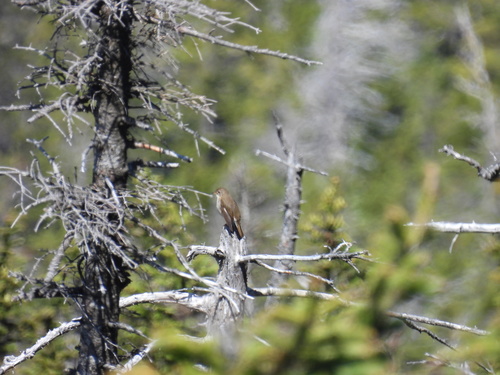 Bicknell's Thrush
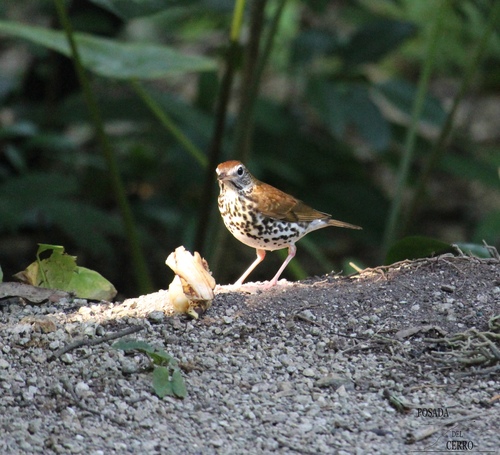 Wood Thrush
In breve
Il modo più affidabile per separare il Bicknell's Thrush dal Wood Thrush è attraverso le dimensioni complessive e l'intensità delle macchie sul petto: il Wood Thrush è decisamente più grande e presenta macchie scure ben definite su un petto bianco, mentre il Bicknell's Thrush è più piccolo e snello con un petto più attenuato e macchie più fini e meno contrastanti. I giovani Wood Thrush mostrano anche macchie extra sulla schiena e sulle copritrici delle ali, una caratteristica mai presente nel Bicknell's. Strutturalmente, il Wood Thrush ha una corporatura più robusta e un becco più robusto. L'habitat può anche aiutare: il Bicknell's è uno specialista delle alte quote, mentre il Wood Thrush si trova in foreste decidue di pianura e di media elevazione. La voce e il comportamento rafforzano ulteriormente la distinzione, ma le dimensioni e il motivo del petto sono i segni più immediati sul campo.
Consigli di identificazione
- Le dimensioni sono un indizio importante: Il Wood Thrush è molto più grande e robusto del Bicknell's Thrush. Se l'uccello sembra grande come un American Robin, è un Wood Thrush; se è visibilmente più piccolo e snello, considera il Bicknell's.
- Macchie sul petto: Il Wood Thrush mostra macchie scure ben definite su un petto bianco brillante, lati e fianchi. Il Bicknell's Thrush ha un petto di colore avorio con macchie scure fini, sfocate e meno contrastanti che svaniscono verso i lati.
- Segni giovanili: I giovani Wood Thrush hanno macchie extra sulla schiena, sul collo e sulle copritrici delle ali—mai viste nel Bicknell's. Questo è diagnostico a fine estate e inizio autunno.
- Colore della corona e della nuca: Il Wood Thrush ha una corona e una nuca di un ricco colore marrone cannella, in contrasto con il dorso marrone più opaco. Il Bicknell's è più uniformemente di colore oliva-marrone sopra, con solo una sottile sfumatura castagna sulla coda.
- Motivo facciale: Il Wood Thrush ha un anello oculare bianco ben definito e un volto semplice. Il Bicknell's ha un anello oculare grigio tenue e guance grigie, ma questo è sottile e spesso difficile da vedere.
- Struttura del becco: Il becco del Wood Thrush è più robusto e massiccio. Il Bicknell's ha un becco più snello, con la mandibola inferiore per lo più gialla tranne che per una punta scura.
- Colore delle zampe: Entrambi hanno zampe rosa, quindi questo non è utile per la separazione.
- Contesto dell'habitat: Se ti trovi in una foresta di conifere stentate ad alta quota nel Nordest, il Bicknell's è possibile. Nelle foreste decidue di pianura o di media elevazione, specialmente con un ricco strato di foglie, ci si aspetta di trovare il Wood Thrush.
- Comportamento: Il Wood Thrush è spesso visto saltellare a terra, girando le foglie, e cercando cibo all'aperto. Il Bicknell's è più riservato e tende a rimanere in copertura densa.
- Impressione del volo: Il Wood Thrush appare pesante e diretto in volo, mentre il Bicknell's è più agile e snello.
- Vocalizzazioni: Entrambi hanno canti simili a flauto, ma il canto del Wood Thrush è più ricco e melodioso. Il canto da solo non è sempre diagnostico senza esperienza.
- Distribuzione: Il Bicknell's è molto localizzato e raro, nidificando solo nelle alte montagne del Nordest. Il Wood Thrush è diffuso nell'Est.
- Stagione: Il Bicknell's è presente solo durante la stagione di nidificazione nel suo raggio limitato. Il Wood Thrush è un migratore e nidificante comune in gran parte dell'America del Nord orientale.
- Simbiosi: Le due specie raramente si sovrappongono nell'habitat di nidificazione; la confusione è più probabile durante la migrazione o in inverno, ma anche allora, le dimensioni e il motivo del petto sono affidabili.
- Trappole: Non fare affidamento sul colore delle zampe o sulla generale marrone; concentrati su dimensioni, macchie sul petto e habitat per la separazione più consistente.
Taglia
Il Wood Thrush è significativamente più grande del Bicknell's Thrush. Il Wood Thrush misura 18–21,5 cm di lunghezza e pesa 48–72 g, con un'apertura alare di 30–40 cm. Al contrario, il Bicknell's Thrush è lungo 17–17,5 cm e pesa 26–30 g. Anche a distanza, il Wood Thrush appare più robusto e massiccio, mentre il Bicknell's è più piccolo e snello. Questa differenza di dimensioni è una delle più consistenti e affidabili sul campo, specialmente quando entrambe le specie sono viste nella stessa regione o habitat.
Piumaggio
- Uccelli giovani/immaturi: I giovani Wood Thrush hanno macchie aggiuntive ben definite sulla schiena, sul collo e sulle copritrici delle ali, che non sono mai presenti nel Bicknell's Thrush di alcuna età. Questo è un forte segno di separazione a fine estate e inizio autunno.
- Adulti: Gli adulti del Wood Thrush hanno una corona e una nuca di un ricco colore marrone cannella, con il dorso, le ali e la coda di un marrone più opaco. Le parti inferiori sono bianche con grandi macchie scure ben definite sul petto, lati e fianchi. Gli adulti del Bicknell's Thrush sono di colore oliva-marrone o marrone sopra, con una coda con sfumature castagne (meno evidenti nel piumaggio usurato), e le parti inferiori sono di un bianco sporco con una sfumatura avorio e macchie scure fini e diffuse che svaniscono verso i lati e il petto inferiore. L'effetto complessivo è che il Wood Thrush appare molto più macchiato e contrastante, mentre il Bicknell's è più attenuato e mescolato.
- Caratteristiche facciali: Entrambi hanno anelli oculari chiari, ma quello del Wood Thrush è più bianco e evidente. Il Bicknell's ha guance grigie e un anello oculare grigio tenue. Il becco del Bicknell's è per due terzi giallo sulla mandibola inferiore con una punta scura, mentre il becco del Wood Thrush è più robusto e meno distintamente marcato.
Comportamento
Il Wood Thrush è spesso visto cercare cibo sul pavimento della foresta, girando le foglie per gli insetti, e può saltellare nel fogliame sotto una densa copertura. È principalmente solitario ma può unirsi a stormi di specie miste in inverno. Il Bicknell's Thrush è meno probabile che venga visto a terra ed è più riservato, spesso rimanendo in fitte macchie di conifere ad alta quota. In volo, il Wood Thrush appare più massiccio e diretto, mentre il Bicknell's è più snello e agile.
Habitat
Il Bicknell's Thrush è altamente localizzato, nidificando quasi esclusivamente su cime montuose di conifere e habitat disturbati ad alta quota nel Nordest dell'America del Nord. È raramente trovato al di fuori di questi habitat specializzati. Il Wood Thrush, al contrario, è diffuso in foreste decidue o miste di pianura e di media elevazione in tutta l'America del Nord orientale, spesso in boschi maturi e umidi con un sottobosco denso. Se ti trovi in una foresta decidua di pianura, è molto più probabile trovare il Wood Thrush; se sei su una cima montuosa esposta al vento con abeti o pini stentati, il Bicknell's è il thrush previsto.
Voce
Entrambe le specie hanno bellissimi canti simili a flauto, ma il canto del Wood Thrush è ampiamente considerato il più bello in Nord America, con una qualità chiara, eterea e ritmica. Il Bicknell's Thrush canta una serie confusa di note simili a flauto che terminano su un tono più alto, ma la distinzione è sottile e non sempre affidabile sul campo. I richiami sono meno utili per la separazione.