

bianchi's warbler vs alström's warbler
Phylloscopus valentini versus Phylloscopus soror
Jogue um quiz com bianchi's warbler e alström's warbler
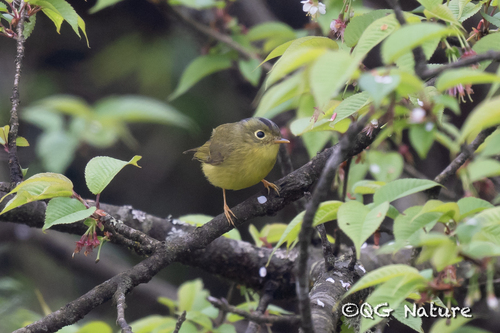 bianchi's warbler
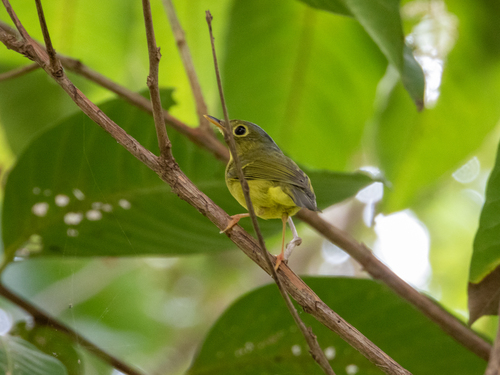 alström's warbler
Em resumo
A marca de campo mais confiável entre o alström's warbler e o bianchi's warbler é a combinação do distinto anel ocular amarelo do alström's (às vezes difuso acima do olho), partes inferiores amarelo-esverdeadas vibrantes e um bico maior com uma cauda mais curta. O bianchi's não possui o pronunciado anel ocular amarelo e tem partes inferiores menos vibrantes. Ambas as espécies são pequenos warblers Phylloscopus com áreas de sobreposição na China e no Sudeste Asiático, e ambas podem ser confundidas com espécies semelhantes, mas a atenção cuidadosa ao padrão facial, cor das partes inferiores e estrutura ajuda a separá-las. Padrões de asas específicos de juvenis e imaturos não são descritos nas fontes disponíveis, então concentre-se na plumagem e estrutura dos adultos.
Dicas de identificação
- Anel ocular amarelo (apenas alström's): Procure um distinto anel ocular amarelo, às vezes difuso acima do olho, no alström's warbler. O bianchi's não possui esse recurso. Isso é mais confiável em boa luz e vistas próximas.
- Cor das partes inferiores: O alström's tem uma parte inferior amarelo-esverdeada vibrante, que é visivelmente mais brilhante do que as partes inferiores mais suaves do bianchi's. Use essa marca quando o pássaro estiver bem iluminado ou visto de baixo.
- Contraste facial: O verde ao redor dos olhos e o anel ocular amarelo dão ao alström's um padrão facial mais marcante. O rosto do bianchi's é mais simples e menos marcado.
- Coroa e testa: O alström's apresenta uma coroa cinza-escura que desbota na testa, adicionando contraste à cabeça. A coroa do bianchi's não é descrita como contrastante, então espere uma cabeça mais uniforme.
- Tamanho do bico: O alström's tem um bico visivelmente maior do que o bianchi's. Isso é sutil, mas pode ser visto em comparações lado a lado ou com experiência.
- Comprimento e padrão da cauda: O alström's tem uma cauda mais curta e um forro branco mais distinto nas penas da cauda externa. Fique atento a isso em pássaros que balançam ou abrem suas caudas ou em voo.
- Padrão das asas e costas: As asas e costas do alström's têm uma coroa cinza com listras pretas, que podem aparecer como listras sutis. O bianchi's não é descrito como listrado ou riscado.
- Diferenças sexuais (alström's): As fêmeas do alström's são ligeiramente menores que os machos, mas isso não é uma marca de campo prática, a menos que os pássaros estejam juntos.
- Idade/plumagens imaturas: Nenhum padrão de asa ou marca de voo distintiva de juvenil ou primeiro inverno é descrito para nenhuma das espécies, então não confie no padrão da asa superior para separação.
- Habitat e área: Ambas as espécies podem ocorrer nas mesmas áreas e habitats, então não use a localização sozinha para separá-las, exceto que o alström's é um reprodutor apenas na China e um visitante de inverno mais ao sul.
- Contexto sazonal: Se visto na China durante a temporada de reprodução (maio-junho), o alström's é mais provável, mas o bianchi's também está presente na região. No inverno, ambos podem se sobrepor no Sudeste Asiático.
- Confusão com outras espécies: Ambos podem ser confundidos com os warblers de Martens, coroa cinza e pintas brancas. Sempre verifique o anel ocular amarelo e a cor das partes inferiores antes de descartar o bianchi's.
- Nenhuma diferença vocal descrita: Não confie em canções ou chamados para separação com base nas fontes atuais.
- Impressão geral: O alström's dá uma impressão mais brilhante e contrastante com seu anel ocular amarelo e partes inferiores, enquanto o bianchi's é mais simples e menos vividamente marcado.
Tamanho
O alström's warbler mede 11–12 cm de comprimento, com fêmeas ligeiramente menores que machos. Nenhuma medida direta é fornecida para o bianchi's warbler, mas ambas as espécies são semelhantes em tamanho geral como típicos pequenos warblers de folhas. O alström's é notado por ter um bico maior e uma cauda mais curta em comparação com warblers semelhantes, o que pode ajudar na comparação direta com o bianchi's.
Plumagem
- Adultos (todas as estações): O alström's warbler apresenta uma coroa cinza-escura que desbota na testa, verde ao redor dos olhos, um distinto anel ocular amarelo (às vezes difuso acima do olho) e uma parte inferior amarelo-esverdeada vibrante. As asas e costas têm uma coroa cinza com listras pretas. O bianchi's warbler não possui uma descrição detalhada da plumagem nas fontes, mas é implícito que é menos vibrante na parte inferior e sem o proeminente anel ocular amarelo.
- Juvenil/imaturo/primeiro inverno: Nenhum padrão de asa superior específico ou marcas de voo relacionadas à idade são descritos para nenhuma das espécies nas fontes disponíveis.
- Cauda: O alström's tem um forro branco mais distinto nas penas da cauda externa, que pode ser visível em boas vistas ou em voo, e uma cauda mais curta no geral.
- Padrão facial: O contraste facial do alström's é realçado pelo anel ocular amarelo e pelo verde ao redor dos olhos; o bianchi's é mais suave.
Comportamento
Nenhuma diferença comportamental é descrita entre essas duas espécies nas fontes disponíveis. Ambas são warblers Phylloscopus ativas típicas, provavelmente forrageando na folhagem e difíceis de separar apenas pelo comportamento.
Habitat
Ambas as espécies se sobrepõem em área e habitat, ocorrendo na China, Laos, Mianmar e Vietnã. O alström's se reproduz apenas na China e inverna mais ao sul, enquanto o bianchi's é residente ou pelo menos presente durante todo o ano em partes de sua área. Ambas favorecem florestas temperadas e habitats florestais semelhantes, então o habitat sozinho não é diagnóstico.
bianchi's warbler · alström's warbler · Minhas aves difíceis