

Bianchi's Warbler vs Alström's Warbler
Phylloscopus valentini contro Phylloscopus soror
Fai un quiz con Bianchi's Warbler e Alström's Warbler
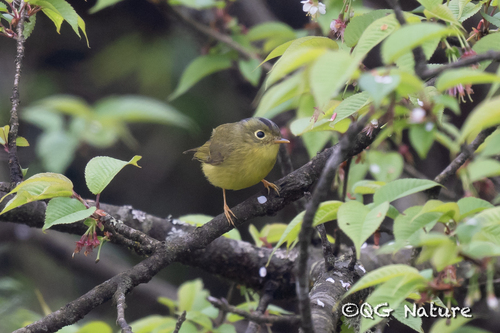 Bianchi's Warbler
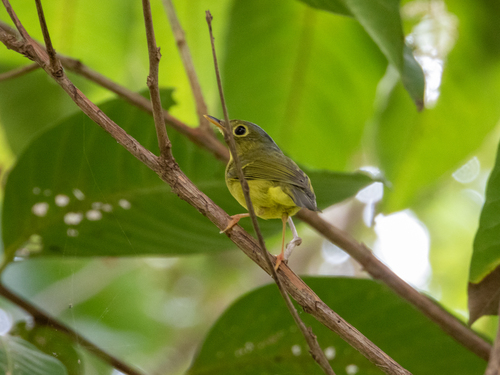 Alström's Warbler
In breve
Il segno distintivo più affidabile tra il Bianchi's Warbler e l'Alström's Warbler è la combinazione dell'anello oculare giallo distintivo di Alström (a volte diffuso sopra l'occhio), delle parti inferiori giallo-verdi vivaci e di un becco più grande con una coda più corta. Il Bianchi's manca dell'anello oculare giallo pronunciato e ha parti inferiori meno vivaci. Entrambe le specie sono piccoli warbler Phylloscopus con aree sovrapposte in Cina e nel sud-est asiatico, e entrambe possono essere confuse con specie simili, ma un'attenta attenzione al pattern facciale, al colore delle parti inferiori e alla struttura aiuta a separarle. I pattern delle ali specifici per i giovani e gli immaturi non sono descritti nelle fonti disponibili, quindi concentrati sul piumaggio e sulla struttura degli adulti.
Consigli di identificazione
- Anello oculare giallo (solo Alström's): Cerca un anello oculare giallo distintivo, a volte diffuso sopra l'occhio, sull'Alström's Warbler. Il Bianchi's manca di questa caratteristica. Questo è più affidabile in buona luce e in viste ravvicinate.
- Colore delle parti inferiori: L'Alström's ha un sottocoda giallo-verde vivace, che è notevolmente più brillante rispetto alle parti inferiori più sobrie del Bianchi's. Usa questo segno quando l'uccello è ben illuminato o visto dal basso.
- Contrasto facciale: Il verde attorno agli occhi e l'anello oculare giallo conferiscono all'Alström's un pattern facciale più sorprendente. Il volto del Bianchi's è più semplice e meno marcato.
- Corona e fronte: L'Alström's mostra una corona grigio-nera che sfuma sulla fronte, aggiungendo contrasto alla testa. La corona del Bianchi's non è descritta come contrastante, quindi aspettati una testa più uniforme.
- Dimensione del becco: L'Alström's ha un becco visibilmente più grande rispetto al Bianchi's. Questo è sottile ma può essere visto in confronti affiancati o con esperienza.
- Lunghezza e pattern della coda: L'Alström's ha una coda più corta e un rivestimento bianco più distintivo nelle piume esterne della coda. Fai attenzione a questo negli uccelli che sbattono o aprono le code o in volo.
- Pattern delle ali e della schiena: Le ali e la schiena dell'Alström's hanno una corona grigia con strisce nere, che possono apparire come striature sottili. Il Bianchi's non è descritto come striato o a strisce.
- Differenze sessuali (Alström's): Le femmine di Alström's sono leggermente più piccole dei maschi, ma questo non è un segno pratico sul campo a meno che gli uccelli non siano insieme.
- Piumaggi di età/immaturi: Non sono descritti segni distintivi di ali o di volo per i giovani o i primi inverni per nessuna delle due specie, quindi non fare affidamento sul pattern delle ali superiori per la separazione.
- Habitat e area: Entrambe le specie possono verificarsi nelle stesse aree e habitat, quindi non usare la posizione da sola per separarle, tranne per il fatto che l'Alström's è un riproduttore solo in Cina e un visitatore invernale più a sud.
- Contesto stagionale: Se visto in Cina durante la stagione di riproduzione (maggio-giugno), l'Alström's è più probabile, ma il Bianchi's è anche presente nella regione. In inverno, entrambe possono sovrapporsi nel sud-est asiatico.
- Confusione con altre specie: Entrambe possono essere scambiate per il Martens's, il Gray-crowned e il White-speckled Warblers. Controlla sempre l'anello oculare giallo e il colore delle parti inferiori prima di escludere il Bianchi's.
- Nessuna differenza vocale descritta: Non fare affidamento sul canto o sul richiamo per la separazione basata sulle fonti attuali.
- Impressione generale: L'Alström's dà un'impressione più brillante e contrastante con il suo anello oculare giallo e le parti inferiori, mentre il Bianchi's è più semplice e meno vivacemente marcato.
Taglia
L'Alström's Warbler è lungo 11–12 cm, con le femmine leggermente più piccole dei maschi. Non sono fornite misurazioni dirette per il Bianchi's Warbler, ma entrambe le specie sono simili in dimensioni complessive come tipici piccoli warbler delle foglie. Si nota che l'Alström's ha un becco più grande e una coda più corta rispetto ai warbler simili, il che può aiutare nel confronto diretto con il Bianchi's.
Piumaggio
- Adulti (tutte le stagioni): L'Alström's Warbler mostra una corona grigio-nera che sfuma sulla fronte, verde attorno agli occhi, un anello oculare giallo distintivo (a volte diffuso sopra l'occhio) e un sottocoda giallo-verde vivace. Le ali e la schiena hanno una corona grigia con strisce nere. Il Bianchi's Warbler manca di una descrizione dettagliata del piumaggio nelle fonti, ma si implica che sia meno vivace sotto e senza l'anello oculare giallo prominente.
- Giovanile/immaturo/primo inverno: Non sono descritti segni specifici di ali superiori o di volo legati all'età per nessuna delle due specie nelle fonti disponibili.
- Coda: L'Alström's ha un rivestimento bianco più distintivo nelle piume esterne della coda, che può essere visibile in buone viste o in volo, e una coda più corta nel complesso.
- Pattern facciale: Il contrasto facciale dell'Alström's è accentuato dall'anello oculare giallo e dal verde attorno agli occhi; il Bianchi's è più sobrio.
Comportamento
Non sono descritte differenze comportamentali tra queste due specie nelle fonti disponibili. Entrambe sono tipici warbler Phylloscopus attivi, probabilmente a foraggiare nel fogliame e difficili da separare solo per comportamento.
Habitat
Entrambe le specie si sovrappongono in area e habitat, verificandosi in Cina, Laos, Myanmar e Vietnam. L'Alström's si riproduce solo in Cina e sverna più a sud, mentre il Bianchi's è residente o almeno presente tutto l'anno in alcune parti del suo areale. Entrambe preferiscono foreste temperate e habitat boschivi simili, quindi l'habitat da solo non è diagnostico.
Bianchi's Warbler · Alström's Warbler · I miei uccelli difficili