

american goshawk vs pigargo-americano
Astur atricapillus versus Haliaeetus leucocephalus
Jogue um quiz com american goshawk e pigargo-americano
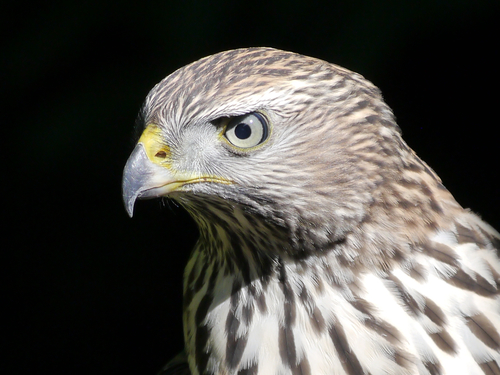 american goshawk
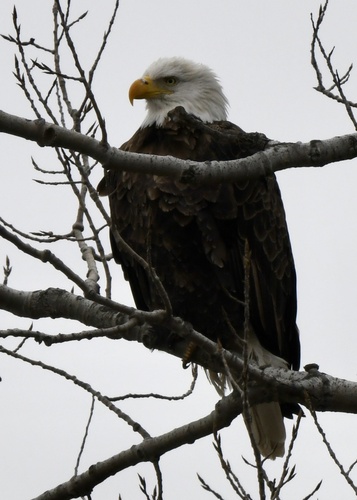 pigargo-americano
Em resumo
A marca de campo mais confiável entre o american goshawk e o pigargo-americano, especialmente para aves imaturas em voo, é o tamanho e a estrutura geral: os pigargos-americanos são vastamente maiores, com cabeças e bicos massivos, e asas extremamente largas e planas, enquanto os american goshawks são muito menores, com asas proporcionalmente mais curtas e arredondadas e caudas longas. A plumagem juvenil pode causar confusão, pois ambas as espécies são marrons com estrias pálidas, mas a robustez do águia, seu enorme bico e asas planas e com bordas retas são inconfundíveis quando vistas bem. Os goshawks mostram estrias verticais mais pesadas nas partes inferiores como juvenis, enquanto os pigargos-americanos imaturos têm manchas brancas desordenadas e nunca mostram as estrias verticais uniformes de um juvenile goshawk. Mesmo à distância, o tamanho e as proporções do águia devem descartar um goshawk, mas confusões podem ocorrer com imaturos distantes ou mal vistos.
Dicas de identificação
- O tamanho é a primeira verificação: Se a ave é realmente do tamanho de uma águia, com uma cabeça e bico massivos, é um pigargo-americano. Goshawks são muito menores, mais próximos de um grande buteo ou uma pequena águia, no máximo.
- Forma da asa em voo: Os pigargos-americanos têm asas longas, largas e planas com bordas retas, mantidas planas ao planar. Os goshawks têm asas mais curtas e arredondadas e uma cauda proporcionalmente mais longa, dando uma silhueta diferente.
- Tamanho e forma do bico: Os pigargos-americanos têm um bico enorme, profundo e pálido que é óbvio mesmo à distância. Goshawks têm um bico muito menor e curvado, típico de accipiters.
- Projeção da cabeça: Em voo, os pigargos-americanos mostram uma cabeça e pescoço grandes e salientes bem à frente das asas. Goshawks têm uma cabeça menor que não projeta tanto.
- Forma e comprimento da cauda: Goshawks têm uma cauda longa e arredondada, muitas vezes com uma ponta branca larga em juvenis. Pigargos-americanos têm uma cauda mais curta e em forma de cunha (imaturos escuros, adultos brancos).
- Padrão das partes inferiores juvenis: Goshawks juvenis mostram estrias verticais pesadas e uniformes no peito e na barriga. Pigargos-americanos juvenis têm manchas brancas desordenadas e irregulares e nunca mostram estrias uniformes.
- Plumagem adulta: Pigargos-americanos adultos são inconfundíveis com uma cabeça e cauda brancas. Goshawks adultos são cinzas por cima e finamente listados por baixo, nunca com cabeça ou cauda brancas.
- Estilo de voo: Goshawks voam com batidas de asas profundas e deliberadas e são ágeis em habitats florestais. Pigargos-americanos planam com batidas de asas lentas e constantes e raramente manobram através de árvores densas.
- Postura empoleirada: Pigargos-americanos são massivos e frequentemente se empoleiram em áreas abertas, especialmente perto da água. Goshawks são mais compactos e secretos, geralmente empoleirados em ou perto de cobertura florestal.
- Contexto do habitat: Se vistos sobre água aberta, especialmente em grupo ou se alimentando, é quase certamente um pigargo-americano. Goshawks raramente são encontrados longe da floresta.
- Confusão de idade: Imaturos de pigargos-americanos podem ser confundidos com outros grandes raptores, mas são sempre muito maiores do que qualquer goshawk. Juvenis de goshawk nunca são tão manchados ou tão grandes quanto uma águia jovem.
- Verificação de proporção: Mesmo à distância, a enorme cabeça e bico do águia, longas asas e a robustez geral são diagnósticas. Goshawks parecem mais compactos, com um pescoço mais curto e bico menor.
- Sobreposição com outros raptores: Goshawks podem ser confundidos com grandes buteos ou até mesmo com falcões-gyr, mas nunca se aproximam do tamanho de uma águia. Pigargos-americanos só são propensos a serem confundidos com águias-reais à distância.
- Contexto sazonal: Pigargos-americanos estão presentes durante todo o ano em muitas áreas, mas são mais numerosos perto da água no inverno. Goshawks são mais prováveis em áreas florestais, especialmente durante a época de reprodução.
- A voz não é útil: Vocalizações não são diagnósticas entre esses dois; a identificação deve depender da estrutura, plumagem e contexto.
Tamanho
Os pigargos-americanos estão entre os maiores raptores da América do Norte, com uma massa corporal média de 4740 g (e fêmeas do Alasca alcançando mais de 7000 g), uma envergadura de até 2,44 m e um bico enorme e profundo. Os american goshawks são muito menores, sem sobreposição no comprimento das asas ou da cauda, e estão mais próximos em tamanho de grandes buteos ou pequenas águias, no máximo. Mesmo a maior fêmea de goshawk é ofuscada por um pigargo-americano. No campo, um pigargo-americano parecerá várias vezes maior do que um goshawk, com uma cabeça e bico muito mais massivos. A sobreposição de peso é impossível; mesmo um pequeno pigargo-americano é muito mais pesado do que qualquer goshawk.
Plumagem
- Juvenil/Imaturo: Os juvenis de american goshawks têm estrias verticais pesadas e uniformes no peito e na barriga, com partes superiores marrons e uma cauda relativamente curta para seu corpo largo. Os juvenis de pigargos-americanos são marrons escuros no geral com estrias e manchas brancas desordenadas e irregulares, especialmente na parte inferior da asa e na barriga, e não apresentam as estrias verticais limpas de um goshawk. A cabeça do águia é grande e saliente, e o bico é enorme e pálido, mesmo em imaturos. Os juvenis de goshawk nunca mostram as extensas manchas brancas de uma águia jovem.
- Adulto: Os pigargos-americanos adultos são inconfundíveis com uma cabeça e cauda brancas contrastando com um corpo e asas marrons escuros. Os american goshawks adultos são cinzas por cima com partes inferiores pálidas finamente listadas com cinza, nunca mostrando listagens avermelhadas ou marrons. Nenhum adulto de pigargo-americano poderia ser confundido com um goshawk.
- Penas de voo: Os pigargos-americanos têm asas largas e planas com bordas retas, enquanto os goshawks têm asas mais curtas e arredondadas e uma cauda longa. Nenhum painel superior de asa distinto ou padrões em 'W' são notados para nenhum dos dois, mas a forma e o tamanho da asa do águia são diagnósticos.
- Idade: Os pigargos-americanos levam até cinco anos para alcançar a plumagem adulta, então os imaturos são variáveis, mas sempre enormes e com bico pesado. Os goshawks amadurecem mais rápido e nunca mostram as manchas brancas do águia.
Comportamento
Os pigargos-americanos frequentemente planam com asas planas e retas e batidas de asas lentas e profundas, às vezes empoleirando-se conspicuamente em áreas abertas ou perto da água. Eles podem ser vistos se alimentando ou roubando comida de outras aves. Os american goshawks são mais secretos, voando com batidas de asas mais profundas e deliberadas do que outros falcões Astur, e são tipicamente vistos em ou perto de florestas, frequentemente voando baixo e rápido através das árvores. Os goshawks raramente planam em áreas abertas por longos períodos e são muito menos propensos a serem vistos empoleirados em áreas abertas do que os águias.
Habitat
Os pigargos-americanos estão associados a grandes corpos de água, rios, lagos e costas, frequentemente nidificando em árvores altas ou em penhascos perto da água. Eles são amplamente distribuídos pela América do Norte, especialmente perto de habitats aquáticos adequados. Os american goshawks preferem florestas densas, especialmente florestas coníferas maduras ou mistas, e são menos propensos a serem encontrados em áreas abertas ou perto de grandes corpos d'água. A sobreposição pode ocorrer durante a migração ou inverno, mas as preferências típicas de habitat são bastante diferentes.