

American Goshawk vs Bald Eagle
Astur atricapillus contro Haliaeetus leucocephalus
Fai un quiz con American Goshawk e Bald Eagle
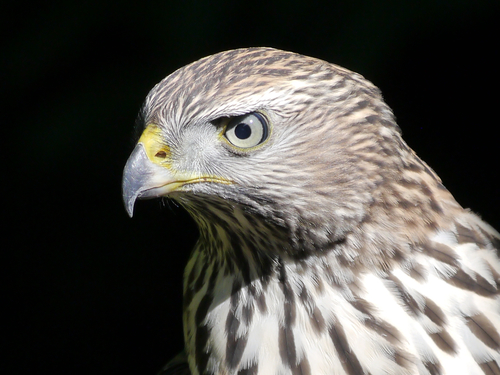 American Goshawk
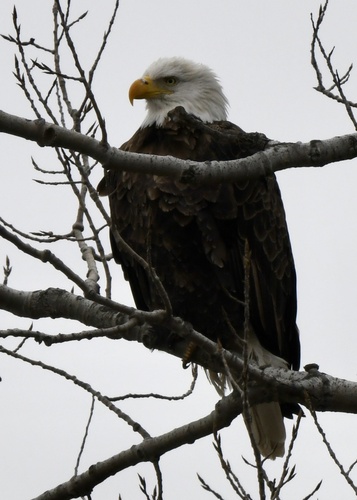 Bald Eagle
In breve
Il segno di campo più affidabile tra American Goshawk e Bald Eagle, specialmente per gli uccelli immaturi in volo, è la dimensione e la struttura complessiva: i Bald Eagles sono enormemente più grandi, con teste e becchi massicci, e ali estremamente larghe e piatte, mentre gli American Goshawks sono molto più piccoli, con ali proporzionalmente più corte e arrotondate e code lunghe. Il piumaggio giovanile può causare confusione, poiché entrambe le specie sono marroni con striature chiare, ma la massa dell'aquila, il suo enorme becco e le ali piatte e con bordi dritti sono inconfondibili quando viste bene. I Goshawks mostrano striature verticali più pesanti sulle parti inferiori da giovani, mentre i Bald Eagles immaturi hanno macchie bianche disordinate e non mostrano mai le striature verticali uniformi di un giovane goshawk. Anche a distanza, la dimensione e le proporzioni dell'aquila dovrebbero escludere un goshawk, ma può verificarsi confusione con immaturi visti male o da lontano.
Consigli di identificazione
- Size is the first check: Se l'uccello è veramente delle dimensioni di un'aquila, con una testa e un becco massicci, è un Bald Eagle. I Goshawks sono molto più piccoli, più simili a un grande buteo o a un piccolo aquila al massimo.
- Wing shape in flight: I Bald Eagles hanno ali lunghe, larghe e piatte con bordi posteriori dritti, tenute piatte quando planano. I Goshawks hanno ali più corte e arrotondate e una coda proporzionalmente più lunga, dando una silhouette diversa.
- Bill size and shape: I Bald Eagles hanno un becco enorme, profondo e chiaro che è ovvio anche da lontano. I Goshawks hanno un becco molto più piccolo e ricurvo, tipico degli accipitri.
- Head projection: In volo, i Bald Eagles mostrano una testa e un collo grandi e sporgenti ben davanti alle ali. I Goshawks hanno una testa più piccola che non sporge così tanto.
- Tail shape and length: I Goshawks hanno una coda lunga e arrotondata, spesso con una punta bianca larga nei giovani. I Bald Eagles hanno una coda più corta e a forma di cuneo (immaturi scuri, adulti bianchi).
- Juvenile underpart pattern: I giovani goshawks mostrano striature verticali pesanti e uniformi sul petto e sull'addome. I giovani Bald Eagles hanno macchie bianche disordinate e irregolari e non mostrano mai striature uniformi.
- Adult plumage: Gli adulti Bald Eagles sono inconfondibili con una testa e una coda bianche. Gli adulti goshawks sono grigi sopra e finemente striati sotto, mai con testa o coda bianche.
- Flight style: I Goshawks volano con battiti d'ala profondi e deliberati e sono agili negli habitat boschivi. I Bald Eagles planano con battiti d'ala lenti e costanti e raramente manovrano attraverso alberi densi.
- Perched posture: I Bald Eagles sono massicci e spesso si posano in aree aperte, specialmente vicino all'acqua. I Goshawks sono più compatti e riservati, di solito posati in o vicino a copertura forestale.
- Habitat context: Se visti sopra acqua aperta, specialmente in gruppo o mentre si nutrono, è quasi certamente un Bald Eagle. I Goshawks si trovano raramente lontano dalla foresta.
- Age confusion: I Bald Eagles immaturi possono essere scambiati per altri grandi rapaci ma sono sempre molto più grandi di qualsiasi goshawk. I giovani goshawk non sono mai così macchiati o grandi come un giovane aquila.
- Proportion check: Anche a distanza, la grande testa e il becco dell'aquila, le lunghe ali e la massa complessiva sono diagnostici. I Goshawks appaiono più compatti, con un collo più corto e un becco più piccolo.
- Overlap with other raptors: I Goshawks possono essere confusi con grandi buteos o addirittura con i gyrfalcons, ma non raggiungono mai le dimensioni di un'aquila. I Bald Eagles possono essere confusi solo con le Aquile reali a distanza.
- Seasonal context: I Bald Eagles sono presenti tutto l'anno in molte aree ma sono più numerosi vicino all'acqua in inverno. I Goshawks sono più probabili in aree boschive, specialmente durante la stagione della riproduzione.
- Voice is not helpful: Le vocalizzazioni non sono diagnostiche tra questi due; l'identificazione dovrebbe basarsi su struttura, piumaggio e contesto.
Taglia
I Bald Eagles sono tra i più grandi rapaci del Nord America, con una massa corporea media di 4740 g (e le femmine dell'Alaska che raggiungono oltre 7000 g), un'apertura alare fino a 2,44 m e un becco enorme e profondo. Gli American Goshawks sono molto più piccoli, senza sovrapposizione nella lunghezza delle ali o della coda, e sono più simili in dimensioni a grandi buteos o piccole aquile al massimo. Anche la più grande femmina di goshawk è ridotta a un Bald Eagle. Sul campo, un Bald Eagle apparirà diverse volte più grande di un goshawk, con una testa e un becco molto più massicci. La sovrapposizione di peso è impossibile; anche un piccolo Bald Eagle è molto più pesante di qualsiasi goshawk.
Piumaggio
- Juvenile/Immature: I giovani American Goshawks hanno striature verticali pesanti e uniformi sul petto e sull'addome, con parti superiori marroni e una coda relativamente corta per il loro corpo largo. I giovani Bald Eagles sono di un marrone scuro complessivo con striature e macchie bianche disordinate e irregolari, specialmente sulle ali inferiori e sull'addome, e mancano delle pulite striature verticali di un goshawk. La testa dell'aquila è grande e sporgente, e il becco è enorme e chiaro, anche negli immaturi. I giovani goshawk non mostrano mai le ampie macchie bianche di un giovane aquila.
- Adult: Gli adulti Bald Eagles sono inconfondibili con una testa e una coda bianche che contrastano con un corpo e ali marroni scuri. Gli adulti American Goshawks sono grigi sopra con parti inferiori chiare finemente striate di grigio, mai mostrando striature rugginose o marroni. Nessun adulto Bald Eagle potrebbe essere confuso con un goshawk.
- Flight feathers: I Bald Eagles hanno ali larghe e piatte con bordi posteriori dritti, mentre i goshawks hanno ali più corte e arrotondate e una coda lunga. Non si notano pannelli distintivi sulle ali superiori o modelli a 'W' per nessuno dei due, ma la forma e la dimensione dell'ala dell'aquila sono diagnostiche.
- Aging: I Bald Eagles impiegano fino a cinque anni per raggiungere il piumaggio adulto, quindi gli immaturi sono variabili ma sempre enormi e con becco pesante. I Goshawks maturano più rapidamente e non mostrano mai le macchie bianche dell'aquila.
Comportamento
I Bald Eagles spesso planano con ali piatte e dritte e battiti d'ala lenti e profondi, a volte posandosi in modo evidente in aree aperte o vicino all'acqua. Possono essere visti mentre si nutrono o rubano cibo ad altri uccelli. Gli American Goshawks sono più riservati, volando con battiti d'ala più profondi e deliberati rispetto ad altri falchi Astur, e sono tipicamente visti in o vicino a foreste, spesso volando bassi e veloci tra gli alberi. I Goshawks raramente planano in aperto per lunghi periodi e sono molto meno probabili da vedere posati in aperto rispetto agli aquiloni.
Habitat
I Bald Eagles sono associati a grandi corpi d'acqua, fiumi, laghi e coste, spesso nidificando in alberi alti o su scogliere vicino all'acqua. Sono diffusi in tutto il Nord America, specialmente vicino a habitat acquatici adatti. Gli American Goshawks preferiscono foreste dense, specialmente boschi coniferi maturi o misti, e sono meno probabili da trovare in aree aperte o vicino a grandi corpi d'acqua. Può verificarsi sovrapposizione in migrazione o inverno, ma le preferenze tipiche degli habitat sono abbastanza diverse.