

batuiruçu vs borrelho-de-coleira-dupla
Pluvialis dominica versus Charadrius vociferus
Jogue um quiz com batuiruçu e borrelho-de-coleira-dupla
 batuiruçu
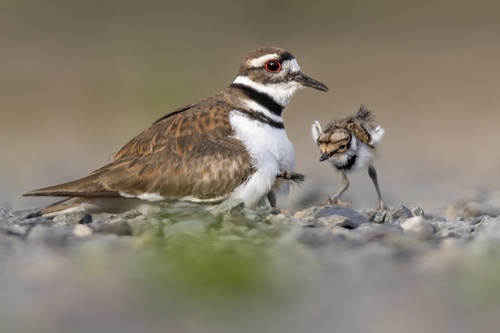 borrelho-de-coleira-dupla
Em resumo
A marca de campo mais confiável para separar o batuiruçu do borrelho-de-coleira-dupla é a presença de duas faixas pretas ousadas no peito do borrelho-de-coleira-dupla, em comparação com uma única barriga e subcauda pretos sólidos (na plumagem de reprodução) ou partes inferiores simples (na não reprodução) no batuiruçu. Em voo, o borrelho-de-coleira-dupla exibe uma faixa branca brilhante na asa e uma cauda ruiva, enquanto o batuiruçu não possui nenhuma das duas. A estrutura também ajuda: o borrelho-de-coleira-dupla tem cauda mais longa e bico mais grosso, enquanto o batuiruçu é mais esguio, com cabeça e bico menores. Pássaros juvenis e não reprodutores podem ser confusos, mas o padrão de faixas no peito e os contrastes de asa/cauda permanecem confiáveis. O habitat e o comportamento podem se sobrepor, mas o borrelho-de-coleira-dupla é muito mais provável em campos abertos e áreas urbanas, enquanto o batuiruçu prefere tundra ou mudflats abertos durante a migração.
Dicas de identificação
- Faixas no peito: O borrelho-de-coleira-dupla sempre mostra duas faixas pretas ousadas em um fundo branco (adultos e a maioria dos juvenis). O batuiruçu nunca tem duas faixas no peito; os adultos em reprodução têm uma barriga preta sólida, enquanto os pássaros não reprodutores e juvenis têm partes inferiores simples e pálidas.
- Faixa na asa em voo: O borrelho-de-coleira-dupla mostra uma faixa branca conspícua na base das penas de voo, visível em todas as idades e estações. O batuiruçu não possui nenhuma faixa branca na asa.
- Cauda ruiva: O borrelho-de-coleira-dupla exibe uma cauda ruiva e cauda superior em voo ou quando se exibe. A cauda do batuiruçu é simples, sem ruivo.
- Padrão da cauda: A cauda do borrelho-de-coleira-dupla é marrom com uma faixa subterminal preta e uma faixa terminal branca, frequentemente aberta em exibição. A cauda do batuiruçu é simples e não possui essas faixas contrastantes.
- Formato do bico: O borrelho-de-coleira-dupla tem um bico curto, grosso e escuro; o bico do batuiruçu é mais curto, esguio e mais delicado.
- Cabeça e face: O borrelho-de-coleira-dupla tem uma testa branca, supercílios brancos (sobrancelha) e uma máscara preta com um colar branco. O batuiruçu na plumagem de reprodução tem um rosto e garganta pretos com uma coroa e nuca brancas, mas sem colar ou máscara.
- Anel ocular: O borrelho-de-coleira-dupla tem um anel ocular vermelho notável, ausente no batuiruçu.
- Partes superiores: O batuiruçu exibe partes superiores com manchas douradas na plumagem de reprodução; o borrelho-de-coleira-dupla é marrom simples com franjas ruivas.
- Cor das pernas: O borrelho-de-coleira-dupla tem pernas de cor carne; a cor das pernas do batuiruçu não é especificada, mas não é uma marca de campo forte nesta comparação.
- Confusão juvenil: O juvenil do borrelho-de-coleira-dupla pode mostrar brevemente apenas uma faixa no peito, mas rapidamente desenvolve a segunda. Os juvenis do batuiruçu nunca mostram faixas no peito.
- Voz: Se você ouvir um chamado alto e repetido 'kill-deer', é o borrelho-de-coleira-dupla. O batuiruçu é muito mais silencioso e menos vocal durante a migração.
- Habitat: Em ambientes urbanos, suburbanos ou agrícolas, o borrelho-de-coleira-dupla é muito mais provável. O batuiruçu prefere tundra (reprodução) ou mudflats/campos abertos (migração), raramente em áreas urbanizadas.
- Comportamento: O borrelho-de-coleira-dupla frequentemente realiza a exibição de 'asa quebrada', expondo sua cauda ruiva e abrindo sua cauda. O batuiruçu não mostra esse comportamento.
- Temporização sazonal: O batuiruçu troca para a plumagem de inverno mais tarde (setembro-outubro) do que a tarambola-dourada-siberiana, mas isso não é diagnóstico contra o borrelho-de-coleira-dupla.
- Tamanho do grupo: O borrelho-de-coleira-dupla é frequentemente visto em pares ou pequenos grupos em áreas abertas; o batuiruçu pode ser solitário ou em bandos soltos, especialmente durante a migração.
Tamanho
O batuiruçu é ligeiramente mais pesado em média (massa corporal ~145 g [wikidata]) em comparação com o borrelho-de-coleira-dupla (tipicamente 72–121 g [wikipedia]), mas ambos são semelhantes em comprimento (batuiruçu: 24–28 cm; borrelho-de-coleira-dupla: 20–28 cm) e envergadura (batuiruçu: 65–67 cm; borrelho-de-coleira-dupla: 59–63 cm). No campo, o borrelho-de-coleira-dupla frequentemente parece mais alto e com cauda mais longa, enquanto o batuiruçu parece mais compacto e esguio, especialmente ao se alimentar ou estar alerta.
Plumagem
- Voo juvenil/imaturo: O borrelho-de-coleira-dupla de todas as idades mostra uma forte faixa branca na asa na base das penas de voo e uma cauda ruiva, ambas visíveis em voo. O batuiruçu não possui nenhuma dessas características, mostrando axilares cinzas simples e sem faixa branca na asa ou cauda ruiva.
- Adulto em reprodução: O batuiruçu tem um rosto, pescoço, peito e barriga pretos impressionantes, com uma coroa/nuca brancas e costas com manchas douradas. O borrelho-de-coleira-dupla nunca mostra esse padrão; em vez disso, tem partes superiores marrons, uma testa branca e duas faixas pretas no peito em uma barriga branca.
- Adulto não reprodutor/juvenil: O batuiruçu torna-se cinza-marron acima e pálido abaixo, com uma sobrancelha esbranquiçada, mas sem faixas no peito. O borrelho-de-coleira-dupla mantém suas duas faixas pretas no peito durante todo o ano, e os juvenis mostram uma única faixa no peito quando muito jovens, adquirindo rapidamente a segunda. O borrelho-de-coleira-dupla também tem um colar branco com uma borda superior preta e um anel ocular vermelho, enquanto o batuiruçu não possui essas características.
- Cauda e cauda: O borrelho-de-coleira-dupla tem uma cauda marrom com uma faixa subterminal preta, uma faixa terminal branca e uma cauda ruiva; a cauda e a cauda do batuiruçu são simples, sem esses contrastes.
Comportamento
Ambas as espécies são terrestres e frequentemente correm em curtas explosões, mas o borrelho-de-coleira-dupla é especialmente notado por sua exibição de distração de 'asa quebrada', onde finge estar ferido e expõe sua cauda ruiva para atrair predadores para longe do ninho. O borrelho-de-coleira-dupla também é mais vocal e conspícuo, frequentemente chamando em voo ou no chão. O batuiruçu é mais reservado, especialmente durante a migração, e é menos provável que realize exibições de distração. Ambas defendem territórios, mas o borrelho-de-coleira-dupla é mais provável de ser visto em pares ou pequenos grupos em habitats alterados pelo homem.
Habitat
O borrelho-de-coleira-dupla é altamente adaptável e comum em campos abertos, terras agrícolas, terrenos de cascalho e até telhados, frequentemente longe da água. O batuiruçu se reproduz na tundra ártica e migra através de mudflats abertos, grama curta e às vezes campos agrícolas, mas é muito menos provável de ser encontrado em ambientes urbanos ou suburbanos. Se você ver um plover em um parque ou estacionamento da cidade, é quase certamente um borrelho-de-coleira-dupla.
Voz
O borrelho-de-coleira-dupla é extremamente vocal, com um chamado alto e repetido 'kill-deer' ou 'kee-deeyu', frequentemente ouvido até à noite. Seu chamado de alarme é um trinado rápido. O batuiruçu é mais silencioso e menos provável de chamar persistentemente durante a migração ou inverno; seus chamados não são descritos nas notas fornecidas, mas são geralmente mais suaves e menos distintos do que os do borrelho-de-coleira-dupla.
batuiruçu · borrelho-de-coleira-dupla · Minhas aves difíceis