

suindara vs coruja-das-neves
Tyto furcata versus Bubo scandiacus
Jogue um quiz com suindara e coruja-das-neves
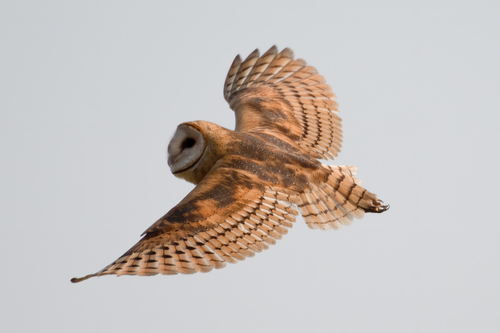 suindara
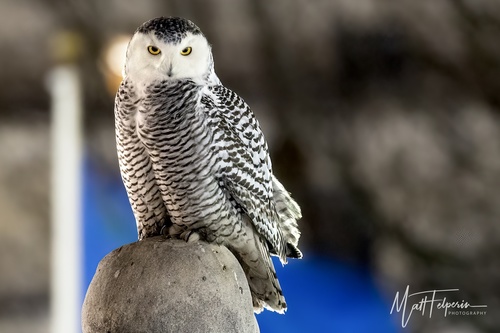 coruja-das-neves
Em resumo
A marca de campo mais confiável para separar a suindara da coruja-das-neves é a cor geral e a estrutura facial: as suindaras têm um rosto distintivo em forma de coração, pálido (geralmente branco) e um corpo pálido, levemente salpicado, enquanto as corujas-das-neves são mais robustas, principalmente brancas, e têm uma cabeça arredondada com olhos amarelos brilhantes. Em voo, as suindaras exibem asas longas e largas e uma cauda curta e quadrada, frequentemente com pernas emplumadas pendentes, enquanto as corujas-das-neves parecem mais pesadas, com asas largas e uma cauda arredondada e curta. Corujas-das-neves juvenis e fêmeas podem ser fortemente barradas ou manchadas, mas nunca mostram o disco facial em forma de coração da suindara. Ambas as espécies podem parecer pálidas à distância, mas a estrutura e os traços faciais são decisivos.
Dicas de identificação
- Rosto em forma de coração (apenas suindara): As suindaras têm um disco facial distintivo, plano, em forma de coração, que é branco brilhante ou buff, com olhos pretos. As corujas-das-neves têm uma cabeça arredondada, sem disco em forma de coração, e olhos amarelos.
- Cor geral: As corujas-das-neves são principalmente brancas, às vezes com fortes barras ou manchas marrons (especialmente fêmeas e juvenis), mas nunca mostram a fina salpicadura ou os tons pálidos de marrom/cinza da suindara. As suindaras são pálidas, mas nunca brancas puras, e sempre mostram algum marrom pálido ou cinza nas partes superiores.
- Padrão de asas e cauda (todas as idades): As suindaras têm asas longas e largas e uma cauda curta e quadrada com bandas marrons claras e mais escuras, mas sem barras ousadas. As corujas-das-neves têm asas largas e uma cauda curta e arredondada; fêmeas e juvenis mostram barras marrons nas asas e na cauda, enquanto os machos são quase sem marcas.
- Cor dos olhos: As suindaras têm olhos pretos; as corujas-das-neves têm olhos amarelos brilhantes. Isso é diagnóstico a curta distância.
- Postura empoleirada: As corujas-das-neves empoleiram-se eretas, parecendo robustas e arredondadas, frequentemente no chão ou em postes baixos. As suindaras são mais esbeltas, frequentemente empoleiradas em cavidades ou em vigas.
- Estilo de voo: As suindaras voam com um voo flutuante, ondulante e silencioso, frequentemente com as pernas pendentes. As corujas-das-neves voam com batidas de asas fortes e diretas e parecem mais pesadas no ar.
- Pernas e dedos: As suindaras têm pernas longas e emplumadas que podem pendurar durante o voo. As corujas-das-neves também têm pernas emplumadas, mas suas pernas são mais curtas e menos propensas a pendurar.
- Contexto de habitat: As suindaras estão associadas a estruturas humanas, terras agrícolas e campos abertos; as corujas-das-neves são aves da tundra, campos abertos e raramente perto de edifícios.
- Confusão de sexo e idade: Fêmeas e juvenis de corujas-das-neves podem ser fortemente barradas e parecer mais escuras, mas nunca têm o rosto em forma de coração ou a fina salpicadura da suindara. As fêmeas da suindara são mais manchadas abaixo, mas sempre mostram o disco facial característico.
- Forma da cabeça: As suindaras têm um rosto plano e largo; as corujas-das-neves têm uma cabeça arredondada e compacta.
- Marcas faciais: As corujas-das-neves podem mostrar manchas escuras fracas na coroa ou ao redor do rosto, mas nunca o contorno uniforme em forma de coração da suindara.
- Cor do bico e garras: Os bicos das suindaras são de cor chifre pálido a buff escuro; os bicos das corujas-das-neves são menos visíveis, mas são escuros. A cor das garras não é uma marca de campo confiável.
- Voz: Não é diagnóstico em campo para separação; ambas podem ser silenciosas e seus chamados são muito diferentes, mas raramente ouvidos em comparação direta.
- Muda e desgaste das penas: Não é útil para separação em campo.
- Contexto sazonal: As corujas-das-neves são mais prováveis de serem vistas em áreas do sul durante erupções no inverno; as suindaras são residentes durante todo o ano em habitat adequado.
Tamanho
A coruja-das-neves é distintamente maior e mais robusta que a suindara. Embora medições precisas não sejam fornecidas aqui, as corujas-das-neves são descritas como grandes corujas, com uma construção poderosa e pesada típica das corujas do gênero Bubo. As suindaras são de tamanho médio, com uma aparência mais esbelta e alongada e uma cabeça e corpo visivelmente menores em comparação com a coruja-das-neves. No campo, a coruja-das-neves muitas vezes aparece como um grande bloco arredondado quando empoleirada, enquanto a suindara é mais esbelta e delicada.
Plumagem
-
Juvenis e imaturos: As corujas-das-neves juvenis são de cor marrom-cinza escura por cima, com sobrancelhas e áreas faciais brancas, e desenvolvem barras escuras sobre o branco à medida que envelhecem. Elas podem ser fortemente manchadas ou salpicadas, especialmente nas costas e asas. As suindaras juvenis estão cobertas de penugem branca, desenvolvendo rapidamente o disco facial em forma de coração; suas penas de voo são de cor marrom pálido com bandas mais escuras, e as partes inferiores são brancas a buff com fina salpicadura.
-
Adultos: As suindaras adultas são pálidas em geral, com uma parte inferior branca ou buff sem padrão ou finamente salpicada, partes superiores de marrom pálido a cinza com finas salpicaduras, e um rosto em forma de coração branco brilhante (às vezes acastanhado). As remiges e rectrices são de cor marrom clara com bandas mais escuras, mas nunca mostram barras ousadas ou manchas pesadas. As corujas-das-neves adultas são principalmente brancas, com machos sendo brancos mais puros e fêmeas mais fortemente barradas ou manchadas de marrom, especialmente na coroa, flancos e parte superior do peito. As penas de voo e cauda da coruja-das-neves são levemente barradas de marrom nas fêmeas, e mais esparsamente marcadas nos machos. As corujas-das-neves não têm o disco facial em forma de coração e têm olhos amarelos, enquanto as suindaras têm olhos pretos.
-
Variação de sexo e idade: As fêmeas da suindara são maiores e mais manchadas na parte inferior do que os machos, mas ambos os sexos são mais pálidos e menos marcados do que até mesmo as fêmeas mais pálidas da coruja-das-neves. Os machos da coruja-das-neves podem ser quase brancos puros, mas a maioria tem algumas manchas escuras; as fêmeas são sempre mais marcadas, mas raramente tão pálidas quanto os machos mais brancos. Algumas corujas-das-neves ficam mais pálidas com a idade, mas isso é variável.
Comportamento
As suindaras têm um voo ondulante distinto com asas longas e largas e frequentemente penduram suas pernas emplumadas durante o voo. Seu voo é silencioso e flutuante, e elas são mais frequentemente vistas caçando ao crepúsculo ou à noite. As corujas-das-neves são mais propensas a serem vistas empoleiradas ao ar livre durante o dia, frequentemente sentadas no chão ou em poleiros baixos, parecendo um bloco branco. Seu voo é poderoso e direto, com asas largas e um corpo pesado e arredondado. As corujas-das-neves são diurnas ou crepusculares, especialmente no verão ártico, e são menos propensas a serem vistas voando baixo e de forma errática como as suindaras.
Habitat
As suindaras são encontradas em uma ampla gama de habitats abertos, frequentemente perto de terras agrícolas, pastagens ou pântanos, e frequentemente se empoleiram ou nidificam em celeiros ou outras estruturas humanas. As corujas-das-neves são aves da tundra ártica aberta, raramente aventurando-se em florestas, e no inverno podem ser encontradas em campos abertos, dunas costeiras ou aeroportos muito ao sul de sua área de reprodução. Se você ver uma coruja pálida em um celeiro, é quase certamente uma suindara; uma coruja pálida na tundra ou sentada em um campo aberto no inverno é provavelmente uma coruja-das-neves.