

American Barn Owl vs Snowy Owl
Tyto furcata contro Bubo scandiacus
Fai un quiz con American Barn Owl e Snowy Owl
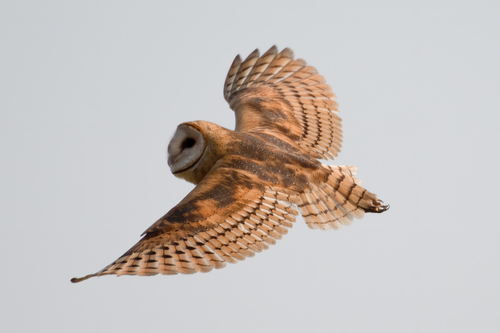 American Barn Owl
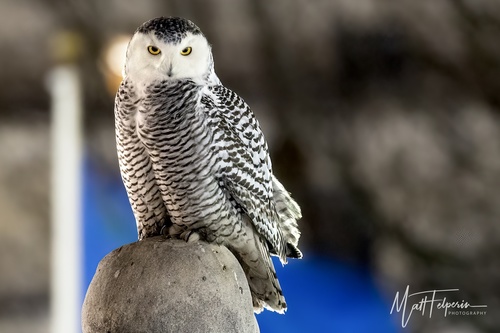 Snowy Owl
In breve
Il segno di campo più affidabile per separare l'American Barn Owl dallo Snowy Owl è il colore generale e la struttura facciale: gli American Barn Owls hanno un volto distintivo a forma di cuore, pallido (spesso bianco) e un corpo pallido, leggermente macchiato, mentre gli Snowy Owls sono più robusti, per lo più bianchi, e hanno una testa rotonda con occhi gialli brillanti. In volo, gli American Barn Owls mostrano ali lunghe e larghe e una coda corta e squadrata, spesso con gambe piumate penzolanti, mentre gli Snowy Owls appaiono più pesanti con ali larghe e una coda rotonda e corta. Gli Snowy Owls giovanili e femminili possono essere fortemente barrati o macchiati, ma non mostrano mai il disco facciale a forma di cuore dell'American Barn Owl. Entrambe le specie possono apparire pallide a distanza, ma la struttura e le caratteristiche facciali sono decisive.
Consigli di identificazione
- Heart-shaped face (Barn Owl only): Gli American Barn Owls hanno un disco facciale distintivo, piatto, a forma di cuore che è bianco brillante o buff, con occhi neri. Gli Snowy Owls hanno una testa rotonda, nessun disco a forma di cuore e occhi gialli.
- Overall color: Gli Snowy Owls sono per lo più bianchi, a volte con forti barre o macchie marroni (soprattutto femmine e giovanili), ma non mostrano mai la fine maculatura o le tonalità marroni/grigie chiare dell'American Barn Owl. Gli American Barn Owls sono pallidi ma mai bianchi puri e mostrano sempre un po' di marrone chiaro o grigio sulla parte superiore.
- Wing and tail pattern (all ages): Gli American Barn Owls hanno ali lunghe e larghe e una coda corta e squadrata con bande marroni chiare e più scure ma senza barre audaci. Gli Snowy Owls hanno ali larghe e una coda corta e rotonda; femmine e giovanili mostrano barre marroni su ali e coda, i maschi sono quasi privi di segni.
- Eye color: Gli American Barn Owls hanno occhi neri; gli Snowy Owls hanno occhi gialli brillanti. Questo è diagnostico a distanza ravvicinata.
- Perched posture: Gli Snowy Owls si posano eretti, apparendo robusti e rotondi, spesso a terra o su pali bassi. Gli American Barn Owls sono più snelli, spesso posati in cavità o su travi.
- Flight style: Gli American Barn Owls volano con un volo galleggiante, ondulato e silenzioso, spesso con le gambe penzolanti. Gli Snowy Owls volano con battiti d'ali forti e diretti e appaiono più pesanti in volo.
- Legs and toes: Gli American Barn Owls hanno lunghe gambe piumate che possono penzolare in volo. Gli Snowy Owls hanno anche gambe piumate, ma le loro gambe sono più corte e meno propense a penzolare.
- Habitat context: Gli American Barn Owls sono associati a strutture umane, terreni agricoli e campagna aperta; gli Snowy Owls sono uccelli della tundra, dei campi aperti e raramente vicino agli edifici.
- Sex and age confusion: Le femmine e i giovanili degli Snowy Owls possono essere fortemente barrati e apparire più scuri, ma non hanno mai il volto a forma di cuore o la fine maculatura dell'American Barn Owl. Le femmine dell'American Barn Owl sono più macchiate sotto, ma mostrano sempre il caratteristico disco facciale.
- Head shape: Gli American Barn Owls hanno un volto piatto e largo; gli Snowy Owls hanno una testa rotonda e compatta.
- Facial markings: Gli Snowy Owls possono mostrare deboli macchie scure sulla corona o intorno al volto, ma mai il contorno uniforme a forma di cuore dell'American Barn Owl.
- Bill and talon color: I becchi degli American Barn Owls sono di un corno pallido a buff scuro; i becchi degli Snowy Owls sono meno visibili ma sono scuri. Il colore delle unghie non è un segno di campo affidabile.
- Voice: Non diagnostico in campo per la separazione; entrambi possono essere silenziosi e i loro richiami sono molto diversi, ma raramente uditi in confronto diretto.
- Molt and feather wear: Non utile per la separazione in campo.
- Seasonal context: Gli Snowy Owls sono probabili solo nelle aree meridionali durante le irruzioni in inverno; gli American Barn Owls sono residenti tutto l'anno in habitat adatti.
Taglia
Lo Snowy Owl è nettamente più grande e robusto dell'American Barn Owl. Anche se qui non sono fornite misurazioni precise, gli Snowy Owls sono descritti come grandi gufi, con una costruzione potente e pesante tipica dei gufi del genere Bubo. Gli American Barn Owls sono di dimensioni medie, con un aspetto più snello ed allungato e una testa e un corpo visibilmente più piccoli rispetto allo Snowy Owl. In campo, lo Snowy Owl appare spesso come un grande e rotondo ammasso quando è posato, mentre l'American Barn Owl è più snello e delicato.
Piumaggio
-
Juveniles and immatures: Gli Snowy Owls giovanili sono di un grigio-marrone scuro sopra con sopracciglia e aree facciali bianche, e sviluppano barre scure su bianco man mano che invecchiano. Possono essere fortemente macchiati o macchiati, specialmente sulla schiena e sulle ali. Gli American Barn Owl giovanili sono coperti di piumino bianco, sviluppando rapidamente il disco facciale a forma di cuore; le loro piume da volo sono di un marrone chiaro con bande più scure, e le parti inferiori sono bianche a buff con fine maculatura.
-
Adults: Gli adulti American Barn Owls sono pallidi nel complesso, con un sottopancia bianco o buff non patternizzato o finemente macchiato, parti superiori di un marrone chiaro a grigio con fine maculatura, e un volto a forma di cuore bianco brillante (a volte marrone). Le remiganti e le retrici sono di un marrone chiaro con bande più scure, ma non mostrano mai barre audaci o macchie pesanti. Gli adulti Snowy Owls sono per lo più bianchi, con i maschi che sono bianchi più puri e le femmine più pesantemente barrate o macchiate di marrone, specialmente sulla corona, sui fianchi e sul petto superiore. Le piume di volo e di coda degli Snowy Owls sono debolmente barrate di marrone nelle femmine e più scarsamente segnate nei maschi. Gli Snowy Owls mancano del disco facciale a forma di cuore e hanno occhi gialli, mentre gli American Barn Owls hanno occhi neri.
-
Sex and age variation: Le femmine dell'American Barn Owl sono più grandi e più pesantemente macchiate sotto rispetto ai maschi, ma entrambi i sessi sono più pallidi e meno segnati rispetto anche alle femmine di Snowy Owl più pallide. I maschi degli Snowy Owls possono essere quasi bianchi puri, ma la maggior parte ha alcune macchie scure; le femmine sono sempre più segnate, ma raramente così pallide come i maschi più bianchi. Alcuni Snowy Owls diventano più pallidi con l'età, ma questo è variabile.
Comportamento
Gli American Barn Owls hanno un volo distintivo ondulato con ali lunghe e larghe e spesso penzolano le loro gambe piumate in volo. Il loro volo è silenzioso e galleggiante, e vengono spesso visti cacciare al crepuscolo o di notte. Gli Snowy Owls sono più propensi ad essere visti posati in aperto durante il giorno, spesso seduti a terra o su posatoi bassi, apparendo come un ammasso bianco. Il loro volo è potente e diretto, con ali larghe e un corpo pesante e rotondo. Gli Snowy Owls sono diurni o crepuscolari, specialmente nell'estate artica, e sono meno propensi ad essere visti volare bassi e in modo erratico come gli American Barn Owls.
Habitat
Gli American Barn Owls si trovano in una vasta gamma di habitat aperti, spesso vicino a terreni agricoli, praterie o paludi, e frequentemente si riposano o nidificano in fienili o altre strutture umane. Gli Snowy Owls sono uccelli della tundra artica aperta, raramente avventurandosi nelle foreste, e in inverno possono essere trovati in campi aperti, dune costiere o aeroporti molto a sud del loro areale di nidificazione. Se vedi un gufo pallido in un fienile, è quasi certamente un American Barn Owl; un gufo pallido sulla tundra o seduto in un campo aperto in inverno è probabilmente uno Snowy Owl.