

african yellow-warbler vs felosa-das-oliveiras
Iduna natalensis versus Hippolais olivetorum
Jogue um quiz com african yellow-warbler e felosa-das-oliveiras
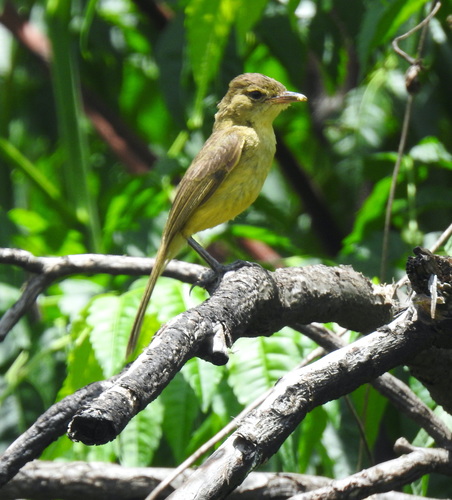 african yellow-warbler
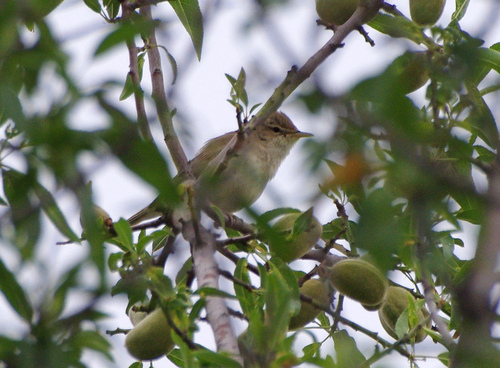 felosa-das-oliveiras
Em resumo
A maneira mais confiável de separar a african yellow-warbler da felosa-das-oliveiras é pela cor geral: a african yellow-warbler é brilhantemente amarela por baixo e amarelo-acinzentada por cima, enquanto a felosa-das-oliveiras é muito mais apagada, com partes superiores cinza-oliva pálidas e partes inferiores esbranquiçadas. Em voo ou empoleirada, procure as asas com bordas amarelas da african yellow-warbler e as partes inferiores amarelas brilhantes, em contraste com o painel de asa pálido da felosa-das-oliveiras e a cauda longa e escura. A estrutura também ajuda: a felosa-das-oliveiras é notavelmente maior e mais pesada, com um bico longo e grosso e cauda mais longa. Os juvenis de ambas as espécies são semelhantes aos adultos, mas os jovens da african yellow-warbler são mais claros por baixo. A cor do bico e a cor das pernas podem ajudar em distâncias curtas.
Dicas de identificação
- Cor das partes inferiores: A african yellow-warbler sempre apresenta partes inferiores amarelas brilhantes (adultos e juvenis), às vezes com um tom oliva nas laterais; a felosa-das-oliveiras é esbranquiçada por baixo, sem tons amarelos em qualquer idade.
- Cor das partes superiores: A african yellow-warbler é amarelo-acinzentada por cima com um rabo mais amarelo, enquanto a felosa-das-oliveiras é cinza-oliva pálida, sem qualquer tom amarelo ou ruivo.
- Padrão das asas: As asas da african yellow-warbler são marrons com bordas amarelas, às vezes apresentando um painel amarelo sutil (especialmente em plumagem nova); a felosa-das-oliveiras tem um painel de asa pálido, mas não é amarelo, e o resto da asa é simples.
- Cor e comprimento da cauda: A felosa-das-oliveiras tem uma cauda longa e cinza escura; a cauda da african yellow-warbler é amarelo-acinzentada e mais curta em proporção ao corpo.
- Estrutura e cor do bico: O bico da felosa-das-oliveiras é longo, grosso e possui uma mandíbula inferior laranja-amarelada conspícua; o bico da african yellow-warbler é mais claro por cima e escuro por baixo, e é mais fino no geral.
- Cor das pernas: A african yellow-warbler tem pernas escuras; a cor das pernas da felosa-das-oliveiras não é especificada, mas não é notada como escura.
- Tamanho: A felosa-das-oliveiras é muito maior e mais pesada (18 cm, 17,5–23 g) do que a african yellow-warbler (13 cm, 10–15 g). Use isso quando vistas lado a lado ou com espécies familiares para escala.
- Plumagem juvenil: O juvenil da african yellow-warbler é mais claro por baixo, mas ainda apresenta tons amarelos; os juvenis da felosa-das-oliveiras não são descritos como amarelos ou claros, então quaisquer partes inferiores amareladas ou claras indicam a african yellow-warbler.
- Diferenças sexuais: A fêmea da african yellow-warbler é mais apagada por baixo, mas ainda amarelada; a felosa-das-oliveiras não apresenta dimorfismo sexual forte na plumagem.
- Visões em voo: Em voo, procure bordas amareladas na asa e um rabo amarelo na african yellow-warbler; a felosa-das-oliveiras mostra um painel de asa pálido, mas carece de tons amarelos e tem uma cauda mais longa e escura.
- Contexto de habitat: Se vista em vegetação densa e úmida na África subsaariana, a african yellow-warbler é mais provável; a felosa-das-oliveiras prefere habitats mais secos e abertos durante a reprodução, mas ambas podem se sobrepor na África durante a migração/inverno.
- Jizz: O tamanho maior da felosa-das-oliveiras, a cauda longa e o bico mais pesado conferem-lhe uma aparência mais robusta e deliberada; a african yellow-warbler é menor, mais ágil e mais leve em construção.
- Cor do bico em campo: A curta distância, a mandíbula inferior laranja-amarelada da felosa-das-oliveiras é distinta; o bico da african yellow-warbler nunca é laranja.
- Armadilhas: Não confie apenas na opacidade geral—african yellow-warblers desbotadas ou desgastadas podem parecer menos brilhantes, mas não mostrarão o contraste pálido cinza-oliva e branco da felosa-das-oliveiras.
- Não diagnóstico: Vocalizações não são descritas nas notas e não devem ser confiadas para separação neste contexto.
Tamanho
A felosa-das-oliveiras é significativamente maior e mais pesada do que a african yellow-warbler. A felosa-das-oliveiras atinge 18 cm de comprimento e pesa 17,5–23 g, enquanto a african yellow-warbler é menor, com 13 cm e 10–15 g. A felosa-das-oliveiras também possui uma envergadura maior (24–26 cm) e uma cauda visivelmente mais longa. No campo, essa diferença de tamanho é frequentemente aparente se ambas as espécies forem vistas em contextos semelhantes.
Plumagem
Os juvenis e adultos da african yellow-warbler são amarelo-acinzentados por cima com um rabo mais amarelo, e têm partes inferiores amarelas brilhantes com um tom oliva nas laterais e flancos. Suas asas são marrons com bordas amarelas, que podem aparecer como um painel amarelo sutil em voo ou quando empoleiradas. Os juvenis são mais claros por baixo, mas ainda mostram tons amarelos. Em contraste, a felosa-das-oliveiras de todas as idades é muito mais apagada: as partes superiores são cinza-oliva pálido, as partes inferiores são esbranquiçadas e há um painel de asa pálido distinto (não com bordas amarelas) em asas de outra forma simples. A cauda é longa e cinza escura. O bico da felosa-das-oliveiras é grosso e possui uma mandíbula inferior laranja-amarelada conspícua, enquanto a african yellow-warbler tem uma mandíbula superior mais clara e uma mandíbula inferior escura. As fêmeas da african yellow-warbler são mais apagadas por baixo, mas ainda amareladas, nunca se aproximando da aparência pálida e desbotada da felosa-das-oliveiras.
Comportamento
Nenhuma diferença comportamental direta é dada nas notas. Ambas são warblers Acrocephalid, provavelmente se movendo ativamente através da vegetação, mas a estrutura pode influenciar seu movimento: o tamanho maior e a cauda mais longa da felosa-das-oliveiras podem conferir-lhe uma aparência mais pesada e deliberada em comparação com a african yellow-warbler, que é menor e mais ágil.
Habitat
A african yellow-warbler é residente na África subsaariana, enquanto a felosa-das-oliveiras se reproduz no sudeste da Europa e no Oriente Próximo, hibernando na África oriental e meridional. Na África, ambas podem ocorrer em regiões semelhantes durante a estação não reprodutiva, mas a felosa-das-oliveiras é uma migrante e menos provável de ser encontrada em habitats densos e úmidos preferidos pela african yellow-warbler. O habitat sozinho nem sempre é diagnóstico onde as distribuições se sobrepõem, mas o contexto pode ajudar.
african yellow-warbler · felosa-das-oliveiras · Minhas aves difíceis