

Zarcero de Natal vs Zarcero Grande
Iduna natalensis frente a Hippolais olivetorum
Juega un quiz con Zarcero de Natal y Zarcero Grande
 Zarcero de Natal
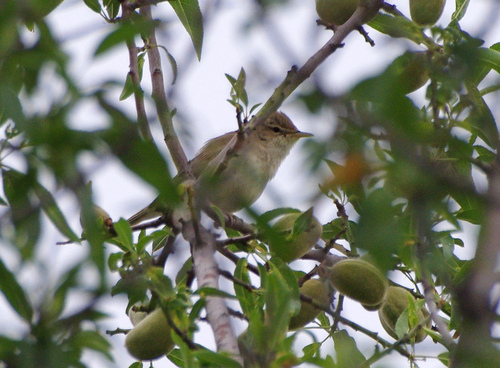 Zarcero Grande
En breve
La forma más fiable de separar el Zarcero de Natal del Zarcero Grande es por el color general: el Zarcero de Natal es de un amarillo brillante por debajo y marrón amarillento por encima, mientras que el Zarcero Grande es mucho más apagado, con partes superiores de un gris oliva pálido y partes inferiores blanquecinas. En vuelo o posado, busca las alas con bordes amarillos del Zarcero de Natal y las partes inferiores de un amarillo brillante, frente al panel de alas pálido y la cola larga y oscura del Zarcero Grande. La estructura también ayuda: el Zarcero Grande es notablemente más grande y pesado, con un pico largo y grueso y una cola más larga. Los juveniles de ambas especies son similares a los adultos, pero los jóvenes del Zarcero de Natal son más color canela por debajo. El color del pico y el color de las patas pueden ayudar a corta distancia.
Consejos de identificación
- Color de las partes inferiores: El Zarcero de Natal siempre muestra partes inferiores de un amarillo brillante (adultos y juveniles), a veces con un lavado oliva en los lados; el Zarcero Grande es blanquecino por debajo sin tonos amarillos a ninguna edad.
- Color de las partes superiores: El Zarcero de Natal es marrón amarillento por encima con un obispillo más amarillo, mientras que el Zarcero Grande es de un gris oliva pálido, careciendo de tonos amarillos o rufo.
- Patrón de alas: Las alas del Zarcero de Natal son marrones con bordes amarillos, a veces dando un panel amarillento sutil (especialmente en plumaje fresco); el Zarcero Grande tiene un panel de alas pálido pero no es amarillo, y el resto del ala es simple.
- Color y longitud de la cola: El Zarcero Grande tiene una cola larga y gris oscura; la cola del Zarcero de Natal es marrón amarillento y más corta en proporción al cuerpo.
- Estructura y color del pico: El pico del Zarcero Grande es largo, grueso y tiene una mandíbula inferior de un naranja-amarillo conspicuo; el pico del Zarcero de Natal es más pálido por encima y negruzco por debajo, y es más fino en general.
- Color de las patas: El Zarcero de Natal tiene patas negruzcas; el color de las patas del Zarcero Grande no está especificado pero no se menciona como negruzco.
- Tamaño: El Zarcero Grande es mucho más grande y pesado (18 cm, 17.5–23 g) que el Zarcero de Natal (13 cm, 10–15 g). Usa esto cuando se vean uno al lado del otro o con especies familiares para escala.
- Plumaje juvenil: El juvenil del Zarcero de Natal es más color canela por debajo pero aún muestra tonos amarillos; los juveniles del Zarcero Grande no se describen como amarillos o canela, así que cualquier parte inferior amarillenta o canela apunta al Zarcero de Natal.
- Diferencias sexuales: La hembra del Zarcero de Natal es más apagada por debajo pero aún amarillenta; el Zarcero Grande no muestra un fuerte dimorfismo sexual en el plumaje.
- Vistas en vuelo: En vuelo, busca bordes amarillentos en el ala y un obispillo amarillo en el Zarcero de Natal; el Zarcero Grande muestra un panel de alas pálido pero carece de tonos amarillos y tiene una cola más larga y oscura.
- Contexto de hábitat: Si se ve en vegetación densa y húmeda en el África subsahariana, es más probable que sea un Zarcero de Natal; el Zarcero Grande prefiere hábitats más secos y abiertos al criar, pero ambos pueden superponerse en África durante la migración/invierno.
- Jizz: El mayor tamaño, la cola larga y el pico más pesado del Zarcero Grande le dan una apariencia más robusta y deliberada; el Zarcero de Natal es más pequeño, más ágil y de construcción más ligera.
- Color del pico en el campo: A corta distancia, la mandíbula inferior naranja-amarilla del Zarcero Grande es distintiva; el pico del Zarcero de Natal nunca es naranja.
- Trampas: No confíes solo en la opacidad general: los Zarcero de Natal descoloridos o desgastados pueden parecer menos brillantes, pero no mostrarán el contraste pálido de gris oliva y blanco del Zarcero Grande.
- No diagnóstico: Las vocalizaciones no se describen en las notas y no deben ser utilizadas para la separación en este contexto.
Tamaño
El Zarcero Grande es significativamente más grande y pesado que el Zarcero de Natal. El Zarcero Grande alcanza 18 cm de longitud y pesa 17.5–23 g, mientras que el Zarcero de Natal es más pequeño, con 13 cm y 10–15 g. El Zarcero Grande también tiene una envergadura más larga (24–26 cm) y una cola notablemente más larga. En el campo, esta diferencia de tamaño es a menudo evidente si ambas especies se ven en contextos similares.
Plumaje
Los Zarcero de Natal juveniles y adultos son marrón amarillento por encima con un obispillo más amarillo, y tienen partes inferiores de un amarillo brillante con un lavado oliva en los lados y flancos. Sus alas son marrones con bordes amarillos, que pueden mostrarse como un panel amarillento sutil en vuelo o cuando están posados. Los juveniles son más color canela por debajo pero aún muestran tonos amarillos. En contraste, el Zarcero Grande de todas las edades es mucho más apagado: las partes superiores son de un gris oliva pálido, las partes inferiores son blanquecinas, y hay un panel de alas pálido distinto (no con bordes amarillos) en alas de otro modo simples. La cola es larga y gris oscura. El pico del Zarcero Grande es grueso y tiene una mandíbula inferior de un naranja-amarillo conspicuo, mientras que el Zarcero de Natal tiene una mandíbula superior más pálida y una mandíbula inferior negruzca. Las hembras del Zarcero de Natal son más apagadas por debajo pero aún amarillentas, nunca acercándose al aspecto pálido y deslavado del Zarcero Grande.
Comportamiento
No se dan diferencias de comportamiento directas en las notas. Ambos son zarcero de la familia Acrocephalidae, propensos a moverse activamente a través de la vegetación, pero la estructura puede influir en su movimiento: el mayor tamaño y la cola más larga del Zarcero Grande pueden darle un jizz más pesado y deliberado en comparación con el más pequeño y ágil Zarcero de Natal.
Hábitat
El Zarcero de Natal es residente en el África subsahariana, mientras que el Zarcero Grande cría en el sureste de Europa y el Cercano Oriente, invernando en el este y sur de África. En África, ambos pueden ocurrir en regiones similares durante la temporada no reproductiva, pero el Zarcero Grande es un migrante y es menos probable que se encuentre en hábitats densos y húmedos preferidos por el Zarcero de Natal. El hábitat por sí solo no siempre es diagnóstico donde las distribuciones se superponen, pero el contexto puede ayudar.