

pica-peixinho-pigmeu vs pica-peixe-riscado
Ispidina picta versus Halcyon chelicuti
Jogue um quiz com pica-peixinho-pigmeu e pica-peixe-riscado
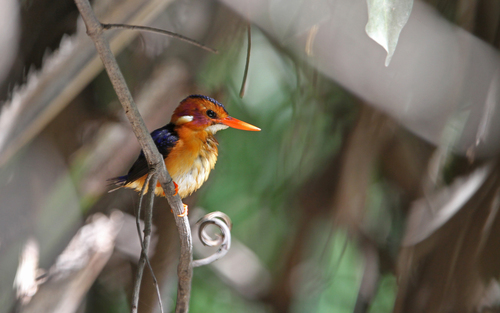 pica-peixinho-pigmeu
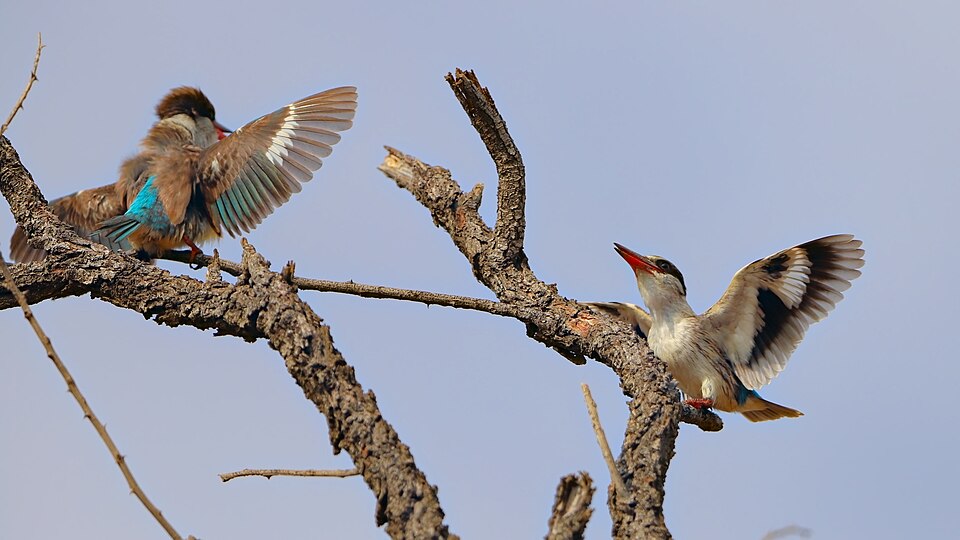 pica-peixe-riscado
Em resumo
A marca de campo mais confiável entre o pica-peixinho-pigmeu e o pica-peixe-riscado é o tamanho e a estrutura geral: o pica-peixe-riscado é muito maior e mais robusto, com um bico mais pesado e uma cauda mais longa, enquanto o pica-peixinho-pigmeu é minúsculo, compacto e colorido de forma vibrante. Em voo, o pica-peixe-riscado exibe azul nas asas e na cauda com uma mancha branca na asa, enquanto o pica-peixinho-pigmeu mostra um dorso e cauda azuis uniformes, sem o padrão de asas contrastante. Os juvenis de ambas as espécies podem ser confusos, mas as partes inferiores ruivas e o dorso azul do pica-peixinho-pigmeu, juntamente com seu pequeno tamanho, o diferenciam do pica-peixe-riscado, que é listrado e acinzentado. A voz e o habitat também ajudam: o pica-peixinho-pigmeu emite um 'tsip-tsip' agudo em florestas, enquanto o pica-peixe-riscado tem um chamado trinado que se propaga longe e prefere áreas abertas.
Dicas de identificação
- O tamanho é o separador mais rápido: o pica-peixe-riscado é mais de duas vezes mais pesado e muito mais longo que o pica-peixinho-pigmeu; use isso sempre que tiver uma comparação direta ou uma noção de escala.
- Estrutura do bico: o pica-peixe-riscado tem um bico visivelmente mais pesado, mais longo (negro por cima, avermelhado por baixo nos adultos); o bico do pica-peixinho-pigmeu é fino e principalmente laranja nos adultos, negro nos juvenis.
- Comprimento da cauda e jizz: o pica-peixe-riscado tem uma cauda mais longa e uma postura mais robusta e ereta; o pica-peixinho-pigmeu é compacto, com uma cauda curta e uma postura mais horizontal.
- Cor das partes superiores: o pica-peixinho-pigmeu é azul brilhante por cima (incluindo dorso e cauda), enquanto o pica-peixe-riscado é marrom-acinzentado por cima, com azul limitado à parte inferior das costas, asas e cauda.
- Cor das partes inferiores: o pica-peixinho-pigmeu é ruivo por baixo; o pica-peixe-riscado é off-white a buff com listras marrons, especialmente no peito e nos lados.
- Padrão da coroa: o pica-peixinho-pigmeu tem uma coroa azul escura; a coroa do pica-peixe-riscado é listrada de marrom escuro sobre um fundo buff ou acastanhado (mais acinzentado nas subespécies do norte).
- Padrão facial: o pica-peixe-riscado tem uma linha preta através do olho e um colar branco ao redor do pescoço; o pica-peixinho-pigmeu não possui essas características, mostrando em vez disso um tom violeta nas coberturas auriculares (menos nos juvenis).
- Coberturas auriculares: os adultos do pica-peixinho-pigmeu têm um tom violeta nas coberturas auriculares; o pica-peixe-riscado não tem, e os juvenis do pica-peixinho-pigmeu mostram menos violeta.
- Padrão das asas em voo: o pica-peixe-riscado mostra uma mancha branca na base das primárias e azul metálico nas asas e na cauda, especialmente visível em voo; o azul do pica-peixinho-pigmeu é mais uniforme e não possui a mancha branca.
- Confusão juvenil: o juvenil do pica-peixinho-pigmeu tem um bico negro e menos violeta nas coberturas auriculares; o juvenil do pica-peixe-riscado é mais pálido, com menos azul nas asas e pontas do peito acinzentadas.
- Vocalização: o chamado do pica-peixinho-pigmeu é um 'tsip-tsip' agudo, facilmente ignorado; o chamado do pica-peixe-riscado é alto, trinado e se propaga longe, frequentemente ouvido ao crepúsculo ou durante exibições.
- Contexto do habitat: o pica-peixinho-pigmeu está quase sempre em florestas densas; o pica-peixe-riscado prefere florestas abertas, savanas ou clareiras arbustivas, frequentemente pousando em locais expostos.
- Comportamento: o pica-peixe-riscado pode exibir-se batendo as asas e levantando a cauda em locais abertos; o pica-peixinho-pigmeu é mais secreto, voando baixo através de coberturas densas.
- Diferenças sexuais: ambas as espécies são semelhantes entre os sexos, mas as fêmeas do pica-peixe-riscado podem ter uma coroa mais marronada; geralmente não é diagnóstico em campo.
- Armadilha: em luz fraca ou à distância, o azul do pica-peixe-riscado nas asas e na cauda pode ser perdido, fazendo-o parecer mais simples; sempre verifique o tamanho, o bico e o padrão facial.
Tamanho
O pica-peixinho-pigmeu é dramaticamente menor, pesando cerca de 14,6 g e medindo 12 cm de comprimento. O pica-peixe-riscado é mais de duas vezes mais pesado, com 37,8 g e muito mais longo, com 16–18 cm. No campo, o pica-peixe-riscado parece visivelmente mais robusto, com um bico mais grosso e uma cauda mais longa. Mesmo à distância, a diferença de tamanho é impressionante—o pica-peixinho-pigmeu parece quase do tamanho de um tentilhão, enquanto o pica-peixe-riscado está mais próximo de um pequeno bico-de-lacre ou um grande pardal em volume.
Plumagem
As plumagens juvenil e adulta diferem distintamente. O juvenil do pica-peixinho-pigmeu é minúsculo, com partes inferiores ruivas, dorso e cauda azuis, e um bico negro (não laranja como nos adultos); o violeta nas coberturas auriculares é reduzido. O juvenil do pica-peixe-riscado é mais pálido que o adulto, com menos azul nas asas, uma coroa mais escura, pontas acinzentadas nas penas do peito e uma mandíbula inferior vermelha opaca. O adulto do pica-peixinho-pigmeu exibe uma combinação impressionante de ruivo por baixo e azul brilhante por cima, com uma coroa azul escura e coberturas auriculares lavadas de violeta; os adultos do pica-peixe-riscado são principalmente marrom-acinzentados por cima, com azul metálico limitado à parte inferior das costas, penas de voo e cauda (mais óbvio em voo), partes inferiores off-white com listras marrons e uma coroa listrada. O pica-peixe-riscado também tem uma linha preta através do olho e um colar branco, características ausentes no pica-peixinho-pigmeu. Em voo, o pica-peixe-riscado mostra uma mancha branca na asa e azul nas asas e na cauda, enquanto o azul do pica-peixinho-pigmeu é mais uniforme e não possui a mancha branca.
Comportamento
O pica-peixinho-pigmeu é frequentemente visto baixo em florestas densas, voando rapidamente entre os poleiros, e é geralmente mais secreto. O pica-peixe-riscado pousa abertamente em árvores em savanas ou florestas abertas, frequentemente levantando a cauda e batendo as asas durante as exibições. A exibição do pica-peixe-riscado inclui enfrentar outro pássaro, com a cauda levantada, e batendo as asas enquanto canta. O pica-peixinho-pigmeu é mais propenso a ser visto sozinho e próximo à cobertura.
Habitat
O pica-peixinho-pigmeu é tipicamente encontrado em habitats de florestas densas, raramente aventurando-se em áreas abertas. O pica-peixe-riscado prefere florestas abertas, savanas e clareiras arbustivas, frequentemente pousando em locais expostos. Se o pássaro estiver em uma floresta densa e sombreada, é mais provável que seja o pica-peixinho-pigmeu; em habitats abertos ou de borda, espera-se o pica-peixe-riscado.
Voz
O pica-peixinho-pigmeu emite um chamado agudo, semelhante a um inseto, 'tsip-tsip', geralmente em voo. O pica-peixe-riscado tem um chamado muito mais alto e que se propaga longe: um 'cheer-cherrrrrr' penetrante ou 'KEW, kerrrrrrrrr', com um trinado descendente. O chamado do pica-peixe-riscado é frequentemente ouvido ao crepúsculo e durante exibições, e é muito mais conspícuo do que o chamado sutil do pica-peixinho-pigmeu.
pica-peixinho-pigmeu · pica-peixe-riscado · Minhas aves difíceis