

african grass-owl vs suindara
Tyto capensis versus Tyto furcata
Jogue um quiz com african grass-owl e suindara
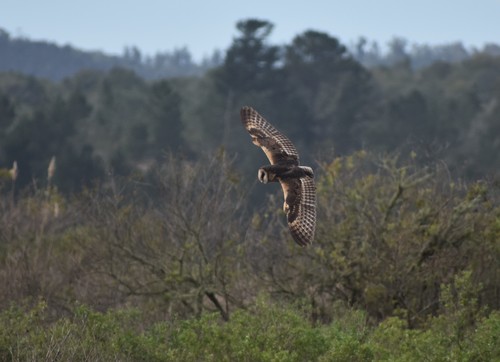 african grass-owl
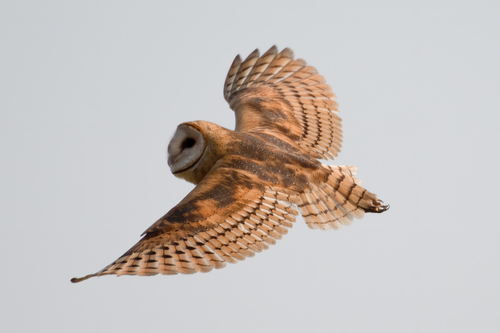 suindara
Em resumo
A marca de campo mais confiável para separar african grass-owl de suindara é a escuridão geral e a uniformidade das partes superiores de cor preto-sujo do african grass-owl, contrastando com as partes superiores tipicamente mais claras e mais variadas do suindara. Em voo ou empoleirado, o african grass-owl exibe um dorso e asas strikingly dark, com pequenas manchas brancas espalhadas, enquanto o suindara é geralmente de um marrom mais claro a cinza acima, com áreas pálidas mais extensas e uma pontuação mais fina. Ambos têm discos faciais em forma de coração, mas o disco do african grass-owl é contornado por uma borda estreita e densamente manchada de amarelo-buff, enquanto o do suindara é geralmente branco brilhante e menos distintamente contornado. As partes inferiores são mais pesadamente manchadas e variáveis no african grass-owl, enquanto as do suindara são mais claras e menos marcadas, especialmente nos machos. As diferenças estruturais são sutis, mas o african grass-owl é ligeiramente maior e mais pesado, especialmente nas fêmeas.
Dicas de identificação
- Coloração das Partes Superiores: O african grass-owl é strikingly sooty-blackish-brown acima com pequenas manchas brancas e manchas cinzentas; o suindara é um marrom mais claro a cinza com pontuação fina em preto e branco, nunca tão escuro ou uniforme quanto o african grass-owl. Esta é a marca de campo mais consistente em todas as idades.
- Disco Facial: O disco facial do african grass-owl é de cor creme-esbranquiçada com uma borda estreita e densamente manchada de amarelo-buff; o do suindara é geralmente branco brilhante com uma borda menos distinta. Procure a borda manchada no african grass-owl de perto.
- Marcação das Partes Inferiores: O african grass-owl sempre mostra manchas escuras nas partes inferiores, que variam de esbranquiçadas a buff; as partes inferiores do suindara são geralmente menos marcadas, especialmente nos machos, e podem ser quase sem manchas em alguns indivíduos. Partes inferiores pesadamente manchadas favorecem o african grass-owl, mas existe sobreposição com fêmeas do suindara manchadas.
- Padrão da Cauda: A cauda do african grass-owl tem penas centrais marrons e penas externas mais claras, quase brancas, com cerca de quatro barras escuras; a cauda do suindara é quadrada, marrom claro com bandas mais escuras, mas não tão contrastantes.
- Penas nas Pernas: As penas brancas das pernas do african grass-owl se estendem mais para baixo nos tarsos do que no suindara, cujas penas tarsometatarsais combinam com as partes inferiores e podem ser menos extensas. Isso é sutil e melhor visto em aves empoleiradas.
- Escuridão Geral/Jizz: Em luz fraca ou à distância, o african grass-owl dá uma impressão muito mais escura e uniforme, enquanto o suindara parece mais claro e mais padronizado. Use isso para separação rápida em voo.
- Tamanho e Volume: O african grass-owl é ligeiramente maior e mais volumoso, especialmente nas fêmeas, mas a sobreposição de tamanho é considerável. Use apenas como uma marca de apoio.
- Estilo de Voo: O suindara frequentemente voa com um padrão ondulante e pernas pendentes; o voo do african grass-owl é menos descrito, mas pode parecer mais pesado e mais direto.
- Habitat: O african grass-owl é restrito a campos de grama alta e densa e pântanos; o suindara é encontrado em uma gama mais ampla de habitats abertos, incluindo terras agrícolas e perto de edifícios. O contexto pode ajudar, mas não é definitivo.
- Voz: O grito do african grass-owl é menos estridente, e a canção do macho é um tremolo sibilante de alta frequência; o grito do suindara é mais alto e mais penetrante. Use apenas se os chamados forem claramente ouvidos.
- Dimorfismo Sexual: Ambas as espécies mostram fêmeas maiores e mais pesadas e partes inferiores mais manchadas nas fêmeas, mas isso não é confiável para separação em campo.
- Cor do Bico e dos Olhos: O african grass-owl tem um bico de cor esbranquiçada a rosa pálido e olhos marrom-escuros; o bico do suindara varia de chifre pálido a buff escuro, e a íris é marrom escura. Estas não são marcas de campo fortes.
- Formato da Cauda: Ambas têm caudas curtas, mas a do suindara é descrita como quadrada; a cauda do african grass-owl pode parecer mais curta e mais graduada devido ao contraste de cor.
- Manchas nas Partes Superiores: As manchas brancas do african grass-owl são espalhadas e pequenas; a pontuação do suindara é mais fina e mais uniformemente distribuída, exceto nas penas principais das asas.
- Quando em Dúvida: Se a ave parecer incomumente escura e estiver em grama alta, suspeite do african grass-owl; se mais clara e em terras agrícolas abertas ou perto de edifícios, o suindara é mais provável.
Tamanho
O african grass-owl é ligeiramente maior e mais pesado em média: comprimento do corpo 38–42 cm, comprimento da asa 283–345 mm e massa 355–520 g, com fêmeas significativamente maiores que machos [wikipedia]. O suindara é uma coruja de tamanho médio, com as maiores fêmeas de algumas raças insulares alcançando mais de 550 g, mas machos típicos são cerca de 10% mais leves que fêmeas [wikipedia]. Na maioria dos encontros em campo, o african grass-owl parecerá um pouco mais volumoso, especialmente no corpo e na cabeça. No entanto, a sobreposição de tamanho é considerável, e a estrutura sozinha não é um separador seguro, a menos que ambos os sexos e a idade sejam conhecidos.
Plumagem
- Voo juvenil/imaturo (asa superior): Nenhuma diferença explícita de padrão de asa superior específica para a idade é descrita para qualquer uma das espécies nas fontes, então a separação depende da coloração geral e da pontuação em todas as idades.
- Adulto e imaturo empoleirado ou em voo: O african grass-owl é uniformemente preto-sujo-marrom acima, com pequenas manchas brancas e manchas cinzentas, criando uma impressão muito mais escura do que o suindara, que é marrom claro a cinza acima com pontuação fina em preto e branco (exceto nas penas principais das asas, que são marrom claro com bandas mais escuras). O disco facial do african grass-owl é de cor creme-esbranquiçada com uma borda estreita e densamente manchada de amarelo-buff; o do suindara é geralmente branco brilhante com uma borda menos distinta. As partes inferiores do african grass-owl são variáveis, de esbranquiçadas a buff, mas sempre com manchas escuras; as partes inferiores do suindara variam de brancas a buff avermelhado, com pontuação variável (fêmeas mais manchadas, machos frequentemente mais simples). A cauda do african grass-owl é curta, com penas centrais marrons e penas externas mais claras, quase brancas, mostrando cerca de quatro barras escuras; a cauda do suindara é curta, quadrada e marrom claro com bandas mais escuras. Ambas têm pernas plumosas, mas as penas das pernas do african grass-owl são brancas e se estendem mais para baixo nos tarsos.
Comportamento
Ambas as espécies são noturnas e caçam em terrenos abertos, mas o african grass-owl está mais estritamente associado a habitats de grama alta e pode ser menos provável de ser visto em ambientes agrícolas ou urbanos em comparação com o adaptável suindara. Em voo, ambas mostram asas longas e uma cauda curta, mas o voo do suindara é descrito como ondulante com pernas pendentes e plumosas, enquanto o voo do african grass-owl é menos bem descrito, mas provavelmente parece mais pesado e mais direto devido à sua construção mais volumosa. Ambas se empoleiram baixo ou no chão, mas o african grass-owl é mais secreto e menos provável de ser visto em campo aberto durante o dia.
Habitat
O african grass-owl está intimamente ligado a campos de grama alta e densa e áreas pantanosas, raramente se aventurando longe desses habitats. O suindara é muito mais adaptável, encontrado em campos abertos, terras agrícolas, campos de grama e até mesmo em áreas urbanas. Se visto em extensas áreas de grama não perturbadas, o african grass-owl é mais provável; em campos agrícolas, celeiros ou perto de habitações humanas, o suindara é muito mais provável.
Voz
Ambas as espécies emitem chamados estridentes, mas o do african grass-owl é menos estridente do que o do suindara. O african grass-owl também emite um tremolo sibilante de alta frequência (1–2 segundos) que se acredita ser a canção do macho. O grito do suindara é mais alto e mais penetrante. No entanto, a voz não é um separador confiável, a menos que o chamado seja claramente ouvido e comparado lado a lado.