

Motmot

ミナミメンフクロウ 対 アメリカメンフクロウ

Tyto capensis 対 Tyto furcata

ミナミメンフクロウとアメリカメンフクロウのクイズ
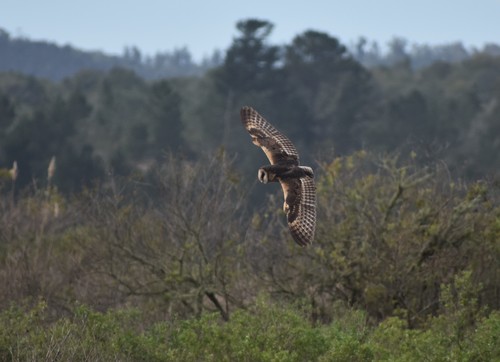
ミナミメンフクロウ (Tyto capensis) ミナミメンフクロウ
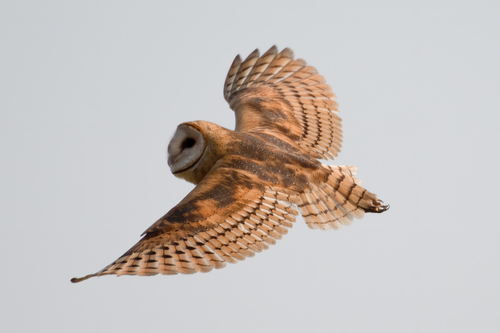
アメリカメンフクロウ (Tyto furcata) アメリカメンフクロウ

メディア

読み込み中…

要点

アフリカミナミメンフクロウとアメリカメンフクロウを区別する最も信頼できるフィールドマークは、ミナミメンフクロウの全体的な暗さと均一なすすき黒っぽい上面であり、通常はより明るく、より多様な上面を持つメンフクロウと対照的です。飛んでいる時や止まっている時、ミナミメンフクロウは小さな白い斑点が散在する非常に暗い背中と翼を示し、メンフクロウは一般的に上面がより明るい茶色から灰色で、より広範囲に明るい部分と細かい斑点があります。両者はハート型の顔の円盤を持っていますが、ミナミメンフクロウのものは狭く、密に斑点のある黄褐色の縁取りがあり、メンフクロウのものは通常明るい白で、あまり明確に縁取られていません。下部はミナミメンフクロウの方がより多くの斑点があり変動がありますが、メンフクロウの下部はより明るく、特にオスではあまり斑点がありません。構造的な違いは微妙ですが、ミナミメンフクロウは特に雌においてやや大きく、重いです。

識別のコツ

  1. Upperparts Coloration: ミナミメンフクロウは小さな白い斑点と灰色の斑点を持つ非常にすすき黒っぽい茶色の上面を持ち、メンフクロウは明るい茶色から灰色で、細かい黒と白の斑点があり、決してミナミメンフクロウのように暗く均一ではありません。これはすべての年齢で最も一貫したフィールドマークです。
  2. Facial Disc: ミナミメンフクロウの顔の円盤は白っぽいクリーム色で、狭く密に斑点のある黄褐色の縁取りがあります。メンフクロウのものは通常明るい白で、あまり明確に縁取られていません。近距離でミナミメンフクロウの斑点のある縁を探してください。
  3. Underparts Markings: ミナミメンフクロウは常に下部に暗い斑点を示し、白っぽいから黄褐色まで変動します。メンフクロウの下部は通常あまり斑点がなく、特にオスでは、いくつかの個体ではほとんど斑点がないこともあります。重い斑点のある下部はミナミメンフクロウを支持しますが、斑点のある雌のメンフクロウとの重複があります。
  4. Tail Pattern: ミナミメンフクロウの尾は茶色の中央の羽と、約4本の暗い帯を持つより明るく、ほぼ白い外側の羽を持っています。メンフクロウの尾は四角形で、明るい茶色で暗い帯がありますが、対照的ではありません。
  5. Leg Feathering: ミナミメンフクロウの白っぽい脚の羽は、メンフクロウよりもタルサスの下まで伸びています。メンフクロウのタルソメタタルスの羽は下部と一致し、あまり広がっていないことがあります。これは微妙で、止まっている鳥で最もよく見られます。
  6. Overall Darkness/Jizz: 光が悪い場合や距離がある場合、ミナミメンフクロウははるかに暗く、より均一な印象を与えますが、メンフクロウはより明るく、よりパターン化されています。これは飛行中の迅速な区別に使用してください。
  7. Size and Bulk: ミナミメンフクロウはやや大きく、特に雌ではよりがっしりしていますが、サイズの重複はかなりあります。これはサポートマークとしてのみ使用してください。
  8. Flight Style: メンフクロウはしばしば波打つパターンで飛び、脚をぶら下げます。ミナミメンフクロウの飛行はあまり記述されていませんが、より重く、より直接的に見えるかもしれません。
  9. Habitat: ミナミメンフクロウは高く密な草原と湿地に制限されており、これらの生息地から遠くに出ることはほとんどありません。メンフクロウは農地や建物の近くを含むより広範囲の開放的な生息地で見られます。文脈は助けになりますが、決定的ではありません。
  10. Voice: ミナミメンフクロウの叫び声はメンフクロウよりも鋭くなく、オスの歌は高音のシビラントトレモロです。メンフクロウの叫び声はより大きく、より鋭いです。呼び声が明確に聞こえる場合にのみ使用してください。
  11. Sexual Dimorphism: 両種はより大きく、重い雌と雌の下部により多くの斑点を示しますが、これはフィールドでの区別には信頼できません。
  12. Bill and Eye Color: ミナミメンフクロウは白っぽいから淡いピンクのくちばしと茶色がかった黒い目を持っています。メンフクロウのくちばしは淡い角から暗い黄褐色まで変動し、虹彩は黒っぽい茶色です。これらは強いフィールドマークではありません。
  13. Tail Shape: 両者は短い尾を持っていますが、メンフクロウの尾は四角形と記述されています。ミナミメンフクロウの尾は色の対比により短く、より段階的に見えることがあります。
  14. Spotting on Upperparts: ミナミメンフクロウの白い斑点は散在していて小さいです。メンフクロウの斑点はより細かく、より均等に分布していますが、主な翼の羽毛を除いてです。
  15. When in Doubt: 鳥が異常に暗く、高い草の中にいる場合はミナミメンフクロウを疑ってください。より明るく、開放的な農地や建物の近くにいる場合は、メンフクロウの可能性が高いです。

大きさ

アフリカミナミメンフクロウは平均してやや大きく、重いです:体長38–42 cm、翼長283–345 mm、質量355–520 gで、雌はオスよりもかなり大きいです [wikipedia]。アメリカメンフクロウは中型のフクロウで、いくつかの島の亜種の最大の雌は550 gを超えますが、典型的なオスは雌より約10%軽いです [wikipedia]。ほとんどのフィールドでの遭遇では、ミナミメンフクロウは体と頭が特にがっしりしているため、ややがっしりして見えるでしょう。ただし、サイズの重複はかなりあり、構造だけでは安全な区別にはなりません。

羽色

行動

両種は夜行性で、開けた地面で狩りをしますが、ミナミメンフクロウは高い草の生息地により厳密に関連しており、適応力のあるメンフクロウと比較して農業や都市環境で見られる可能性が低いです。飛行中、両者は長い翼と短い尾を示しますが、メンフクロウの飛行はぶらぶらした羽毛のある脚で波打つように記述されています。一方、ミナミメンフクロウの飛行はあまり記述されていませんが、より重く、より直接的に見える可能性があります。両者は低い場所や地面に止まりますが、ミナミメンフクロウはより秘密主義で、昼間に開けた場所で見られる可能性が低いです。

生息環境

アフリカミナミメンフクロウは高く密な草原と湿地に密接に結びついており、これらの生息地から遠くに出ることはほとんどありません。アメリカメンフクロウははるかに適応力があり、開放的な田舎、農地、草原、さらには都市部でも見られます。広範囲で手つかずの草原で見られた場合、ミナミメンフクロウの可能性が高く、農地、納屋、または人間の居住地の近くでは、メンフクロウの可能性がはるかに高いです。

声

両種は叫び声を上げますが、ミナミメンフクロウの声はメンフクロウよりも鋭くありません。ミナミメンフクロウはオスの歌と考えられている高音のシビラントトレモロ(1–2秒)も発します。メンフクロウの叫び声はより大きく、より鋭いです。ただし、声は明確に聞こえ、並べて比較しない限り、信頼できる区別にはなりません。

より良い説明を送る

比較と同じ項目を使ってください。文章はすぐに公開されます。

The most reliable field mark to separate African Grass-Owl from American Barn Owl is the overall darkness and uniform sooty-blackish upperparts of the Grass-Owl, contrasting with the typically paler, more variegated upperparts of the Barn Owl. In flight or perched, Grass-Owl shows a strikingly dark back and wings, with scattered small white spots, while Barn Owl is generally paler brown to grey above with more extensive pale areas and finer speckling. Both have heart-shaped facial discs, but Grass-Owl’s is rimmed with a narrow, densely spotted yellowish-buff border, while Barn Owl’s is usually bright white and less distinctly rimmed. Underparts are more heavily spotted and variable in Grass-Owl, while Barn Owl’s are paler and less marked, especially in males. Structural differences are subtle, but Grass-Owl is slightly larger and heavier, especially in females.

  1. Upperparts Coloration: Grass-Owl is strikingly sooty-blackish-brown above with small white spots and greyish flecks; Barn Owl is paler brown to grey with fine black-and-white speckling, never as dark or uniform as Grass-Owl. This is the most consistent field mark at all ages.
  2. Facial Disc: Grass-Owl’s facial disc is whitish-cream with a narrow, densely spotted yellowish-buff rim; Barn Owl’s is usually bright white with a less distinct rim. Look for the spotted rim on Grass-Owl at close range.
  3. Underparts Markings: Grass-Owl always shows dark spots on the underparts, which vary from whitish to buff; Barn Owl’s underparts are usually less marked, especially in males, and can be almost unspotted in some individuals. Heavily spotted underparts favor Grass-Owl, but overlap exists with spotted female Barn Owls.
  4. Tail Pattern: Grass-Owl’s tail has brown central feathers and paler, almost white, outer feathers with about four dark bars; Barn Owl’s tail is squarish, light brown with darker bands, but not as contrasting.
  5. Leg Feathering: Grass-Owl’s whitish leg feathers extend further down the tarsi than in Barn Owl, whose tarsometatarsal feathers match the underparts and may be less extensive. This is subtle and best seen on perched birds.
  6. Overall Darkness/Jizz: In poor light or at a distance, Grass-Owl gives a much darker, more uniform impression, while Barn Owl appears paler and more patterned. Use this for quick separation in flight.
  7. Size and Bulk: Grass-Owl is slightly larger and bulkier, especially in females, but size overlap is considerable. Use only as a supporting mark.
  8. Flight Style: Barn Owl often flies with an undulating pattern and dangling legs; Grass-Owl’s flight is less described but may appear heavier and more direct.
  9. Habitat: Grass-Owl is restricted to tall, dense grasslands and marshes; Barn Owl is found in a wider range of open habitats, including farmland and near buildings. Context can help but is not definitive.
  10. Voice: Grass-Owl’s screech is less strident, and the male’s song is a high-pitched sibilant tremolo; Barn Owl’s screech is louder and more piercing. Use only if calls are clearly heard.
  11. Sexual Dimorphism: Both species show larger, heavier females and more spotted underparts in females, but this is not reliable for field separation.
  12. Bill and Eye Color: Grass-Owl has a whitish to pale pink bill and brownish-black eyes; Barn Owl’s bill varies from pale horn to dark buff, and iris is blackish brown. These are not strong field marks.
  13. Tail Shape: Both have short tails, but Barn Owl’s is described as squarish; Grass-Owl’s tail may appear shorter and more graduated due to the color contrast.
  14. Spotting on Upperparts: Grass-Owl’s white spots are scattered and small; Barn Owl’s speckling is finer and more evenly distributed, except on the main wing feathers.
  15. When in Doubt: If the bird appears unusually dark and is in tall grass, suspect Grass-Owl; if paler and in open farmland or near buildings, Barn Owl is more likely.

African Grass-Owl is slightly larger and heavier on average: body length 38–42 cm, wing length 283–345 mm, and mass 355–520 g, with females significantly larger than males [wikipedia]. American Barn Owl is a medium-sized owl, with the largest females of some island races reaching over 550 g, but typical males are about 10% lighter than females [wikipedia]. In most field encounters, Grass-Owl will appear a bit bulkier, especially in the body and head. However, size overlap is considerable, and structure alone is not a safe separator unless both sexes and age are known.

  • Juvenile/immature flight (upperwing): No explicit age-specific upperwing pattern differences are described for either species in the sources, so separation relies on overall coloration and spotting at all ages.
  • Adult and immature perched or in flight: African Grass-Owl is uniform sooty-blackish-brown above, with small white spots and greyish flecks, creating a much darker impression than American Barn Owl, which is pale brown to grey above with fine black-and-white speckles (except on the main wing feathers, which are light brown with darker bands). Grass-Owl’s facial disc is whitish-cream with a narrow, densely spotted yellowish-buff rim; Barn Owl’s is usually bright white with a less distinct rim. Underparts of Grass-Owl are variable, from whitish to buff, but always with dark spots; Barn Owl underparts range from white to reddish buff, with spotting variable (females more spotted, males often plainer). Grass-Owl’s tail is short with brown central feathers and paler, almost white, outer feathers showing about four dark bars; Barn Owl’s tail is short, squarish, and light brown with darker bands. Both have feathered legs, but Grass-Owl’s leg feathers are whitish and extend further down the tarsi.

Both species are nocturnal and hunt over open ground, but Grass-Owl is more strictly associated with tall grass habitats and may be less likely to be seen in agricultural or urban settings compared to the adaptable Barn Owl. In flight, both show long wings and a short tail, but Barn Owl’s flight is described as undulating with dangling, feathered legs, while Grass-Owl’s flight is less well described but likely appears heavier and more direct due to its bulkier build. Both perch low or on the ground, but Grass-Owl is more secretive and less likely to be seen in the open during the day.

African Grass-Owl is closely tied to tall, dense grasslands and marshy areas, rarely venturing far from such habitats. American Barn Owl is far more adaptable, found in open countryside, farmland, grasslands, and even urban areas. If seen in extensive, undisturbed grassland, Grass-Owl is more likely; in agricultural fields, barns, or near human habitation, Barn Owl is much more probable.

Both species give screeching calls, but Grass-Owl’s is less strident than Barn Owl’s. Grass-Owl also gives a high-pitched sibilant tremolo (1–2 seconds) thought to be the male’s song. Barn Owl’s screech is louder and more piercing. However, voice is not a reliable separator unless the call is clearly heard and compared side by side.

変更を破棄しますか?

保存していない編集があります。今離れると失われます。

ミナミメンフクロウ · アメリカメンフクロウ · 苦手な鳥