

Botswanatrap vs Zwartbuiktrap
Afrotis afraoides versus Lissotis melanogaster
Speel een quiz met Botswanatrap en Zwartbuiktrap
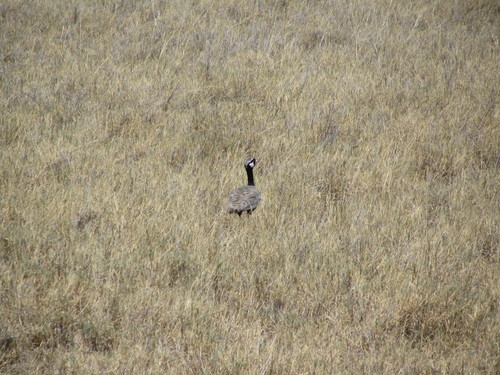 Botswanatrap
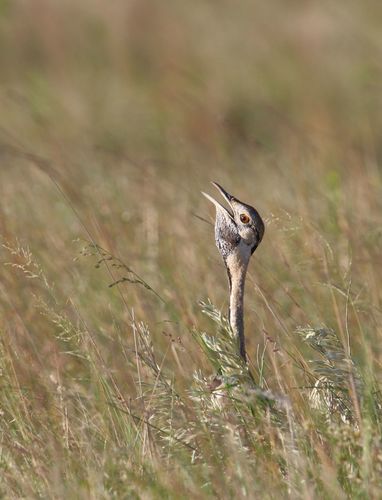 Zwartbuiktrap
Kort gezegd
Het meest betrouwbare veldkenmerk tussen deze twee trappen is de kleur van de primaire veren in de vlucht: Botswanatrap (Afrotis afraoides) toont opvallend witte primairen, terwijl Zwartbuiktrap (Lissotis melanogaster) witte bovenvleugels heeft maar met zwartgetipte vluchtveren en een bruine driehoek aan de basis van de vleugel. Beide soorten hebben zwarte onderdelen bij mannetjes, maar de kleur van de poten en de snavel, evenals het patroon van het hoofd en de nek, helpen om ze te scheiden. Vrouwtjes zijn lastiger, maar de kleur van de poten en het vleugelpatroon blijven nuttig. Let op de context van het habitat en de kleur van de poten als het vleugelpatroon obscuur is.
Herkenningstips
- Kleur van de primaire veren in de vlucht (alle leeftijden): Botswanatrap toont voornamelijk witte primairen, wat een schone witte vleugelflits creëert. Zwartbuiktrap heeft witte bovenvleugels maar met een bruine driehoek aan de basis en zwarte tips op de vluchtveren—let op deze donkere markeringen om Botswanatrap uit te sluiten.
- Kleur van de poten (volwassenen, zittend): Botswanatrap heeft heldergele poten, terwijl de poten van Zwartbuiktrap dofgeel zijn. Dit is vaak zichtbaar wanneer de vogels lopen of staan.
- Kleur van de snavel (volwassenen): Botswanatrap heeft een rode snavel, in contrast met de dofgele snavel van Zwartbuiktrap. De kleur van de snavel kan subtiel zijn op afstand, maar is diagnostisch van dichtbij.
- Patroon van het hoofd en de nek bij mannetjes: Mannetjes Botswanatrap hebben een volledig zwart hoofd en nek, terwijl mannetjes Zwartbuiktrap een buffy bruine nek hebben met een dunne zwarte lijn aan de voorkant, een witte kin en lore, en een opvallend gemarmerd hoofd (zwart, wit, buff). Het contrast is vooral duidelijk in goed licht.
- Bovenste delen van vrouwtjes: Vrouwelijke Botswanatrap is gebarrieerd of gecheckt zwart en buff op het hoofd, de nek, de borst en de bovenste delen, met een zwarte buik. Vrouwelijke Zwartbuiktrap is eenvoudiger buff met donkerbruine vlekken en fijne golvende vermiculaties op nek en borst, zonder de opvallende barriëring van Botswanatrap.
- Juveniele markeringen: Juveniele Zwartbuiktrap is doffer en donkerder, met een donkergrijze kroon en buffvlekken op de vleugel. Juveniele Botswanatrap wordt niet in detail beschreven, maar het witte primaire paneel zou nog steeds aanwezig moeten zijn in de vlucht.
- Bovenste vleugel in de vlucht (volwassenen en onvolwassen): De bovenste vleugel van Botswanatrap is voornamelijk wit, terwijl die van Zwartbuiktrap een bruine driehoek aan de basis en zwarte tips heeft. Dit is een belangrijk kenmerk wanneer vogels opvliegen.
- Onderdelen (mannetjes): Beide hebben zwarte onderdelen, maar het zwart van Botswanatrap strekt zich uit tot het hoofd en de nek, terwijl het zwart van Zwartbuiktrap beperkt is tot de buik en de borst, met een buffy bruine nek.
- Staartpatroon: Zwartbuiktrap heeft een bruine en buff staart met vier of vijf smalle donkerbruine banden, die zichtbaar kunnen zijn wanneer de staart wordt opgefanned. Het staartpatroon van Botswanatrap wordt niet als onderscheidend beschreven.
- Structuur en jizz: Zwartbuiktrap lijkt langernekker en slanker, vooral wanneer alert. Botswanatrap is compacter en rechtop, vooral wanneer hij staat.
- Habitatcontext: Als gezien in hoog gras of na zware regen, is Zwartbuiktrap waarschijnlijker. In open, droger grasland en struikgewas is Botswanatrap waarschijnlijker.
- Geslachtsverschillen: Beide soorten vertonen seksuele dimorfie, maar het patroon van het hoofd en de nek bij mannetjes is een sterke scheider. Vrouwtjes zijn lastiger, maar barriëring (Botswanatrap) versus vlekken/vermiculaties (Zwartbuiktrap) helpt.
- Wanneer markeringen falen: Op lange afstand of in slecht licht, vertrouw op het vleugelpatroon in de vlucht en de kleur van de poten wanneer zittend. Als beide obscuur zijn, kunnen habitat en jizz aanwijzingen bieden, maar wees voorzichtig met overlap in het bereik.
- Valkuilen: Beide soorten kunnen wit op de vleugel tonen, maar alleen Botswanatrap heeft schone witte primairen zonder donkere tips of driehoeken. Vertrouw niet alleen op de kleur van de onderdelen bij mannetjes, aangezien beide zwartbuik kunnen lijken.
- Niet diagnostisch: De stem wordt niet beschreven als een scheider in de bronnen; gebruik geen vocalisaties voor veldscheiding op basis van de huidige informatie.
Grootte
Zwartbuiktrap is de grotere van de twee, met een lengte van 58–65 cm, terwijl de grootte van Botswanatrap niet in de bronnen is gespecificeerd, maar over het algemeen kleiner en compacter is in jizz. Beide zijn middelgrote trappen, maar Zwartbuiktrap lijkt een langere nek en slanker te zijn, vooral wanneer alert. De verhoudingen van snavel en poten zijn vergelijkbaar, maar de kleur verschilt: Botswanatrap heeft heldergele poten en een rode snavel, terwijl Zwartbuiktrap dofgele poten en snavel heeft.
Verenkleed
- In de vlucht (alle leeftijden): Botswanatrap toont voornamelijk witte primairen, wat een gedurfde witte flits op de vleugel geeft. De bovenste vleugel van Zwartbuiktrap is ook wit, maar met een bruine driehoek aan de basis en zwarte tips op de vluchtveren, waardoor het wit minder schoon en meer gemarmerd is.
- Volwassen mannetjes: Beide hebben zwarte onderdelen, maar mannelijke Botswanatrap zijn zwart op hoofd, nek en onderdelen, met zwart-witte barriëring op rug en vleugels. Mannelijke Zwartbuiktrap hebben een buffy bruine nek met een dunne zwarte lijn, een opvallend gemarkeerd hoofd (zwart, wit, buff), en een witte kin en lore; hun bovenste delen zijn tawny buff met zwarte en bruine markeringen.
- Volwassen vrouwtjes: Vrouwelijke Botswanatrap zijn gebarrieerd of gecheckt zwart en buff op hoofd, nek, borst en bovenste delen, met een zwarte buik. Vrouwelijke Zwartbuiktrap zijn eenvoudiger buff met donkerbruine vlekken en fijne golvende vermiculaties op nek en borst; hun onderdelen zijn niet zo duidelijk zwart.
- Juvenielen: Juveniele Zwartbuiktrap zijn doffer en donkerder, met een donkergrijze kroon en buffvlekken op de vleugel. De juveniele pluimage van Botswanatrap wordt niet beschreven, maar het witte primaire paneel zou nog steeds zichtbaar moeten zijn in de vlucht.
Gedrag
Beide soorten zijn grondbewonend en geven de voorkeur aan open land, vaak lopend met een doelgerichte gang. Zwartbuiktrap is vaak meer geheimzinnig en wordt vaak alleen gezien na zware regen, soms in hoger gras of gecultiveerde velden. Botswanatrap is waarschijnlijker te zien in open grasland en struikgewas, vaak rechtop staand en zijn heldere kleur van de poten tonend. Beide vliegen terughoudend op, maar de Botswanatrap kan compacter en minder langgerekt lijken in de vlucht.
Habitat
Botswanatrap is wijdverspreid in open grasland en struikgewas in Zuid-Afrika. Zwartbuiktrap geeft de voorkeur aan savanne, hoog open grasland en gecultiveerde velden, vaak in gebieden met hogere neerslag en soms alleen aanwezig na zware regen. Hun verspreidingsgebieden overlappen in delen van Zuid-Afrika, Zimbabwe en Botswana, maar Zwartbuiktrap is meer verbonden met nattere habitats en kan afwezig zijn in drogere graslanden waar Botswanatrap algemeen is.