

Sisón Negro Aliclaro vs Sisón Ventrinegro Común
Afrotis afraoides frente a Lissotis melanogaster
Juega un quiz con Sisón Negro Aliclaro y Sisón Ventrinegro Común
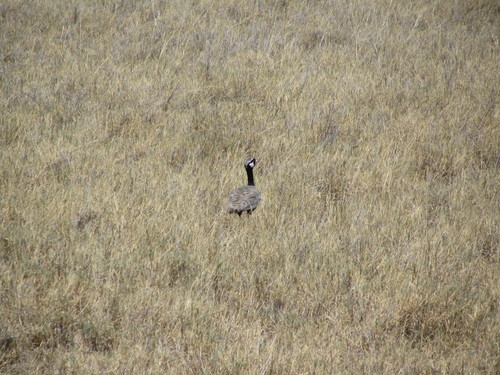 Sisón Negro Aliclaro
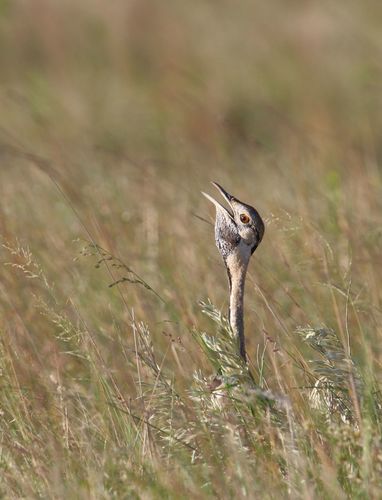 Sisón Ventrinegro Común
En breve
La marca de campo más confiable entre estos dos sisones es el color de las plumas primarias en vuelo: el Sisón Negro Aliclaro (Afrotis afraoides) muestra primarias notablemente blancas, mientras que el Sisón Ventrinegro Común (Lissotis melanogaster) tiene alas superiores blancas pero con plumas de vuelo de punta negra y un triángulo marrón en la base del ala. Ambas especies tienen partes inferiores negras en los machos, pero el color de las patas y el pico, así como el patrón de la cabeza y el cuello, ayudan a separarlos. Las hembras son más complicadas, pero el color de las patas y el patrón de las alas siguen siendo útiles. Presta atención al contexto del hábitat y al color de las patas si el patrón del ala está oscurecido.
Consejos de identificación
- Color de las plumas primarias en vuelo (todas las edades): El Sisón Negro Aliclaro muestra principalmente primarias blancas, creando un destello blanco limpio en el ala. El Sisón Ventrinegro Común tiene alas superiores blancas pero con un triángulo marrón en la base y puntas negras en las plumas de vuelo; busca estas marcas más oscuras para descartar el Sisón Negro Aliclaro.
- Color de las patas (adultos, posados): El Sisón Negro Aliclaro tiene patas de un amarillo brillante, mientras que las patas del Sisón Ventrinegro Común son de un amarillo apagado. Esto es a menudo visible cuando los pájaros están caminando o de pie.
- Color del pico (adultos): El Sisón Negro Aliclaro tiene un pico rojo, en contraste con el pico amarillo apagado del Sisón Ventrinegro Común. El color del pico puede ser sutil a distancia, pero es diagnóstico a corta distancia.
- Patrón de la cabeza y el cuello en machos: Los machos del Sisón Negro Aliclaro tienen una cabeza y un cuello negros sólidos, mientras que los machos del Sisón Ventrinegro Común tienen un cuello marrón claro con una delgada línea negra en la parte delantera, un mentón y lore blancos, y una cabeza con un patrón audaz (negro, blanco, marrón claro). El contraste es especialmente claro con buena luz.
- Partes superiores de las hembras: La hembra del Sisón Negro Aliclaro tiene barras o cuadros negros y marrón claro en la cabeza, el cuello, el pecho y las partes superiores, con un vientre negro. La hembra del Sisón Ventrinegro Común es más sencilla, de un color marrón claro con moteado marrón oscuro y finas vermiculaciones onduladas en el cuello y el pecho, careciendo de las barras audaces del Sisón Negro Aliclaro.
- Marcas juveniles: El juvenil del Sisón Ventrinegro Común es más apagado y oscuro, con una corona gris oscura y manchas marrón claro en el ala. El juvenil del Sisón Negro Aliclaro no se describe en detalle, pero el panel primario blanco aún debería estar presente en vuelo.
- Ala superior en vuelo (adultos e inmaduros): El ala superior del Sisón Negro Aliclaro es mayormente blanca, mientras que la del Sisón Ventrinegro Común tiene un triángulo marrón en la base y puntas negras. Esta es una marca clave cuando los pájaros se asustan.
- Partes inferiores (machos): Ambos tienen partes inferiores negras, pero el negro del Sisón Negro Aliclaro se extiende hasta la cabeza y el cuello, mientras que el negro del Sisón Ventrinegro Común está restringido al vientre y el pecho, con un cuello marrón claro.
- Patrón de la cola: El Sisón Ventrinegro Común tiene una cola marrón y clara con cuatro o cinco bandas estrechas de marrón oscuro, que pueden ser visibles cuando la cola se abre. El patrón de la cola del Sisón Negro Aliclaro no se describe como distintivo.
- Estructura y apariencia: El Sisón Ventrinegro Común parece tener un cuello más largo y es más delgado, especialmente cuando está alerta. El Sisón Negro Aliclaro es más compacto y erguido, especialmente cuando está de pie.
- Contexto del hábitat: Si se ve en hierba alta o después de fuertes lluvias, es más probable que sea un Sisón Ventrinegro Común. En pastizales abiertos y secos y matorrales, es más probable que sea un Sisón Negro Aliclaro.
- Diferencias sexuales: Ambas especies muestran dimorfismo sexual, pero el patrón de la cabeza y el cuello en los machos es un fuerte separador. Las hembras son más complicadas, pero las barras (Sisón Negro Aliclaro) frente al moteado/vermiculaciones (Sisón Ventrinegro Común) ayudan.
- Cuando las marcas fallan: A larga distancia o en mala luz, confía en el patrón del ala en vuelo y el color de las patas cuando están posadas. Si ambos están oscurecidos, el hábitat y la apariencia pueden ofrecer pistas, pero ten cuidado con la superposición en el rango.
- Trampas: Ambas especies pueden mostrar blanco en el ala, pero solo el Sisón Negro Aliclaro tiene primarias blancas limpias sin puntas oscuras o triángulos. No confíes únicamente en el color de las partes inferiores en los machos, ya que ambos pueden parecer de vientre negro.
- No diagnóstico: La voz no se describe como un separador en las fuentes; no uses vocalizaciones para la separación en campo según la información actual.
Tamaño
El Sisón Ventrinegro Común es el más grande de los dos, midiendo entre 58 y 65 cm de longitud, mientras que el tamaño del Sisón Negro Aliclaro no se especifica en las fuentes, pero generalmente es más pequeño y más compacto en apariencia. Ambos son sisones de tamaño mediano, pero el Sisón Ventrinegro Común parece tener un cuello más largo y es más delgado, especialmente cuando está alerta. Las proporciones del pico y las patas son similares, pero el color difiere: el Sisón Negro Aliclaro tiene patas de un amarillo brillante y un pico rojo, mientras que el Sisón Ventrinegro Común tiene patas y pico de un amarillo apagado.
Plumaje
- En vuelo (todas las edades): El Sisón Negro Aliclaro muestra principalmente primarias blancas, dando un fuerte destello blanco en el ala. El ala superior del Sisón Ventrinegro Común también es blanca, pero con un triángulo marrón en la base y puntas negras en las plumas de vuelo, por lo que el blanco es menos limpio y más patrón.
- Machos adultos: Ambos tienen partes inferiores negras, pero los machos del Sisón Negro Aliclaro son negros en la cabeza, el cuello y las partes inferiores, con barras en blanco y negro en la espalda y las alas. Los machos del Sisón Ventrinegro Común tienen un cuello marrón claro con una delgada línea negra, una cabeza con un marcado audaz (negro, blanco, marrón claro) y un mentón y lore blancos; sus partes superiores son de un marrón claro con marcas negras y marrones.
- Hembras adultas: Las hembras del Sisón Negro Aliclaro tienen barras o cuadros negros y marrón claro en la cabeza, el cuello, el pecho y las partes superiores, con un vientre negro. Las hembras del Sisón Ventrinegro Común son más sencillas, de un color marrón claro con moteado marrón oscuro y finas vermiculaciones onduladas en el cuello y el pecho; sus partes inferiores no son tan distintivamente negras.
- Juveniles: Los juveniles del Sisón Ventrinegro Común son más apagados y oscuros, con una corona gris oscura y manchas marrón claro en el ala. El plumaje juvenil del Sisón Negro Aliclaro no se describe, pero el panel primario blanco aún debería ser visible en vuelo.
Comportamiento
Ambas especies son terrestres y prefieren el campo abierto, a menudo caminando con un paso deliberado. El Sisón Ventrinegro Común tiende a ser más secreto y a menudo se ve solo después de fuertes lluvias, a veces en hierba alta o campos cultivados. El Sisón Negro Aliclaro es más probable que se vea en pastizales abiertos y matorrales, a menudo de pie más erguido y mostrando su brillante color de patas. Ambos se asustan con reluctancia, pero el Sisón Negro Aliclaro puede parecer más compacto y menos alargado en vuelo.
Hábitat
El Sisón Negro Aliclaro es común en pastizales abiertos y matorrales en toda el África Austral. El Sisón Ventrinegro Común prefiere sabanas, pastizales altos y campos cultivados, a menudo en áreas con mayor pluviosidad y a veces solo presente después de fuertes lluvias. Sus rangos se superponen en partes del África Austral, Zimbabue y Botswana, pero el Sisón Ventrinegro Común está más vinculado a hábitats más húmedos y puede estar ausente de pastizales más secos donde el Sisón Negro Aliclaro es común.
Sisón Negro Aliclaro · Sisón Ventrinegro Común · Mis aves difíciles