

Townsendstormvogeltje vs Galapagosstormvogeltje
Hydrobates socorroensis versus Hydrobates tethys
Speel een quiz met Townsendstormvogeltje en Galapagosstormvogeltje
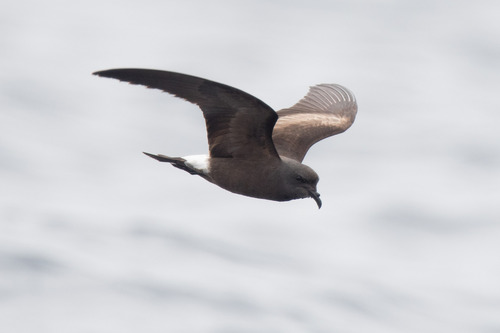 Townsendstormvogeltje
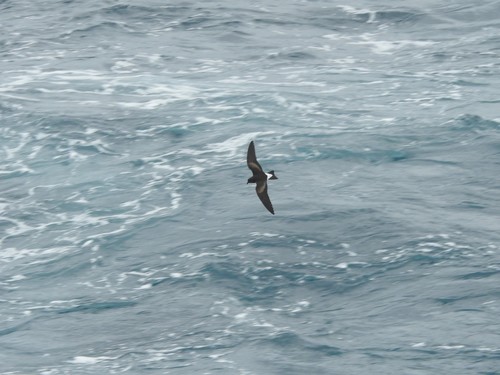 Galapagosstormvogeltje
Kort gezegd
De meest betrouwbare manier om Townsendstormvogeltje van Galapagosstormvogeltje te scheiden is op basis van locatie: Townsend's broedt alleen op Guadalupe Island voor de kust van Mexico en komt voor van het zuiden van Californië, terwijl Galapagosstormvogeltje broedt op de Galápagos en langs de Peruaanse kust. In het veld zijn beide kleine, donkere stormvogeltjes, maar Galapagosstormvogeltje is het beste bekend om zijn kenmerkende lichte wigvormige staartvlek, die ontbreekt bij Townsend's. Als je een stormvogeltje ziet met een duidelijk gedefinieerde lichte wig op de staart, is het Galapagosstormvogeltje; als de staart uniform donker is, is het Townsend's. Andere structurele en gedragsverschillen zijn subtiel en niet goed gedocumenteerd in de beschikbare bronnen.
Herkenningstips
- Staartpatroon is het beste veldkenmerk: Galapagosstormvogeltje toont altijd een lichte wigvormige staartvlek; Townsendstormvogeltje heeft een uniform donkere staart. Dit kenmerk is betrouwbaar voor alle leeftijden en in alle seizoenen.
- Geografische spreiding is zeer diagnostisch: Voor de kust van Californië of westelijk Mexico, verwacht Townsend's; voor Peru of de Galápagos, verwacht Galapagosstormvogeltje. Vagrantie is zeldzaam, dus gebruik de spreiding als primaire filter.
- Algemene kleur: Beide soorten zijn donker over het algemeen, maar alleen Galapagosstormvogeltje heeft een contrasterende lichte staart. Vertrouw niet op subtiele verschillen in donkerheid of glans.
- Geen gedocumenteerde leeftijdspecifieke vleugel- of staartpatronen: Geen van beide soorten vertoont onderscheidende bovenste vleugel- of staartmerken die verschillen per leeftijd, dus focus op het staartpatroon.
- Snavel en structurele kenmerken: Geen betrouwbare verschillen in snavelgrootte, vleugellengte of staartvorm zijn beschreven in de beschikbare bronnen; structuur is geen veilige scheider.
- Vliegstijl: Beide soorten hebben typische stormvogeltje-vlieg- en voedingsgedragingen; gebruik geen jizz of vliegactie om ze te scheiden.
- Zittende weergaven: Het staartkenmerk is zichtbaar wanneer ze zitten, evenals in de vlucht; een lichte wig op de staart geeft altijd Galapagosstormvogeltje aan.
- Geslacht en seizoensvariatie: Er zijn geen seksuele of seizoensgebonden verenkleedverschillen relevant voor identificatie gedocumenteerd voor beide soorten.
- Stem: Er zijn geen vocale verschillen beschreven in de beschikbare bronnen; gebruik geen roep of zang voor scheiding.
- Valkuilen: In slecht licht of op afstand kan de lichte staart van Galapagosstormvogeltje gemist worden, waardoor het uniform donker lijkt zoals Townsend's. Probeer altijd een duidelijk zicht op de staart te krijgen in goed licht.
- Onvolwassen vogels: Zelfs juvenielen en onvolwassenen van Galapagosstormvogeltje tonen de lichte staart; Townsend's van alle leeftijden missen dit.
- Context: Als je op een pelagische reis bent, controleer dan de verwachte soorten voor jouw locatie en seizoen—dit zal meestal verwarring tussen deze twee oplossen.
- Gebruik geen subtiele verschillen: Probeer deze soorten niet te scheiden op basis van kleine verschillen in grootte, donkerheid of vliegstijl; deze worden niet ondersteund door de beschikbare gegevens.
- Checklistbenadering: Als je een stormvogeltje ziet met een lichte wigvormige staart ergens in de oostelijke Stille Oceaan ten zuiden van Mexico, is het bijna zeker Galapagosstormvogeltje. Als de staart donker is en je bent ten noorden van de Galápagos, is het Townsend's.
- Samenvattingstip: Geef altijd prioriteit aan het staartpatroon en de locatie boven alle andere kenmerken bij het scheiden van deze twee soorten.
Grootte
Beide soorten zijn kleine stormvogeltjes in het geslacht Hydrobates, en er zijn geen grootteverschillen opgemerkt in de beschikbare bronnen. Verwacht vergelijkbare verhoudingen en massa in het veld; grootte is geen nuttige scheider tussen deze twee.
Verenkleed
Het belangrijkste verschil in verenkleed is de staart: Galapagosstormvogeltje van alle leeftijden toont een opvallende lichte wigvormige staartvlek, zichtbaar zowel in de vlucht als wanneer ze zitten. Townsendstormvogeltje heeft daarentegen een uniform donkere staart zonder lichte vlek. Dit verschil geldt voor zowel volwassenen als onvolwassenen. Er zijn geen leeftijdspecifieke verschillen in bovenste vleugel- of staartpatronen gedocumenteerd in de bronnen voor beide soorten. Beide zijn verder donker over het algemeen, typisch voor de groep, maar het staartpatroon is diagnostisch.
Gedrag
Beide soorten zijn pelagisch en vertonen typische stormvogeltje-vlucht: fladderen, stuiteren en soms op het water patteren. Er zijn geen onderscheidende gedragsverschillen gedocumenteerd in de beschikbare bronnen. Vliegstijl en voedingsgedrag zijn niet betrouwbaar voor het scheiden van deze twee.
Habitat
Townsendstormvogeltje broedt exclusief op Guadalupe Island voor de westkust van Mexico en komt voor van het zuiden van Californië en naar het zuiden tot 10°N in de oostelijke Stille Oceaan. Galapagosstormvogeltje broedt op de Galápagos-eilanden en langs de kust van Peru. Als je vogels kijkt voor de kust van Californië of Mexico, wordt Townsend's verwacht; voor Ecuador, Peru of de Galápagos is Galapagosstormvogeltje de standaard. Overlap op zee is onwaarschijnlijk, dus locatie is een sterke aanwijzing.
Townsendstormvogeltje · Galapagosstormvogeltje · Mijn lastige vogels