

Motmot

タウンゼンドウミツバメ 対 ガラパゴスウミツバメ

Hydrobates socorroensis 対 Hydrobates tethys

タウンゼンドウミツバメとガラパゴスウミツバメのクイズ
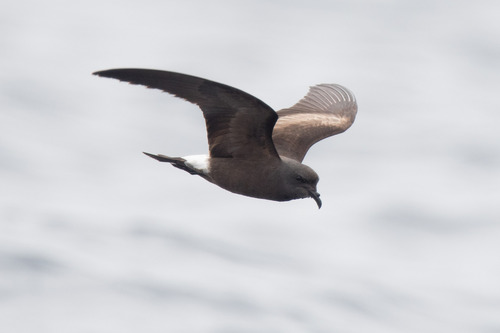
タウンゼンドウミツバメ (Hydrobates socorroensis) タウンゼンドウミツバメ
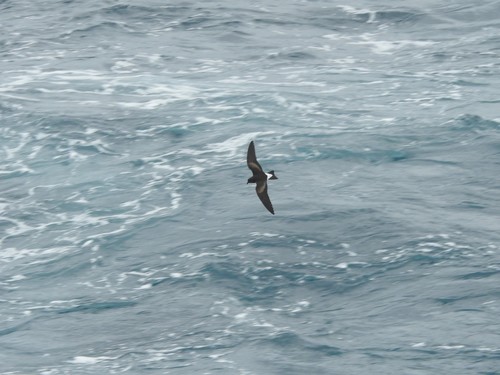
ガラパゴスウミツバメ (Hydrobates tethys) ガラパゴスウミツバメ

メディア

読み込み中…

要点

タウンゼンドウミツバメとガラパゴスウミツバメを区別する最も信頼できる方法は、場所によるものです:タウンゼンドはメキシコのグアダルーペ島でのみ繁殖し、南カリフォルニアまで北上しますが、ガラパゴスはガラパゴス諸島とペルー沿岸で繁殖します。現地では、両者は小さくて暗いウミツバメですが、ガラパゴスは特徴的な淡いくさび形の尾羽の斑点で知られており、タウンゼンドにはありません。尾羽に明確に定義された淡いくさびが見える場合はガラパゴスであり、尾羽が均一に暗い場合はタウンゼンドです。他の構造的および行動的な違いは微妙であり、利用可能な情報源では十分に文書化されていません。

識別のコツ

  1. 尾羽の模様は最も良いフィールドマークです: ガラパゴスウミツバメは常に淡いくさび形の尾羽の斑点を示します;タウンゼンドウミツバメは均一に暗い尾羽を持っています。このマークはすべての年齢とすべての季節で信頼できます。
  2. 地理的範囲は非常に診断的です: カリフォルニアまたはメキシコ西部ではタウンゼンドを期待し、ペルーまたはガラパゴスではガラパゴスを期待します。迷子は稀なので、範囲を主要なフィルターとして使用してください。
  3. 全体の色合い: 両種は全体的に暗いですが、ガラパゴスだけが対照的な淡い尾羽を持っています。暗さや光沢の微妙な違いに頼らないでください。
  4. 年齢特有の翼や尾のパターンは文書化されていません: どちらの種も年齢によって異なる特徴的な上翼や尾のマークを示すことは報告されていないので、尾羽の模様に焦点を当ててください。
  5. くちばしと構造的特徴: 利用可能な情報源では、くちばしのサイズ、翼の長さ、または尾の形に信頼できる違いは記載されていません;構造は安全な区別ではありません。
  6. 飛行スタイル: 両種は典型的なウミツバメの飛行と採餌行動を持っています;それらを区別するためにジズや飛行動作を使用しないでください。
  7. 止まっているときの視点: 尾羽のマークは、飛行中だけでなく止まっているときにも見えます;尾羽に淡いくさびがある場合は常にガラパゴスを示します。
  8. 性別と季節的変動: どちらの種にも識別に関連する性的または季節的な羽毛の違いは文書化されていません。
  9. 声: 利用可能な情報源では声の違いは記載されていません;区別のために呼び声や歌を使用しないでください。
  10. 落とし穴: 照明が悪い場合や遠くからの視界では、ガラパゴスの淡い尾羽が見逃され、タウンゼンドのように均一に暗く見えることがあります。常に良い光の中で尾羽の明確な視界を試みてください。
  11. 未成熟の鳥: ガラパゴスの幼鳥や未成熟の個体でも淡い尾羽を示します;タウンゼンドはすべての年齢でそれを欠いています。
  12. 文脈: もしあなたが外洋旅行をしているなら、あなたの場所と季節に期待される種を確認してください—これにより通常はこの二つの混乱が解決されます。
  13. 微妙な違いを使用しないでください: サイズ、暗さ、または飛行スタイルの微小な違いでこれらの種を区別しようとしないでください;これらは利用可能なデータによって支持されていません。
  14. チェックリストアプローチ: メキシコ南部の東太平洋のどこかで淡いくさび形の尾羽を持つウミツバメを見た場合、それはほぼ確実にガラパゴスです。尾羽が暗く、あなたがガラパゴスの北にいる場合、それはタウンゼンドです。
  15. 要約のヒント: これらの二つの種を区別する際には、常に尾羽の模様と場所を他のすべてのマークよりも優先してください。

大きさ

両種はHydrobates属の小さなウミツバメであり、利用可能な情報源ではサイズの違いは記載されていません。現地では似たような比率と質量を期待してください;サイズはこれら二つの間で有用な区別ではありません。

羽色

主要な羽毛の違いは尾羽です:すべての年齢のガラパゴスウミツバメは目立つ淡いくさび形の尾羽の斑点を示し、飛行中および止まっているときに見えます。対照的に、タウンゼンドウミツバメは均一に暗い尾羽を持ち、淡い斑点はありません。この違いは大人と未成熟の両方に適用されます。どちらの種についても年齢特有の上翼や尾のパターンの違いは情報源に文書化されていません。両者はそれ以外は全体的に暗く、グループの典型的ですが、尾羽の模様は診断的です。

行動

両種は外洋性であり、典型的なウミツバメの飛行を示します:ひらひら、跳ねる、時には水面を叩くように飛ぶ。利用可能な情報源では特に行動の違いは文書化されていません。飛行スタイルと採餌行動はこれら二つを区別するためには信頼できません。

生息環境

タウンゼンドウミツバメはメキシコ西部のグアダルーペ島でのみ繁殖し、南カリフォルニアまで北上し、東太平洋の10°Nまで南下します。ガラパゴスウミツバメはガラパゴス諸島とペルー沿岸で繁殖します。カリフォルニアまたはメキシコでバードウォッチングをしている場合、タウンゼンドが期待されます;エクアドル、ペルー、またはガラパゴスではガラパゴスがデフォルトです。海上での重複は考えにくいため、場所は強い手がかりです。

より良い説明を送る

比較と同じ項目を使ってください。文章はすぐに公開されます。

The most reliable way to separate Townsend's Storm-Petrel from Wedge-rumped Storm-Petrel is by location: Townsend's breeds only on Guadalupe Island off Mexico and ranges north to southern California, while Wedge-rumped breeds in the Galápagos and along the Peruvian coast. In the field, both are small, dark storm-petrels, but Wedge-rumped is best known for its distinctive pale wedge-shaped rump patch, which is absent in Townsend's. If you see a storm-petrel with a clearly defined pale wedge on the rump, it is Wedge-rumped; if the rump is uniformly dark, it is Townsend's. Other structural and behavioral differences are subtle and not well documented in the available sources.

  1. Rump pattern is the single best field mark: Wedge-rumped Storm-Petrel always shows a pale wedge-shaped rump patch; Townsend's Storm-Petrel has a uniformly dark rump. This mark is reliable for all ages and in all seasons.
  2. Geographic range is highly diagnostic: Off California or western Mexico, expect Townsend's; off Peru or the Galápagos, expect Wedge-rumped. Vagrancy is rare, so use range as a primary filter.
  3. Overall coloration: Both species are dark overall, but only Wedge-rumped has a contrasting pale rump. Do not rely on subtle differences in darkness or gloss.
  4. No documented age-specific wing or tail patterns: Neither species is reported to show distinctive upperwing or tail marks that differ by age, so focus on rump pattern.
  5. Bill and structural features: No reliable differences in bill size, wing length, or tail shape are described in the available sources; structure is not a safe separator.
  6. Flight style: Both species have typical storm-petrel flight and feeding behavior; do not use jizz or flight action to separate them.
  7. Perched views: The rump mark is visible when perched as well as in flight; a pale wedge on the rump always indicates Wedge-rumped.
  8. Sex and seasonal variation: No sexual or seasonal plumage differences relevant to identification are documented for either species.
  9. Voice: No vocal differences are described in the available sources; do not use calls or songs for separation.
  10. Pitfalls: In poor light or distant views, the pale rump of Wedge-rumped can be missed, making it appear uniformly dark like Townsend's. Always try for a clear view of the rump in good light.
  11. Immature birds: Even juveniles and immatures of Wedge-rumped show the pale rump; Townsend's of all ages lack it.
  12. Context: If you are on a pelagic trip, check the expected species for your location and season—this will usually resolve confusion between these two.
  13. Do not use subtle differences: Do not attempt to separate these species by minor differences in size, darkness, or flight style; these are not supported by the available data.
  14. Checklist approach: If you see a storm-petrel with a pale wedge-shaped rump anywhere in the eastern Pacific south of Mexico, it is almost certainly Wedge-rumped. If the rump is dark and you are north of the Galápagos, it is Townsend's.
  15. Summary tip: Always prioritize rump pattern and location above all other marks when separating these two species.

Both species are small storm-petrels in the genus Hydrobates, and no size differences are noted in the available sources. Expect similar proportions and mass in the field; size is not a useful separator between these two.

The key plumage difference is the rump: Wedge-rumped Storm-Petrel of all ages shows a conspicuous pale wedge-shaped rump patch, visible both in flight and when perched. Townsend's Storm-Petrel, by contrast, has a uniformly dark rump with no pale patch. This difference applies to adults and immatures alike. No age-specific upperwing or tail pattern differences are documented in the sources for either species. Both are otherwise dark overall, typical of the group, but the rump pattern is diagnostic.

Both species are pelagic and exhibit typical storm-petrel flight: fluttering, bounding, and sometimes pattering on the water. No distinctive behavioral differences are documented in the available sources. Flight style and feeding behavior are not reliable for separating these two.

Townsend's Storm-Petrel breeds exclusively on Guadalupe Island off western Mexico and ranges north to southern California and south to 10°N in the eastern Pacific. Wedge-rumped Storm-Petrel breeds in the Galápagos Islands and along the coast of Peru. If you are birding off California or Mexico, Townsend's is expected; off Ecuador, Peru, or the Galápagos, Wedge-rumped is the default. Overlap at sea is unlikely, so location is a strong clue.

変更を破棄しますか?

保存していない編集があります。今離れると失われます。

タウンゼンドウミツバメ · ガラパゴスウミツバメ · 苦手な鳥