

Vlekduif vs Guirakoekoek
Patagioenas maculosa versus Guira guira
Speel een quiz met Vlekduif en Guirakoekoek
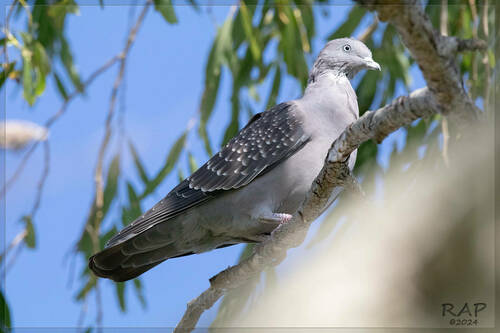 Vlekduif
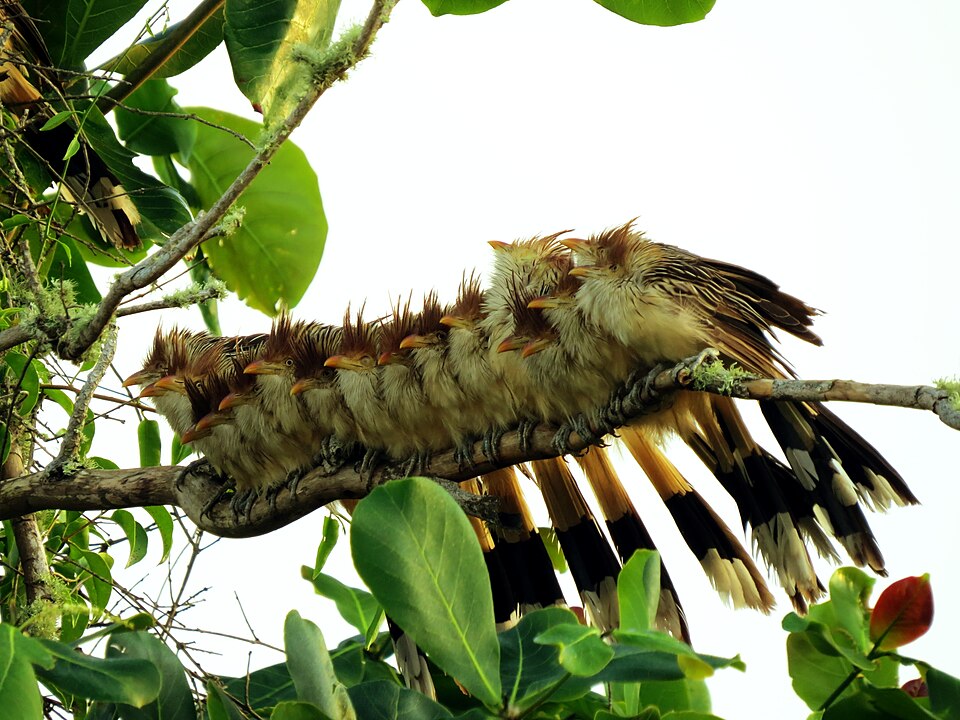 Guirakoekoek
Kort gezegd
Het meest betrouwbare veldkenmerk om Vlekduif van Guirakoekoek te scheiden, zijn de gedurfde, romige witte vlekken op de donkere vleugelbedekking van de duif en een opvallende witte vleugelband (vooral in P. m. albipennis), zichtbaar zowel zittend als in de vlucht, in tegenstelling tot de gestreepte donkerbruine bovenzijde van de koekoek en de lange, witgetipte staart. Juveniele verenkleed is niet dramatisch anders dan dat van volwassenen in beide soorten, maar de vlekvlekken van de duif en de algehele structuur blijven op alle leeftijden onderscheidend. Guirakoekoek is veel lichter van lichaam, met een prominente oranje-roestkleurige kuif, gele snavel en oogring, en een lange, brede staart, wat het een heel andere uitstraling geeft dan de compacte, zware duif. In het veld wordt de duif meestal gezien terwijl hij op de grond in groepen voedt, terwijl de koekoek vaak luidruchtig, boombewonend is en in losse groepen beweegt.
Herkenningstips
- Let op de gedurfde witte vlekken en/of witte vleugelband op de opgevouwen vleugel van Vlekduif (alle leeftijden, vooral P. m. albipennis). Guirakoekoek toont deze kenmerken nooit; zijn bovenvleugel is gestreept bruin zonder lichte vlekken of banden.
- Controleer de algehele structuur: Vlekduif is gedrongen en zwaar van lichaam, met een korte nek en brede vleugels. Guirakoekoek is slanker, met een lange, brede staart en een meer langwerpige uitstraling.
- Staartvorm en patroon: De duif heeft een donkergrijze, relatief korte staart, terwijl de staart van de koekoek lang, breed, donkerbruin is met een opvallende witte punt (alle leeftijden).
- Hoofd en kuif: Guirakoekoek heeft een prominente oranje-roestkleurige kuif, vaak opgeheven, en een gele tot oranje snavel en oogring. Vlekduif mist een kuif en heeft een eenvoudige, grijzige kop (purperachtig-roze bij nominatieve mannetjes).
- Snavel kleur: De snavel van de duif is donker, terwijl die van de koekoek geel tot oranje is.
- Oogring: Guirakoekoek heeft een dunne, veerloze gele oogring; Vlekduif heeft dat niet.
- Verenkleur: Vlekduif heeft een combinatie van dof purperachtig-roze (nominatief) of blauw-grijs (albipennis) op het hoofd en de onderdelen, met romige witte vlekvlekken. Guirakoekoek is boven gestreept bruin en onder witachtig-buff, zonder roze of blauw-grijze tinten.
- Juveniele verwarring: De juvenielen van beide soorten zijn doffer dan volwassenen, maar de vlekvlekken van de duif blijven bestaan (hoewel minder scherp), terwijl de strepen en het staartpatroon van de koekoek vanaf jonge leeftijd aanwezig zijn.
- Vluchtstijl: Vlekduif vliegt sterk en direct, vaak in groepen; de vlucht van Guirakoekoek is zwak, fladderig en bestrijkt korte afstanden.
- Gedrag: De duif wordt meestal gezien op de grond in open gebieden, voeden in groepen. De koekoek is meer boombewonend, zit in bomen of struiken, en is vaak luidruchtig en sociaal.
- Vocalisaties: Een luide, scherpe, jammerende of fluitende roep wijst op Guirakoekoek. De roepen van de duif zijn lager en meer gedempt.
- Habitatcontext: In stedelijke parken of tuinen, vooral in het oosten van Zuid-Amerika, is Guirakoekoek waarschijnlijker. In open velden of landbouwgrond, vooral in het zuiden van Zuid-Amerika, is Vlekduif waarschijnlijker.
- Seksverschillen: Beide soorten vertonen weinig seksuele dimorfie in het veld, hoewel het vrouwtje van Guirakoekoek iets groter is en het vrouwtje van Vlekduif een doffer hoofd heeft.
- Groepssamenstelling: Beide kunnen in groepen worden gezien, maar de groepen van de duif zijn vaak compact en voeden zich op de grond, terwijl de groepen van de koekoek losser, boombewonend en zeer vocaal zijn.
- Geuroverlast: Guirakoekoek staat bekend om een sterke, doordringende geur (geen veldkenmerk voor de meeste waarnemers, maar uniek onder deze twee).
Grootte
Vlekduif is een veel zwaardere vogel, met volwassenen die 308–347 g wegen (nominatieve ondersoort) vergeleken met de 134 g van Guirakoekoek. Beide soorten zijn vergelijkbaar in lengte (32–34 cm), maar de duif is gedrongen en robuuster, terwijl de koekoek slanker is met een proportioneel langere staart. De bulk van de duif is vooral duidelijk wanneer hij zit of op de grond loopt, terwijl de koekoek slanker en lichter lijkt.
Verenkleed
-
Juveniel en onvolwassen verenkleed: De juvenielen van beide soorten lijken op volwassenen maar zijn doffer. Juvenielen van Vlekduif hebben saaie grijze koppen en borsten, maar tonen nog steeds de lichte vlekvlekken (hoewel minder scherp), terwijl juvenielen van Guirakoekoek slechts iets doffer zijn dan volwassenen en de gestreepte bovenzijde en lange, witgetipte staart behouden.
-
Volwassen verenkleed: Vlekduif (nominatief) heeft een dof purperachtig-roze hoofd en borst, grijze onderdelen, donkerbruine bovenrug en vleugelbedekking met romige witte vlekken, en een blauwgrijze stuit. De opgevouwen vleugel toont een gedurfde witte band in P. m. albipennis. Guirakoekoek heeft donkerbruine bovenparts gestreept met wit, een witachtig-buff keel en onderdelen, een lange donkerbruine staart met een witte punt, en een prominente oranje-roestkleurige kuif. Het vleugelpatroon van de duif is diagnostisch: let op de lichte vlekken en/of witte band, die nooit op de koekoek aanwezig zijn.
-
In vlucht: De vleugels van de duif zijn meestal zwart boven met lichte vlekken en een witte band (vooral in P. m. albipennis), in contrast met de eenvoudige, gestreepte bruine bovenvleugel van Guirakoekoek en de lange, brede, witgetipte staart.
Gedrag
Vlekduif wordt typisch gezien terwijl hij in groepen op de grond voedt, met een zware, doelbewuste gang. In de vlucht is hij sterk en direct, met brede vleugels en een constante, doelgerichte vlucht. Guirakoekoek is sociaal, vaak in luidruchtige groepen, en is meer boombewonend, springend of glijdend tussen zitplaatsen en soms op de grond foeragerend. Zijn vlucht is zwak en fladderig, meestal slechts korte afstanden bestrijkend. De koekoek staat ook bekend om zijn opvallende, scherpe vocalisaties en frequente kuifoprichting.
Habitat
Beide soorten komen voor in open of semi-open habitats in Zuid-Amerika, maar Vlekduif is waarschijnlijker in landbouwvelden, graslanden en open gebieden, vooral in het zuiden van Zuid-Amerika. Guirakoekoek geeft de voorkeur aan open en semi-open gebieden, waaronder voorstedelijke parken en tuinen, en zijn verspreiding is uitgebreid met ontbossing. De koekoek is waarschijnlijker te zien in bomen of struiken, terwijl de duif meestal op de grond of zittend in open gebieden is.
Geluid
Guirakoekoek heeft een luide, lange, scherpe roep die wordt beschreven als een kruising tussen een fluit en een jammer, vaak in koor gegeven door groepen. De vocalisaties van Vlekduif zijn niet beschreven in de verstrekte aantekeningen, maar duiven hebben over het algemeen lage, cooing roepen, die heel anders zijn dan de rauwe, hoge geluiden van de koekoek. In het veld is het horen van een scherpe, jammerende roep een sterke indicator van Guirakoekoek.