

Motmot

シロボシバト 対 アマゾンカッコウ

Patagioenas maculosa 対 Guira guira

シロボシバトとアマゾンカッコウのクイズ
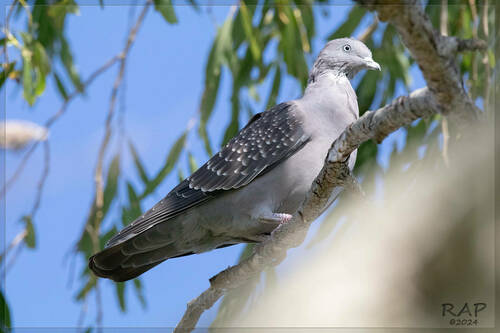
シロボシバト (Patagioenas maculosa) シロボシバト
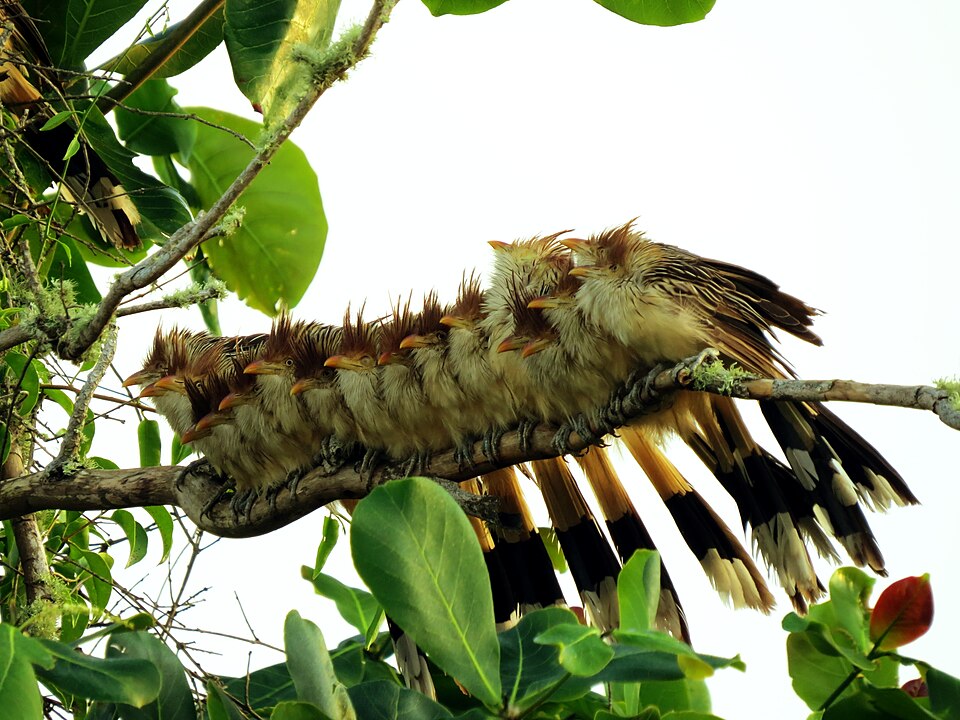
アマゾンカッコウ (Guira guira) アマゾンカッコウ

メディア

読み込み中…

要点

シロボシバトとアマゾンカッコウを区別する最も信頼できるフィールドマークは、シロボシバトの濃い翼覆いにある大胆なクリーミーな白い斑点と目立つ白い翼帯(特にP. m. albipennisで)、止まっている時と飛んでいる時の両方で見えるのに対し、カッコウは縞模様の濃い茶色の上面と長い白い先端の尾を持つことです。幼鳥の羽毛はどちらの種でも成鳥と劇的に異なるわけではありませんが、シロボシバトの翼の斑点と全体的な構造はすべての年齢で独特です。アマゾンカッコウは体がはるかに軽く、目立つオレンジがかった赤褐色の冠、黄色いくちばしとアイリング、長く幅のある尾を持ち、コンパクトで重いシロボシバトとは非常に異なる印象を与えます。フィールドでは、シロボシバトは通常、群れで地面で餌を食べているのが見られ、一方カッコウはしばしば騒がしく、樹上性で、緩やかなグループで移動します。

識別のコツ

  1. シロボシバトの折りたたまれた翼にある大胆な白い斑点や白い翼帯を探してください(すべての年齢、特にP. m. albipennis)。 アマゾンカッコウはこれらのマークを決して示しません; その上翼は茶色の縞模様で、淡い斑点や帯はありません。
  2. 全体的な構造を確認してください: シロボシバトはずんぐりしていて重い体を持ち、短い首と広い翼があります。アマゾンカッコウは細身で、長く幅のある尾とより細長い外観を持っています。
  3. 尾の形と模様: シロボシバトは暗い灰色で比較的短い尾を持つのに対し、カッコウの尾は長く、幅があり、濃い茶色で目立つ白い先端があります(すべての年齢)。
  4. 頭と冠: アマゾンカッコウは目立つオレンジがかった赤褐色の冠を持ち、しばしば立ち上がり、黄色からオレンジのくちばしとアイリングがあります。シロボシバトは冠がなく、無地の灰色の頭(指名亜種のオスは紫がかったピンク)を持っています。
  5. くちばしの色: シロボシバトのくちばしは暗いのに対し、カッコウのくちばしは黄色からオレンジです。
  6. アイリング: アマゾンカッコウは薄く羽のない黄色のアイリングを持っています; シロボシバトは持っていません。
  7. 羽毛の色: シロボシバトは頭部と腹部に鈍い紫がかったピンク(指名亜種)または青灰色(albipennis)の組み合わせを持ち、クリーミーな白い翼の斑点があります。アマゾンカッコウは上面が茶色の縞模様で、下面は白っぽいバフで、ピンクや青灰色のトーンはありません。
  8. 幼鳥の混乱: 両種の幼鳥は成鳥よりも鈍いですが、シロボシバトの翼の斑点は持続します(ただし、あまり鮮明ではありません)、一方カッコウの縞模様と尾の模様は若い時から存在します。
  9. 飛行スタイル: シロボシバトは強く直接的に飛び、しばしば群れで飛びます; アマゾンカッコウの飛行は弱く、ひらひらしており、短い距離をカバーします。
  10. 行動: シロボシバトは通常、開けた場所で地面にいて、群れで餌を食べているのが見られます。カッコウはより樹上性で、木や茂みに止まっており、しばしば騒がしく社交的です。
  11. 鳴き声: 大きく、鋭く、泣き声や口笛のような呼び声はアマゾンカッコウを示します。シロボシバトの呼び声は低く、より控えめです。
  12. 生息地の文脈: 都市の公園や庭、特に南アメリカの東部では、アマゾンカッコウがより可能性があります。開けた野原や農地、特に南アメリカの南部では、シロボシバトがより可能性があります。
  13. 性差: 両種はフィールドでの性的二形性はほとんど示しませんが、雌のアマゾンカッコウはやや大きく、雌のシロボシバトは頭が鈍いです。
  14. 群れの構成: 両方とも群れで見ることができますが、シロボシバトの群れはしばしば密で地面で餌を食べているのに対し、カッコウのグループは緩やかで、より樹上性で、非常に声が大きいです。
  15. 匂い: アマゾンカッコウは強く、刺激的な匂いがあることで知られています(ほとんどの観察者にとってはフィールドマークではありませんが、この二種の中でユニークです)。

大きさ

シロボシバトははるかに重い鳥で、成鳥は308〜347g(指名亜種)で、アマゾンカッコウは134gです。両種は長さ(32〜34cm)では似ていますが、シロボシバトはずんぐりしていて頑丈で、カッコウは細身で相対的に長い尾を持っています。シロボシバトの体格は、止まっている時や地面を歩いている時に特に明らかで、カッコウはより細く軽く見えます。

羽色

行動

シロボシバトは通常、地面で群れで餌を食べているのが見られ、重く、意図的な歩き方で移動します。飛行中は強く直接的で、広い翼と安定した目的のある飛行を持っています。アマゾンカッコウは群れで騒がしく、より樹上性で、止まり木の間を跳ねたり滑空したりし、時には地面で餌を探します。その飛行は弱く、ひらひらしており、通常は短い距離しかカバーしません。カッコウはまた、その目立つ、鋭い鳴き声と頻繁な冠の立ち上げで知られています。

生息環境

両種は南アメリカの開けたまたは半開けた生息地に生息していますが、シロボシバトは農地、草原、開けた国でより可能性があります、特に南アメリカの南部で。アマゾンカッコウは開けたおよび半開けた地域を好み、郊外の公園や庭を含み、その範囲は森林伐採とともに拡大しています。カッコウは木や茂みで見られる可能性が高いのに対し、シロボシバトは通常、地面にいるか開けた場所に止まっています。

声

アマゾンカッコウは口笛と泣き声の中間と表現される大きく、長く、鋭い呼び声を持ち、しばしば群れで合唱されます。シロボシバトの鳴き声は提供されたメモには記載されていませんが、鳩は一般的に低く、クーイングの呼び声を持ち、カッコウの騒がしく高音の音とは非常に異なります。フィールドでは、鋭く泣き声の呼び声を聞くことはアマゾンカッコウの強い指標です。

より良い説明を送る

比較と同じ項目を使ってください。文章はすぐに公開されます。

The most reliable field mark to separate Spot-winged Pigeon from Guira Cuckoo is the pigeon’s bold, creamy white spots on the dark wing coverts and a conspicuous white wing band (especially in P. m. albipennis), visible both perched and in flight, versus the cuckoo’s streaked dark brown upperparts and long, white-tipped tail. Juvenile plumages are not dramatically different from adults in either species, but the pigeon’s wing spots and overall structure remain distinctive at all ages. Guira Cuckoo is much lighter-bodied, with a prominent orange-rufous crest, yellow bill and eye-ring, and a long, broad tail, giving it a very different jizz from the compact, heavy pigeon. In the field, the pigeon is usually seen feeding on the ground in flocks, while the cuckoo is often noisy, arboreal, and moves in loose groups.

  1. Look for the bold white spots and/or white wing band on the folded wing of Spot-winged Pigeon (all ages, especially P. m. albipennis). Guira Cuckoo never shows these marks; its upperwing is streaked brown with no pale spots or bands.
  2. Check overall structure: Spot-winged Pigeon is stocky and heavy-bodied, with a short neck and broad wings. Guira Cuckoo is slender, with a long, broad tail and a more elongated appearance.
  3. Tail shape and pattern: The pigeon has a dark gray, relatively short tail, while the cuckoo’s tail is long, broad, dark brown with a conspicuous white tip (all ages).
  4. Head and crest: Guira Cuckoo has a prominent orange-rufous crest, often raised, and a yellow to orange bill and eye-ring. Spot-winged Pigeon lacks a crest and has a plain, grayish head (purplish-pink in nominate males).
  5. Bill color: The pigeon’s bill is dark, while the cuckoo’s is yellow to orange.
  6. Eye-ring: Guira Cuckoo has a thin, featherless yellow eye-ring; Spot-winged Pigeon does not.
  7. Plumage color: Spot-winged Pigeon has a combination of dull purplish-pink (nominate) or blue-gray (albipennis) on the head and underparts, with creamy white wing spots. Guira Cuckoo is streaked brown above and whitish-buff below, with no pink or blue-gray tones.
  8. Juvenile confusion: Both species’ juveniles are duller than adults, but the pigeon’s wing spots persist (though less crisp), while the cuckoo’s streaking and tail pattern are present from a young age.
  9. Flight style: Spot-winged Pigeon flies strongly and directly, often in flocks; Guira Cuckoo’s flight is weak, fluttery, and covers short distances.
  10. Behavior: Pigeon is usually seen on the ground in open areas, feeding in groups. Cuckoo is more arboreal, perching in trees or bushes, and is often noisy and social.
  11. Vocalizations: A loud, shrill, wailing or whistling call points to Guira Cuckoo. Pigeon calls are lower and more subdued.
  12. Habitat context: In urban parks or gardens, especially in eastern South America, Guira Cuckoo is more likely. In open fields or agricultural land, especially in southern South America, Spot-winged Pigeon is more likely.
  13. Sex differences: Both species show little sexual dimorphism in the field, though female Guira Cuckoo is slightly larger and female Spot-winged Pigeon is duller-headed.
  14. Group composition: Both can be seen in flocks, but the pigeon’s flocks are often tight and ground-feeding, while the cuckoo’s groups are looser, more arboreal, and highly vocal.
  15. Odor: Guira Cuckoo is noted for a strong, pungent odor (not a field mark for most observers, but unique among these two).

Spot-winged Pigeon is a much heavier bird, with adults weighing 308–347 g (nominate subspecies) compared to the Guira Cuckoo's 134 g. Both species are similar in length (32–34 cm), but the pigeon is stockier and more robust, while the cuckoo is slender with a proportionally longer tail. The pigeon’s bulk is especially apparent when perched or walking on the ground, while the cuckoo appears lankier and lighter.

  • Juvenile and immature plumage: Both species’ juveniles resemble adults but are duller. Spot-winged Pigeon juveniles have drab gray heads and breasts, but still show the pale wing spots (though less crisp), while Guira Cuckoo juveniles are only slightly duller than adults and maintain the streaked upperparts and long, white-tipped tail.

  • Adult plumage: Spot-winged Pigeon (nominate) has a dull purplish-pink head and breast, gray underparts, dark brown upper back and wing coverts with creamy white spots, and a bluish-gray rump. The folded wing shows a bold white band in P. m. albipennis. Guira Cuckoo has dark brown upperparts streaked with white, a whitish-buff throat and underparts, a long dark brown tail with a white tip, and a prominent orange-rufous crest. The pigeon’s wing pattern is diagnostic: look for the pale spots and/or white band, which are never present on the cuckoo.

  • In flight: The pigeon’s wings are mostly black above with pale spots and a white band (especially in P. m. albipennis), contrasting with the Guira Cuckoo’s plain, streaked brown upperwing and long, broad, white-tipped tail.

Spot-winged Pigeon is typically seen feeding in flocks on the ground, moving with a heavy, deliberate gait. In flight, it is strong and direct, with broad wings and a steady, purposeful flight. Guira Cuckoo is gregarious, often in noisy flocks, and is more arboreal, hopping or gliding between perches and sometimes foraging on the ground. Its flight is weak and fluttery, usually covering only short distances. The cuckoo is also known for its conspicuous, shrill vocalizations and frequent crest-raising.

Both species occur in open or semi-open habitats in South America, but Spot-winged Pigeon is more likely in agricultural fields, grasslands, and open country, especially in southern South America. Guira Cuckoo favors open and semi-open areas, including suburban parks and gardens, and its range has expanded with deforestation. The cuckoo is more likely to be seen in trees or bushes, while the pigeon is usually on the ground or perched in open areas.

Guira Cuckoo has a loud, long, shrill call described as a cross between a whistle and a wail, often given in chorus by groups. Spot-winged Pigeon’s vocalizations are not described in the provided notes, but pigeons generally have low, cooing calls, which are very different from the cuckoo’s raucous, high-pitched sounds. In the field, hearing a shrill, wailing call is a strong indicator of Guira Cuckoo.

変更を破棄しますか?

保存していない編集があります。今離れると失われます。

シロボシバト · アマゾンカッコウ · 苦手な鳥