

Vlekstaartnachtzwaluw vs Rosse nachtzwaluw
Antiurus maculicaudus versus Antrostomus rufus
Speel een quiz met Vlekstaartnachtzwaluw en Rosse nachtzwaluw
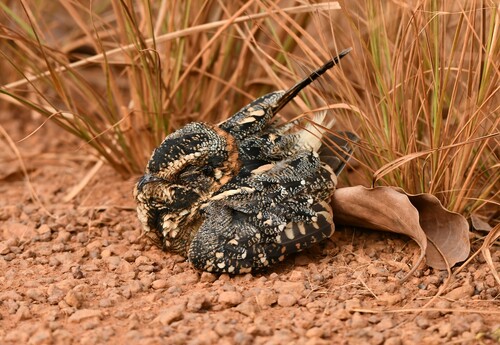 Vlekstaartnachtzwaluw
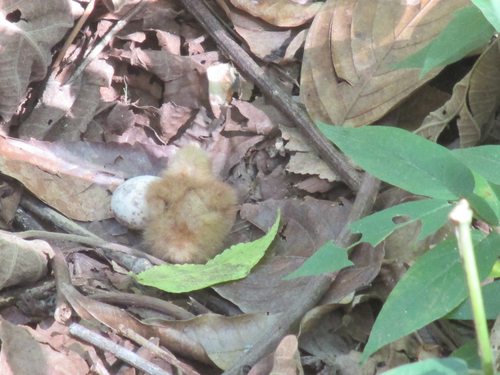 Rosse nachtzwaluw
Kort gezegd
De meest betrouwbare manier om de Vlekstaartnachtzwaluw van de Rosse nachtzwaluw te scheiden, is op basis van grootte en staartpatroon: Vlekstaart is duidelijk kleiner en lichter, met een kortere, minder robuuste uitstraling, en de staart van de mannelijke Vlekstaartnachtzwaluw vertoont grote witte vlekken plus witte punten met een buff wash, terwijl de Rosse nachtzwaluw veel groter en robuuster is, en de staart van de mannelijke Rosse nachtzwaluw heeft slechts één grote witte vlek aan het einde van de buitenste drie paar veren. Vlekstaart toont een brede kaneelkleurige band op de achterhals en een buff supercilium, terwijl Rosse over het algemeen roder is met een buff halsband en een witte band onder de keel. In de vlucht of zittend zijn de bovenzijde van de Vlekstaart meer gemarmerd met buff of tawny vlekken en strepen, terwijl de Rosse nachtzwaluw meer uniform roodbruin is. Deze verschillen zijn zichtbaar bij zowel zittende als vliegende vogels, maar grootte en staartpatroon zijn het meest betrouwbaar, vooral bij mannetjes.
Herkenningstips
- Grootte is een sterke scheiding: Vlekstaartnachtzwaluw is veel kleiner en lichter dan Rosse nachtzwaluw. Als de vogel groot en robuust lijkt, vermoed dan Rosse.
- Staartpatroon bij mannetjes: Vlekstaart mannetjes hebben twee of drie grote witte vlekken op de buitenste staartveren en witte punten met een buff wash; Rosse mannetjes hebben slechts één grote witte vlek aan het einde van de buitenste drie paar staartveren. Dit is het meest diagnostische kenmerk als je de staart goed ziet.
- Staartpatroon bij vrouwtjes: Vlekstaart vrouwtjes missen de witte punten maar vertonen nog steeds tawny markeringen en meerdere witte vlekken; Rosse vrouwtjes hebben bleke buff punten maar niet de meerdere witte vlekken van Vlekstaart.
- Achterhalsband: Vlekstaart toont een brede kaneelkleurige band over de achterhals, terwijl Rosse een buff halsband heeft aan de zijkanten en achterkant van de hals maar niet zo breed of kaneelkleurig is.
- Supercilium: Vlekstaart heeft een brede buff supercilium (wenkbrauw), die Rosse mist of veel minder duidelijk is.
- Gezichtskleur: Vlekstaart’s gezicht is tawny of roestkleurig met donkere bruine spikkels; Rosse is meer uniform roodbruin.
- Bovenzijde patroon: Vlekstaart is meer zwaar gemarmerd en gestreept met buff of tawny boven; Rosse is meer uniform roodbruin met donkere bruine strepen maar minder contrasterend.
- Onderzijde: Vlekstaart’s onderzijde is kaneelkleurig tot buff, met minder wit; Rosse heeft onderzijde gespikkeld met donkerbruin en wit, en een prominente witte band onder de keel.
- Vleugelpatroon: Geen van beide soorten heeft wit in de vleugels, maar Vlekstaart’s vleugels zijn duidelijker gemarmerd met tawny, terwijl Rosse’s meer uniform gestreept zijn en geen wit bevatten.
- Vlucht jizz: Vlekstaart lijkt korter, lichter en meer gemarmerd in de vlucht; Rosse is robuuster, met langere vleugels en meer uniform van kleur.
- Voedingsgedrag: Vlekstaart vliegt vaak op vanuit de grond; Rosse is waarschijnlijker om van een lage zitplaats te vliegen, hoewel dit niet altijd zichtbaar is.
- Habitat context: Beide kunnen voorkomen in open gebieden, maar Vlekstaart is waarschijnlijker in zandige of schraal habitats; Rosse is meer generalistisch.
- Stem: Als je een hoge, lispelende 'tip-SEEEUUEEET' hoort, is het Vlekstaart; Rosse’s zang is niet beschreven hier, dus vertrouw niet op de stem tenzij je de lokale roep goed kent.
- Subspecies variatie: Sommige Rosse nachtzwaluw subspecies (bijv. A. r. saltarius) zijn grijzer, maar geen enkele is zo gemarmerd als Vlekstaart.
- Valstrik: Beide kunnen roestkleurig en gemarmerd lijken, vooral bij slecht licht; controleer altijd de grootte en het staartpatroon indien mogelijk.
Grootte
Vlekstaartnachtzwaluw is aanzienlijk kleiner: 20,3–21,5 cm in lengte en 26–39 g in massa. Rosse nachtzwaluw is veel groter en zwaarder: 25–30 cm lang en 88–98 g. Dit grootteverschil is aanzienlijk en duidelijk in het veld, waarbij de Rosse nachtzwaluw robuuster en langer gevleugeld lijkt. Als je beide samen ziet, is het contrast opvallend, maar zelfs alleen, een nachtzwaluw die de grootte van een Amerikaanse nachtzwaluw benadert, is waarschijnlijk Rosse, terwijl een veel kleinere, meer delicate vogel past bij Vlekstaart.
Verenkleed
- Jong/immatuur/eerste-winter vogels: Er zijn geen specifieke leeftijd- unieke bovenvleugel of vluchtmerken beschreven voor beide soorten, dus de focus ligt op volwassen pluimage, die vergelijkbaar is over de leeftijden.
- Vlekstaartnachtzwaluw: Bovenzijde bruin met sterke buff/tawny vlekken en strepen; kroon donkerder, staartpennen lichter. Brede kaneelkleurige band op de achterhals, brede buff supercilium. Vleugels bruin met tawny vlekken. Staart: vier buitenste veren aan elke kant donkerbruin met tawny markeringen, twee of drie grote witte vlekken, en (bij mannetjes) witte punten met een buff wash. Binnenste staartveren langer, grijsbruin met strepen. Onderzijde kaneelkleurig tot buff, buik en flanken buff.
- Rosse nachtzwaluw: Over het algemeen veel roder of roodbruin, met een buff halsband aan de zijkanten en achterkant van de hals en een witte band onder de keel. Bovenzijde heeft donkere bruine strepen, vleugels zijn gemarmerd/gestreept met donkerbruin, maar missen opvallend wit in de vleugels. Onderzijde is gespikkeld met donkerbruin en wit. De buitenste drie paar staartveren van het mannetje hebben een grote witte vlek aan het einde; het vrouwtje heeft een bleke buff punt. Sommige subspecies zijn grijzer, maar geen enkele is zo gemarmerd als Vlekstaart.
- Belangrijke contrasten: Vlekstaart is meer gemarmerd en gestreept boven, met een kaneelkleurige band op de achterhals en buff supercilium; Rosse is meer uniform, roder, met een buff halsband en witte band onder de keel. Staartpatroon is diagnostisch bij mannetjes: Vlekstaart heeft meerdere witte vlekken en witte punten, Rosse heeft slechts één grote witte vlek aan het einde van de buitenste drie paar.
Gedrag
Beide soorten zijn nachtelijke insecteneters, maar Vlekstaartnachtzwaluw jaagt vaak door op te vliegen vanuit de grond of in lage, langzame vlucht, terwijl Rosse nachtzwaluw typisch opvliegt vanuit een lage zitplaats zoals een tak of hekpaal. Dit verschil kan subtiel zijn en is niet altijd zichtbaar, maar als je een vogel ziet opstijgen vanuit de grond, is Vlekstaart waarschijnlijker; vanuit een lage zitplaats is Rosse waarschijnlijker.
Habitat
Beide soorten hebben overlappende gebieden in een groot deel van Zuid-Amerika en bezetten vergelijkbare laagland- en open habitats. De verspreiding van de Vlekstaartnachtzwaluw is zeer patchy, met populaties verspreid van het zuiden van Mexico door een groot deel van Zuid-Amerika, behalve Chili en Uruguay, en het wordt gevonden van laaglanden tot gematigde hoogtes (tot 1.350 m in Peru). Rosse nachtzwaluw is wijdverspreid in Zuid- en Midden-Amerika, inclusief enkele Caribische eilanden. Habitat alleen is niet diagnostisch, maar Vlekstaart is waarschijnlijker in open, zandige of schraal gebieden, terwijl Rosse meer aanpasbaar is en kan worden gevonden in een scala van open bossen en randen.
Geluid
Het lied van de Vlekstaartnachtzwaluw is een hoge, lispelende 'tip-SEEEUUEEET', met roepen waaronder een snelle 't-seet t-seet t-seet' en een licht jankend 'seeeu' in de vlucht. De vocalisaties van de Rosse nachtzwaluw zijn niet in detail beschreven in de verstrekte aantekeningen, dus de stem is geen betrouwbare scheiding op basis van deze informatie.
Vlekstaartnachtzwaluw · Rosse nachtzwaluw · Mijn lastige vogels