

Motmot

マダラオヨタカ 対 アカヨタカ

Antiurus maculicaudus 対 Antrostomus rufus

マダラオヨタカとアカヨタカのクイズ
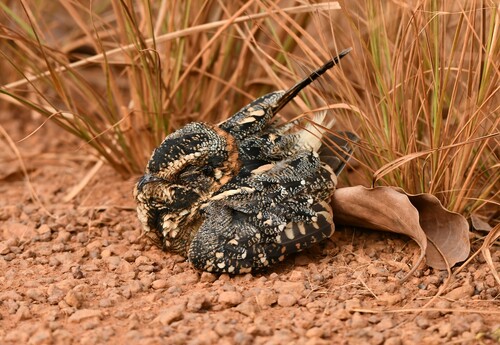
マダラオヨタカ (Antiurus maculicaudus) マダラオヨタカ
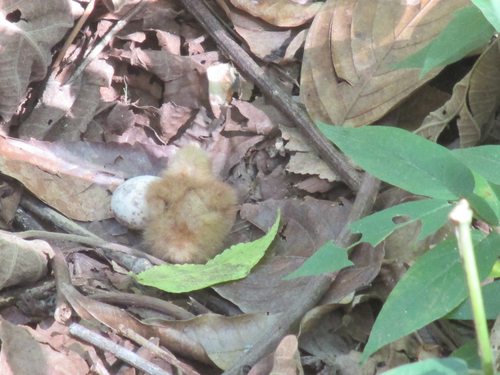
アカヨタカ (Antrostomus rufus) アカヨタカ

メディア

読み込み中…

要点

マダラオヨタカとアカヨタカを区別する最も信頼できる方法は、サイズと尾のパターンです:マダラオヨタカは明らかに小さく、軽量で、短く、頑丈さが少ない外観を持ち、オスの尾には大きな白い斑点とバフの洗いがかかった白い先端が見られます。一方、アカヨタカははるかに大きく、ずんぐりしており、オスの尾には外側の3対の羽の先端に1つの大きな白い斑点しかありません。マダラオヨタカは広いシナモン色の後頸部バンドとバフのスーパシリウムを示し、アカヨタカは全体的により赤褐色で、バフの首の襟と白い喉のバンドを持っています。飛行中または止まっているとき、マダラオヨタカの上面はバフまたは黄褐色の斑点や帯でよりパターン化されており、アカヨタカはより均一な赤褐色です。これらの違いは、止まっている鳥と飛んでいる鳥の両方で見ることができますが、サイズと尾のパターンが最も信頼できるものであり、特にオスにおいてはそうです。

識別のコツ

  1. サイズは強力な区別要因です: マダラオヨタカはアカヨタカよりもはるかに小さく、軽量です。鳥が大きくて頑丈に見える場合は、アカヨタカを疑ってください。
  2. オスの尾のパターン: マダラオヨタカのオスは外側の尾羽に2つまたは3つの大きな白い斑点とバフの洗いがかかった白い先端を持っています;アカヨタカのオスは外側の3対の尾羽の先端に1つの大きな白い斑点しか持っていません。これは、尾をよく見ることができれば最も診断的な特徴です。
  3. メスの尾のパターン: マダラオヨタカのメスは白い先端が欠けていますが、まだ黄褐色のマーキングと複数の白い斑点を示しています;アカヨタカのメスは淡いバフの先端を持っていますが、マダラオヨタカの複数の白い斑点はありません。
  4. 後頸部バンド: マダラオヨタカは後頸部に広いシナモン色のバンドを示しますが、アカヨタカは首の側面と背中にバフの襟を持っていますが、広さやシナモン色ではありません。
  5. スーパシリウム: マダラオヨタカは広いバフのスーパシリウム(眉毛)を持っていますが、アカヨタカはそれを欠いているか、はるかに目立たないです。
  6. 顔の色: マダラオヨタカの顔は黄褐色または赤褐色で、暗い茶色の斑点があります;アカヨタカはより均一な赤褐色です。
  7. 上面のパターン: マダラオヨタカは上面がバフまたは黄褐色の斑点や帯でより多くのパターン化がされています;アカヨタカはより均一な赤褐色で、暗い茶色の筋がありますが、コントラストは少ないです。
  8. 下面: マダラオヨタカの下面はシナモン色からバフで、白は少ないです;アカヨタカは暗い茶色と白の斑点があり、喉の下に目立つ白いバンドがあります。
  9. 翼のパターン: どちらの種も翼に白はありませんが、マダラオヨタカの翼は黄褐色の斑点がより明らかで、アカヨタカの翼はより均一に帯状で、白はありません。
  10. 飛行の特徴: マダラオヨタカは飛行中に短く、軽量で、よりパターン化されています;アカヨタカはずんぐりしており、長い翼を持ち、色がより均一です。
  11. 採餌行動: マダラオヨタカはしばしば地面から飛び立ちます;アカヨタカは低い止まり木から飛び立つ可能性が高いですが、これは常に見えるわけではありません。
  12. 生息地の文脈: 両方は開けた場所に生息することができますが、マダラオヨタカは砂地や低木の生息地にいる可能性が高いです;アカヨタカはより一般的です。
  13. 声: 高く、舌足らずの「tip-SEEEUUEEET」を聞いたら、それはマダラオヨタカです;アカヨタカの歌はここでは説明されていないので、地元の鳴き声をよく知っていない限り、声に頼らないでください。
  14. 亜種の変異: 一部のアカヨタカの亜種(例:A. r. saltarius)はより灰色ですが、マダラオヨタカほどパターン化されているものはありません。
  15. 落とし穴: 両方の種は、特に光が悪いときに赤褐色で斑点のように見えることがあります;可能であれば、常にサイズと尾のパターンを確認してください。

大きさ

マダラオヨタカは明らかに小さく、長さは20.3–21.5 cm、質量は26–39 gです。アカヨタカははるかに大きく、重い:長さは25–30 cm、質量は88–98 gです。このサイズの違いは実際にかなり重要で明らかであり、アカヨタカはずんぐりしており、長い翼を持っています。両方を一緒に見ると、対比は際立っていますが、単独で見る場合でも、アメリカヨタカのサイズに近い夜行性の鳥はおそらくアカヨタカであり、はるかに小さく、より繊細な鳥はマダラオヨタカに適合します。

羽色

行動

両方の種は夜行性の昆虫食性ですが、マダラオヨタカはしばしば地面から飛び立ったり、低く、遅い飛行で採餌を行います。一方、アカヨタカは通常、枝やフェンスの柱などの低い止まり木から飛び立ちます。この違いは微妙であり、常に見えるわけではありませんが、地面から飛び立つ鳥を見た場合、マダラオヨタカの可能性が高く、低い止まり木からの場合はアカヨタカの可能性が高いです。

生息環境

両方の種は南アメリカの多くの地域で重なり合った範囲を持ち、類似の低地および開けた生息地を占めています。マダラオヨタカの分布は非常に不均一で、メキシコ南部から南アメリカの多くの地域(チリとウルグアイを除く)に散在する個体群があり、低地から中程度の標高(ペルーでは最大1,350 m)まで見られます。アカヨタカは南アメリカと中央アメリカ、いくつかのカリブ海の島々に広く分布しています。生息地だけでは診断的ではありませんが、マダラオヨタカは開けた砂地や低木のある地域にいる可能性が高く、アカヨタカはより適応性があり、さまざまな開けた森林やエッジに見られます。

声

マダラオヨタカの歌は高く、舌足らずの「tip-SEEEUUEEET」で、呼び声には急速な「t-seet t-seet t-seet」と、飛行中のわずかに泣くような「seeeu」が含まれます。アカヨタカの鳴き声は提供されたメモに詳細に記載されていないため、この情報に基づいて声は信頼できる区別要因ではありません。

より良い説明を送る

比較と同じ項目を使ってください。文章はすぐに公開されます。

The most reliable way to separate Spot-tailed Nightjar from Rufous Nightjar is by size and tail pattern: Spot-tailed is distinctly smaller and lighter, with a shorter, less robust look, and the male’s tail shows large white spots plus white tips with a buff wash, while Rufous Nightjar is much larger, bulkier, and the male’s tail has only a single large white spot at the end of the outer three pairs of feathers. Spot-tailed shows a broad cinnamon hindneck band and a buff supercilium, while Rufous is overall more rufous with a buff neck collar and a white throat band. In flight or perched, Spot-tailed’s upperparts are more patterned with buff or tawny spots and bars, while Rufous Nightjar is more uniform reddish brown. These differences are visible in both perched and flying birds, but size and tail pattern are most reliable, especially in males.

  1. Size is a strong separator: Spot-tailed Nightjar is much smaller and lighter than Rufous Nightjar. If the bird looks large and robust, suspect Rufous.
  2. Tail pattern in males: Spot-tailed males have two or three large white spots on the outer tail feathers and white tips with a buff wash; Rufous males have only one large white spot at the end of the outer three pairs of tail feathers. This is the most diagnostic mark if you see the tail well.
  3. Tail pattern in females: Spot-tailed females lack the white tips but still show tawny markings and multiple white spots; Rufous females have pale buff tips but not the multiple white spots of Spot-tailed.
  4. Hindneck band: Spot-tailed shows a broad cinnamon band across the hindneck, while Rufous has a buff collar on the sides and back of the neck but not as broad or cinnamon-toned.
  5. Supercilium: Spot-tailed has a broad buff supercilium (eyebrow), which Rufous lacks or is much less distinct.
  6. Facial color: Spot-tailed’s face is tawny or rufous with dark brown speckles; Rufous is more uniformly reddish brown.
  7. Upperparts pattern: Spot-tailed is more heavily spotted and barred with buff or tawny above; Rufous is more uniform reddish brown with dark brown streaks but less contrasty.
  8. Underparts: Spot-tailed’s underparts are cinnamon to buff, with less white; Rufous has underparts speckled with dark brown and white, and a prominent white band under the throat.
  9. Wing pattern: Neither species has white in the wings, but Spot-tailed’s wings are more obviously spotted with tawny, while Rufous’s are more uniformly barred and lack white.
  10. Flight jizz: Spot-tailed appears shorter, lighter, and more patterned in flight; Rufous is bulkier, longer-winged, and more uniform in color.
  11. Foraging behavior: Spot-tailed often flushes from the ground; Rufous is more likely to sally from a low perch, though this is not always visible.
  12. Habitat context: Both can occur in open areas, but Spot-tailed is more likely in sandy or scrubby habitats; Rufous is more generalist.
  13. Voice: If you hear a high, lisping 'tip-SEEEUUEEET', it is Spot-tailed; Rufous’s song is not described here, so do not rely on voice unless you know local calls well.
  14. Subspecies variation: Some Rufous Nightjar subspecies (e.g., A. r. saltarius) are grayer, but none are as patterned as Spot-tailed.
  15. Pitfall: Both can look rufous and spotted, especially in poor light; always check size and tail pattern if possible.

Spot-tailed Nightjar is significantly smaller: 20.3–21.5 cm in length and 26–39 g in mass. Rufous Nightjar is much larger and heavier: 25–30 cm long and 88–98 g. This size difference is substantial and obvious in the field, with Rufous Nightjar appearing bulkier and longer-winged. If you see both together, the contrast is striking, but even singly, a nightjar approaching the size of a Common Nighthawk is likely Rufous, while a much smaller, more delicate bird fits Spot-tailed.

  • Juvenile/immature/first-winter birds: No specific age-unique upperwing or flight marks are described for either species, so focus is on adult plumage, which is similar across ages.
  • Spot-tailed Nightjar: Upperparts brown with strong buff/tawny spots and bars; crown darker, rump paler. Broad cinnamon band on hindneck, broad buff supercilium. Wings brown with tawny spots. Tail: four outer feathers on each side dark brown with tawny markings, two or three large white spots, and (in males) white tips with a buff wash. Inner tail feathers longer, grayish brown with bars. Underparts cinnamon to buff, belly and flanks buff.
  • Rufous Nightjar: Overall much more rufous or reddish brown, with a buff collar on the sides and back of neck and a white band under the throat. Upperparts have dark brown streaks, wings are spotted/barred with dark brown, but notably lack white in the wings. Underparts are speckled with dark brown and white. Male’s outer three pairs of tail feathers have a large white spot at the end; female’s have a pale buff tip. Some subspecies are grayer, but none as patterned as Spot-tailed.
  • Key contrasts: Spot-tailed is more patterned and spotted above, with a cinnamon hindneck band and buff supercilium; Rufous is more uniform, redder, with a buff neck collar and white throat band. Tail pattern is diagnostic in males: Spot-tailed has multiple white spots and white tips, Rufous has only one large white spot at the end of the outer three pairs.

Both species are nocturnal insectivores, but Spot-tailed Nightjar often forages by sallying from the ground or in low, slow flight, while Rufous Nightjar typically sallies from a low perch such as a branch or fencepost. This difference can be subtle and is not always visible, but if you see a bird launching from the ground, Spot-tailed is more likely; from a low perch, Rufous is more likely.

Both species have overlapping ranges in much of South America and occupy similar lowland and open habitats. Spot-tailed Nightjar’s distribution is highly patchy, with populations scattered from southern Mexico through much of South America except Chile and Uruguay, and it is found from lowlands up to moderate elevations (up to 1,350 m in Peru). Rufous Nightjar is widespread in South and Central America, including some Caribbean islands. Habitat alone is not diagnostic, but Spot-tailed is more likely in open, sandy, or scrubby areas, while Rufous is more adaptable and can be found in a range of open woodlands and edges.

Spot-tailed Nightjar’s song is a high, lisping 'tip-SEEEUUEEET', with calls including a rapid 't-seet t-seet t-seet' and a slightly wailing 'seeeu' in flight. Rufous Nightjar’s vocalizations are not described in detail in the provided notes, so voice is not a reliable separator based on this information.

変更を破棄しますか?

保存していない編集があります。今離れると失われます。

マダラオヨタカ · アカヨタカ · 苦手な鳥