

Prachtglansspreeuw vs Groenstaartglansspreeuw
Lamprotornis splendidus versus Lamprotornis chalybaeus
Speel een quiz met Prachtglansspreeuw en Groenstaartglansspreeuw
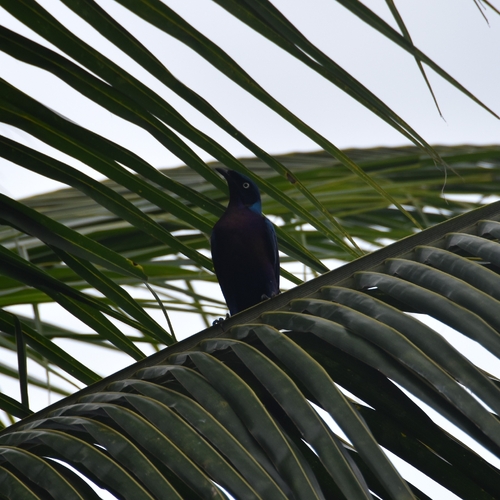 Prachtglansspreeuw
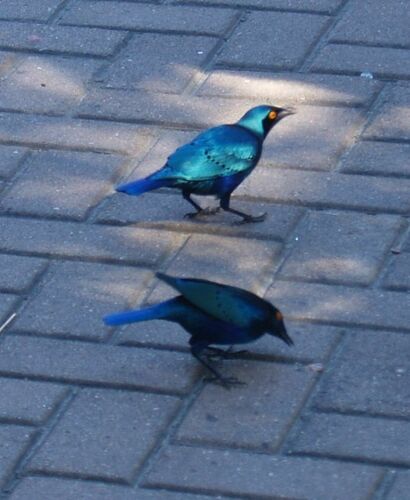 Groenstaartglansspreeuw
Kort gezegd
Het meest betrouwbare veldkenmerk tussen Prachtglansspreeuw en Groenstaartglansspreeuw is de algehele grootte en bulk: Prachtglansspreeuw is duidelijk zwaarder en robuuster, terwijl Groenstaartglansspreeuw merkbaar kleiner en kortstaartiger is. In het veld vertoont de volwassen Groenstaartglansspreeuw een sterke blauw-groene glans met een paars-blauwe buik en een felgele of oranje oog, terwijl Prachtglansspreeuw over het algemeen donkerder en robuuster is. Juveniele Groenstaartglansspreeuw is doffer met zwartachtig bruine onderdelen, wat verwarring kan veroorzaken met Prachtglansspreeuw, maar deze laatste blijft groter en imposanter. Beide soorten zijn glanzende spreeuwen, dus aandacht voor grootte, staartlengte en buikkleur is essentieel voor een zekere scheiding.
Herkenningstips
- Grootte en bulk: Prachtglansspreeuw is veel zwaarder en robuuster dan Groenstaartglansspreeuw. Gebruik dit wanneer vogels samen of met andere spreeuwen worden gezien voor schaal.
- Staartlengte: Prachtglansspreeuw heeft een langere staart in verhouding tot zijn lichaam, terwijl Groenstaartglansspreeuw kortstaartiger en compacter is.
- Buikkleur (volwassen): Groenstaartglansspreeuw vertoont een scherp gedefinieerde paars-blauwe buik die contrasteert met zijn blauw-groene bovenzijde. Prachtglansspreeuw is meer uniform en donkerder aan de onderzijde.
- Oorvlek (volwassen): Zoek naar de blauwe oorvlek op Groenstaartglansspreeuw; Prachtglansspreeuw mist deze eigenschap.
- Iris kleur (volwassen): Groenstaartglansspreeuw heeft een opvallende gele of oranje iris, die opvalt in goed licht. Prachtglansspreeuw's oogkleur is niet gespecificeerd hier, maar het is minder waarschijnlijk dat deze zo fel is.
- Juveniele onderdelen: Juveniele Groenstaartglansspreeuw heeft zwartachtig bruine onderdelen en is doffer over het algemeen, wat kan lijken op Prachtglansspreeuw, maar let op de kleinere grootte en kortere staart.
- Glans en glans: Beide soorten zijn glanzend, maar Groenstaartglansspreeuw is meer blauw-groen en iriserend, vooral in goed licht. Prachtglansspreeuw is glanzender dan de meeste vogels, maar mist het intense blauw-groen en paars contrast.
- Groepsgedrag: Grote, gemengde groepen in open bos of rond vee geven de voorkeur aan Groenstaartglansspreeuw. Solitaire of minder sociale vogels kunnen Prachtglansspreeuw zijn, maar dit is niet definitief.
- Zitten op vee: Als je een spreeuw op runderen of andere grote zoogdieren ziet zitten, is het waarschijnlijker dat het een Groenstaartglansspreeuw is.
- Vocalisaties: Een nasale 'squee-ar' roep is diagnostisch voor Groenstaartglansspreeuw; het ontbreken van deze roep bevestigt Prachtglansspreeuw niet, maar het horen ervan is een sterke aanwijzing.
- Habitatcontext: Open bos en nabijheid van vee of menselijke activiteit wijzen op Groenstaartglansspreeuw. Prachtglansspreeuw is minder gebonden aan deze habitats.
- Geslachtsverschillen: Beide soorten hebben vergelijkbare verenkleed bij mannetjes en vrouwtjes, dus vertrouw niet op geslacht voor scheiding.
- Seizoensvariatie: Er zijn geen sterke seizoensgebonden verenkleedverschillen beschreven voor beide soorten; focus het hele jaar door op structurele en kleurkenmerken.
- Leeftijdsvalkuilen: Juveniele Groenstaartglansspreeuw kan worden verward met Prachtglansspreeuw vanwege doffer verenkleed, maar grootte en staartlengte blijven nuttig.
- Gemengde groepen: Als je een gemengde spreeuwengroep tegenkomt, controleer dan de combinatie van grootte, staart, buikkleur en iris om deze twee soorten uit elkaar te houden.
Grootte
Prachtglansspreeuw is aanzienlijk zwaarder (125 g vs. 86 g) en robuuster dan Groenstaartglansspreeuw. In het veld lijkt Prachtglansspreeuw groter van lichaam en robuuster, met een proportioneel langere staart. Groenstaartglansspreeuw is kortstaartiger en compacter in het algemeen. Wanneer ze samen of met andere spreeuwen worden gezien voor schaal, is dit grootteverschil vaak de eerste aanwijzing.
Verenkleed
Volwassen Groenstaartglansspreeuw is glanzend blauw-groen over het algemeen, met een duidelijke paars-blauwe buik en een blauwe oorvlek. Zijn iris is felgeel of oranje, wat opvalt in het veld. Juveniele Groenstaartglansspreeuw is doffer, met zwartachtig bruine onderdelen, en mist de sterke glans en buikkleur van volwassenen. Prachtglansspreeuw, hoewel ook glanzend, is over het algemeen donkerder en uniformer, en mist de scherp gedefinieerde paars-blauwe buik en blauwe oorvlek van Groenstaartglansspreeuw. Beide seksen zijn vergelijkbaar in elke soort, dus geslacht is geen sterke scheider. Juveniel verenkleed in Prachtglansspreeuw wordt niet in detail beschreven in deze aantekeningen, maar de soort blijft groter en robuuster op alle leeftijden.
Gedrag
Groenstaartglansspreeuw is zeer sociaal, vormt vaak grote groepen en mengt zich met andere spreeuwen. Het zit vaak op vee en zoekt op de grond naar insecten, soms verwijdert het ectoparasieten. Het gedrag van Prachtglansspreeuw wordt hier minder specifiek beschreven, maar het is niet bekend om hetzelfde niveau van groepsvorming of associatie met vee. Beide soorten zijn omnivoor en kunnen worden gezien terwijl ze op de grond foerageren.
Habitat
Groenstaartglansspreeuw is een zeer gewone vogel van open bos, die wijdverspreid is in sub-Sahara Afrika en vaak wordt gezien in associatie met vee of nabij menselijke bewoning. Het habitat van Prachtglansspreeuw wordt in deze aantekeningen niet gedetailleerd beschreven, maar het wordt niet beschreven als zo nauw verbonden met open bos of vee als Groenstaartglansspreeuw. Als de vogel in een grote, luidruchtige groep in open bos of nabij runderen is, is de kans groter dat het een Groenstaartglansspreeuw is.
Geluid
Groenstaartglansspreeuw heeft een scala aan muzikale en schurende roepen, waarvan de meest bekende een nasale 'squee-ar' is. Er zijn geen vocalisatiegegevens voor Prachtglansspreeuw in deze aantekeningen, dus de stem is alleen diagnostisch voor Groenstaartglansspreeuw.
Prachtglansspreeuw · Groenstaartglansspreeuw · Mijn lastige vogels