

Motmot

セイキテリムク 対 セイキムクドリ

Lamprotornis splendidus 対 Lamprotornis chalybaeus

セイキテリムクとセイキムクドリのクイズ
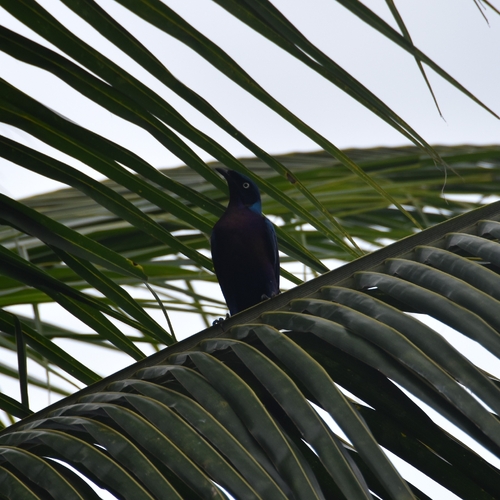
セイキテリムク (Lamprotornis splendidus) セイキテリムク
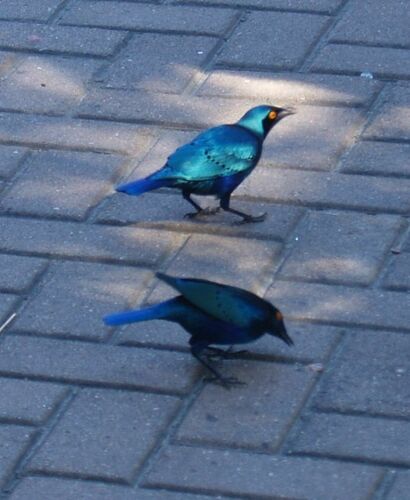
セイキムクドリ (Lamprotornis chalybaeus) セイキムクドリ

メディア

読み込み中…

要点

セイキテリムクとセイキムクドリの最も信頼できるフィールドマークは、全体のサイズと体格です:セイキテリムクは明らかに重く、より頑丈ですが、セイキムクドリは明らかに小さく、尾が短いです。フィールドでは、成鳥のセイキムクドリは強い青緑の光沢を示し、紫青の腹部と明るい黄色またはオレンジの目を持っていますが、セイキテリムクは一般的に暗く、より大きいです。幼鳥のセイキムクドリは鈍く、黒褐色の腹部を持ち、これがセイキテリムクと混同されることがありますが、後者は依然として大きく、威圧的です。両種は光沢のあるムクドリであるため、サイズ、尾の長さ、腹部の色に注意を払うことが、確実な識別には不可欠です。

識別のコツ

  1. サイズと体格:セイキテリムクはセイキムクドリよりもはるかに重く、体格が大きいです。これは、鳥が一緒に見られるときや他のムクドリと一緒にスケールとして使うときに役立ちます。
  2. 尾の長さ:セイキテリムクは体に対して尾が長いですが、セイキムクドリは尾が短く、よりコンパクトです。
  3. 腹部の色(成鳥):セイキムクドリは、青緑の上面と対照的なはっきりとした紫青の腹部を示します。セイキテリムクは、下側がより均一で暗いです。
  4. 耳の斑点(成鳥):セイキムクドリの青い耳の斑点を探してください;セイキテリムクにはこの特徴がありません。
  5. 虹彩の色(成鳥):セイキムクドリは目立つ黄色またはオレンジの虹彩を持ち、良い光の中で際立ちます。セイキテリムクの目の色はここでは指定されていませんが、明るい可能性は低いです。
  6. 幼鳥の腹部:幼鳥のセイキムクドリは黒褐色の腹部を持ち、全体的に鈍く、セイキテリムクに似ることがありますが、サイズが小さく、尾が短いことに注意してください。
  7. 光沢と輝き:両種は光沢がありますが、セイキムクドリは特に良い光の中で青緑で虹色です。セイキテリムクはほとんどの鳥よりも光沢がありますが、強い青緑と紫の対比が欠けています。
  8. 群れ行動:オープンウッドランドや家畜の周りに大きな混合群れがある場合、セイキムクドリが好まれます。孤立したり、あまり群れない鳥はセイキテリムクかもしれませんが、これは決定的ではありません。
  9. 家畜に止まる:牛や他の大型哺乳類に止まっているムクドリを見た場合、セイキムクドリである可能性が高いです。
  10. 鳴き声:鼻声の「スキューアー」という鳴き声はセイキムクドリの診断的な特徴です;この鳴き声がないからといってセイキテリムクが確定するわけではありませんが、聞くことは強い手がかりです。
  11. 生息地の文脈:オープンウッドランドと家畜や人間の活動への近接はセイキムクドリを指し示します。セイキテリムクはこれらの生息地にあまり結びついていません。
  12. 性差:両種はオスとメスで似た羽毛を持っているため、性別に頼って識別しないでください。
  13. 季節的変化:どちらの種にも強い季節的羽毛の違いは記述されていません;年間を通じて構造的および色の特徴に焦点を当ててください。
  14. 年齢の落とし穴:幼鳥のセイキムクは鈍い羽毛のためにセイキテリムクと混同されることがありますが、サイズと尾の長さは依然として役立ちます。
  15. 混合群れ:混合ムクドリの群れに遭遇した場合、サイズ、尾、腹部の色、虹彩の組み合わせを確認してこれらの2種を区別してください。

大きさ

セイキテリムクはセイキムクドリよりも明らかに重く(125 g対86 g)、体格が大きいです。フィールドでは、セイキテリムクはより大きな体と頑丈さを持ち、相対的に尾が長いです。セイキムクドリは尾が短く、全体的にコンパクトです。一緒に見たり、他のムクドリと一緒にスケールとして見た場合、このサイズの違いはしばしば最初の手がかりとなります。

羽色

成鳥のセイキムクドリは全体的に光沢のある青緑で、はっきりとした紫青の腹部と青い耳の斑点を持っています。その虹彩は明るい黄色またはオレンジで、フィールドで際立ちます。幼鳥のセイキムクドリは鈍く、黒褐色の腹部を持ち、成鳥の強い光沢と腹部の色が欠けています。セイキテリムクも光沢がありますが、一般的に暗く、より均一で、セイキムクドリのはっきりとした紫青の腹部と青い耳の斑点が欠けています。両性は各種で似ているため、性別は強い識別要因ではありません。セイキテリムクの幼鳥の羽毛はこれらのメモでは詳細に記述されていませんが、種はすべての年齢でより大きく、頑丈です。

行動

セイキムクドリは非常に群れを成し、大きな群れを形成し、他のムクドリと混ざることがよくあります。家畜に頻繁に止まり、地面で昆虫を探し、時には外部寄生虫を取り除くこともあります。セイキテリムクの行動はここではあまり具体的に記述されていませんが、同じレベルの群れ行動や家畜との関連性は記載されていません。両種は雑食性で、地面で採餌しているのが見られることがあります。

生息環境

セイキムクドリはオープンウッドランドの非常に一般的な鳥で、サハラ以南のアフリカ全域に広く分布し、家畜や人間の居住地の近くでよく見られます。セイキテリムクの生息地はこれらのメモでは詳細に記述されていませんが、セイキムクドリほどオープンウッドランドや家畜に密接に結びついているとは記述されていません。鳥がオープンウッドランドや牛の近くの大きくて騒がしい群れにいる場合、セイキムクドリである可能性が高いです。

声

セイキムクドリは様々な音楽的で耳障りな鳴き声を持ち、最も馴染みのあるものは鼻声の「スキューアー」です。これらのメモにはセイキテリムクの鳴き声の詳細はありませんので、声はセイキムクドリの診断的な特徴です。

より良い説明を送る

比較と同じ項目を使ってください。文章はすぐに公開されます。

The most reliable field mark between Splendid Starling and Greater Blue-eared Starling is overall size and bulk: Splendid Starling is distinctly heavier and more robust, while Greater Blue-eared is noticeably smaller and shorter-tailed. In the field, adult Greater Blue-eared Starling shows a strong blue-green gloss with a purple-blue belly and a bright yellow or orange eye, while Splendid Starling is generally darker and bulkier. Juvenile Greater Blue-eared is duller with blackish brown underparts, which can cause confusion with Splendid Starling, but the latter remains larger and more imposing. Both species are glossy starlings, so careful attention to size, tail length, and belly color is essential for confident separation.

  1. Size and bulk: Splendid Starling is much heavier and bulkier than Greater Blue-eared Starling. Use this when birds are seen together or with other starlings for scale.
  2. Tail length: Splendid Starling has a longer tail relative to its body, while Greater Blue-eared is shorter-tailed and more compact.
  3. Belly color (adult): Greater Blue-eared Starling shows a sharply defined purple-blue belly contrasting with its blue-green upperparts. Splendid Starling is more uniform and darker below.
  4. Ear patch (adult): Look for the blue ear patch on Greater Blue-eared Starling; Splendid Starling lacks this feature.
  5. Iris color (adult): Greater Blue-eared Starling has a striking yellow or orange iris, which stands out in good light. Splendid Starling's eye color is not specified here, but it is less likely to be as bright.
  6. Juvenile underparts: Juvenile Greater Blue-eared Starling has blackish brown underparts and is duller overall, which can resemble Splendid Starling, but note the smaller size and shorter tail.
  7. Gloss and sheen: Both species are glossy, but Greater Blue-eared is more blue-green and iridescent, especially in good light. Splendid Starling is glossier than most birds but lacks the intense blue-green and purple contrast.
  8. Flocking behavior: Large, mixed flocks in open woodland or around livestock favor Greater Blue-eared Starling. Solitary or less gregarious birds may be Splendid Starling, but this is not definitive.
  9. Perching on livestock: If you see a starling perched on cattle or other large mammals, it is more likely to be Greater Blue-eared.
  10. Vocalizations: A nasal 'squee-ar' call is diagnostic for Greater Blue-eared Starling; lack of this call does not confirm Splendid Starling, but hearing it is a strong clue.
  11. Habitat context: Open woodland and proximity to livestock or human activity point to Greater Blue-eared Starling. Splendid Starling is less tied to these habitats.
  12. Sex differences: Both species have similar plumage in males and females, so do not rely on sex for separation.
  13. Seasonal variation: No strong seasonal plumage differences are described for either species; focus on structural and color features year-round.
  14. Age pitfalls: Juvenile Greater Blue-eared can be confused with Splendid Starling due to duller plumage, but size and tail length remain helpful.
  15. Mixed flocks: If you encounter a mixed starling flock, check for the combination of size, tail, belly color, and iris to sort out these two species.

Splendid Starling is significantly heavier (125 g vs. 86 g) and bulkier than Greater Blue-eared Starling. In the field, Splendid Starling appears larger-bodied and more robust, with a proportionally longer tail. Greater Blue-eared Starling is shorter-tailed and more compact overall. When seen together or with other starlings for scale, this size difference is often the first clue.

Adult Greater Blue-eared Starling is glossy blue-green overall, with a distinct purple-blue belly and a blue ear patch. Its iris is bright yellow or orange, which stands out in the field. Juvenile Greater Blue-eared is duller, with blackish brown underparts, lacking the strong gloss and belly color of adults. Splendid Starling, while also glossy, is generally darker and more uniform, lacking the sharply defined purple-blue belly and blue ear patch of Greater Blue-eared. Both sexes are similar in each species, so sex is not a strong separator. Juvenile plumage in Splendid Starling is not described in detail in these notes, but the species remains larger and more robust at all ages.

Greater Blue-eared Starling is highly gregarious, often forming large flocks and mixing with other starlings. It frequently perches on livestock and forages on the ground for insects, sometimes removing ectoparasites. Splendid Starling's behavior is less specifically described here, but it is not noted for the same level of flocking or association with livestock. Both species are omnivorous and may be seen foraging on the ground.

Greater Blue-eared Starling is a very common bird of open woodland, ranging widely across sub-Saharan Africa and often seen in association with livestock or near human habitation. Splendid Starling's habitat is not detailed in these notes, but it is not described as being as closely tied to open woodland or livestock as Greater Blue-eared. If the bird is in a large, noisy flock in open woodland or near cattle, Greater Blue-eared is more likely.

Greater Blue-eared Starling has a range of musical and grating calls, with the most familiar being a nasal 'squee-ar.' There are no vocalization details for Splendid Starling in these notes, so voice is only diagnostic for Greater Blue-eared.

変更を破棄しますか?

保存していない編集があります。今離れると失われます。

セイキテリムク · セイキムクドリ · 苦手な鳥