

Donsstormvogel vs Antarctische prion
Pterodroma mollis versus Pachyptila desolata
Speel een quiz met Donsstormvogel en Antarctische prion
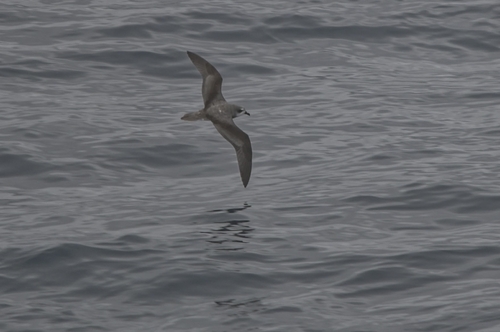 Donsstormvogel
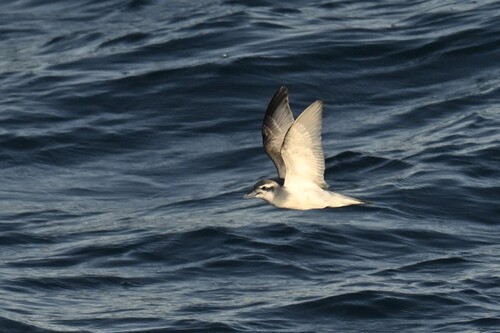 Antarctische prion
Kort gezegd
Het meest betrouwbare veldkenmerk tussen Donsstormvogel en Antarctische prion is het patroon van het hoofd en gezicht: Donsstormvogel heeft een donkergrijs hoofd met een sterke witte wang- en keelvlek, plus een donker oogmasker, terwijl de Antarctische prion een blauwgrijs hoofd heeft met een witte wenkbrauw en het gedurfde witte wangpatroon mist. In de vlucht toont de Antarctische prion een kenmerkend donker 'M'-patroon over zijn bovenste vleugels en rug, wat de Donsstormvogel mist. De structuur helpt ook: Donsstormvogel is merkbaar zwaarder en robuuster, met een meer puntige staart en een langere, zwarte snavel, vergeleken met de kleinere, meer delicate bouw en blauwgrijze snavel van de prion. Beide soorten hebben witte onderdelen en grijze bovenzijde, maar aandacht voor het gezichtspatroon, vleugelmarkeringen en algehele grootte zal ze in de meeste omstandigheden scheiden.
Herkenningstips
- Patroon van de bovenste vleugel in vlucht (alle leeftijden): De Antarctische prion toont een gedurfd donker 'M' of 'W' over de bovenste vleugels en rug, gevormd door donkere grote dekveren en een donkere lijn van rug naar vleugeltips. Donsstormvogel mist dit en toont eenvoudigere grijze bovenste vleugels.
- Hoofd- en gezichtspatroon: Donsstormvogel heeft een donkergrijs hoofd met een prominente witte wang- en keelvlek, plus een donker oogmasker en witte spikkels op het voorhoofd. De Antarctische prion heeft een blauwgrijs hoofd met een witte wenkbrauw, en mist de gedurfde witte wang.
- Snavel kleur en vorm: Donsstormvogel heeft een lange, zwarte, scherp haakvormige snavel (~25–32 mm). De snavel van de Antarctische prion is korter, blauwgrijs en minder haakvormig.
- Staartvorm: De stormvogel heeft een puntige staart, vaak duidelijk in de vlucht. De staart van de Antarctische prion is wigvormig met een zwarte punt.
- Lichaamsgrootte en jizz: Donsstormvogel is veel zwaarder en robuuster (300g vs 156g), met een krachtigere, directe vlucht. De Antarctische prion is lichter, delicater en heeft een fladderige, wendbare vluchtstijl.
- Kleur van poten en voeten: Als goed gezien, heeft Donsstormvogel roze poten met zwart op de buitenste zwemvliezen en tenen; de Antarctische prion heeft blauwe voeten.
- Onderwingkleur: De ondervleugels van Donsstormvogel zijn voornamelijk donkergrijs; de ondervleugels van de Antarctische prion worden niet als sterk gemarkeerd beschreven.
- Vederkleur morfen: Wees ervan bewust dat Donsstormvogel een donkere morf kan vertonen, maar het gezichtspatroon en de structuur blijven onderscheidend.
- Vluchtgedrag: De Antarctische prion is waarschijnlijker in grote groepen te zien; Donsstormvogel is meer solitair of in kleine groepen.
- Vocalisaties: Alleen Donsstormvogel wordt beschreven als luidruchtig in kolonies; beide zijn meestal stil op zee.
- Habitatcontext: Beide zijn pelagisch, maar de Antarctische prion kan gebruikelijker zijn in gebieden rijk aan zoöplankton.
- Verwarringsrisico: De Antarctische prion lijkt sterk op Salvinprion, dus wees voorzichtig als andere prionsoorten aanwezig zijn. De stormvogel is minder waarschijnlijk te verwarren met andere soorten als het hoofdpatroon goed wordt gezien.
- Valstrikken: Afstand of slechte uitzichten kunnen het gezichtspatroon en de vleugelmarkeringen verdoezelen; geef prioriteit aan duidelijke vluchtbeelden voor het 'M'-patroon (prion) of de gedurfde witte wang (stormvogel).
- Leeftijd/geslacht: Er zijn geen sterke leeftijds- of geslachtsverschillen beschreven voor beide soorten in de notities; de belangrijkste kenmerken zijn van toepassing op alle leeftijden.
- Snavelstructuur op afstand: In zijprofiel kan de langere, meer haakvormige snavel van de stormvogel zelfs op afstand zichtbaar zijn, vergeleken met de kortere, dikkere snavel van de prion.
Grootte
Donsstormvogel is aanzienlijk groter en zwaarder (lichaamsgewicht ~300g) vergeleken met de Antarctische prion (~156g). De stormvogel heeft een robuuster lichaam en een meer robuuste, haakvormige snavel, terwijl de prion slanker en lichter is. De lengte van de Antarctische prion is ongeveer 27 cm met een spanwijdte van 61–66 cm, waardoor het de grootste prion is, maar nog steeds kleiner en lichter dan Donsstormvogel. In directe vergelijking, verwacht dat de stormvogel krachtiger en dieper van borst lijkt, met een langere snavel en een meer puntige staart.
Verenkleed
- Juveniele/immature bovenste vleugelpatroon: De Antarctische prion (alle leeftijden) toont een opvallend donker 'M' of 'W' patroon over de bovenste vleugels en rug, gecreëerd door donkere grote dekveren en een donkere lijn van de rug naar de vleugeltips. Dit kenmerk ontbreekt bij Donsstormvogel van alle leeftijden, die eenvoudigere grijze bovenste vleugels heeft zonder het 'M'.
- Hoofd en gezicht: Donsstormvogel heeft een donkergrijs hoofd met een prominente witte wang en keel, plus een donker oogmasker en witte spikkels op het voorhoofd. De Antarctische prion heeft een blauwgrijs hoofd met een witte wenkbrauw en mist de gedurfde witte wang.
- Onderdelen: Beide soorten hebben voornamelijk witte onderdelen, maar de ondervleugels van Donsstormvogel zijn donkergrijs, terwijl die van de Antarctische prion minder duidelijk gemarkeerd zijn aan de onderzijde.
- Staart: Donsstormvogel heeft een puntige staart; de staart van de Antarctische prion is grijs, wigvormig, met een zwarte punt.
- Snavel en poten: Donsstormvogel heeft een zwarte, haakvormige snavel en roze poten met zwart op de buitenste zwemvliezen; de Antarctische prion heeft een blauwgrijze snavel en blauwe voeten.
- Morfen: Donsstormvogel kan een donkere morf vertonen, wat de identificatie kan compliceren, maar het gezichtspatroon en de structuur blijven onderscheidend.
Gedrag
Beide soorten zijn pelagisch en zelden op het land te zien, behalve op broedplaatsen. In de vlucht lijkt Donsstormvogel krachtiger en directer, met smalle vleugels en een puntige staart, vaak glijdend met stijvere vleugelslagen. De Antarctische prion is meer drijvend en wendbaar, met een fladderige vlucht en frequente richtingsveranderingen. De lichtere bouw en kortere snavel van de prion dragen bij aan een meer delicate, minder krachtige indruk. Beide kunnen in gemengde groepen op zee worden gezien, maar de stormvogel valt vaak op door zijn grotere formaat en meer doelgerichte vlucht.
Habitat
Beide soorten bewonen de Zuidelijke Oceaan en zijn strikt pelagisch buiten het broedseizoen. De Antarctische prion is waarschijnlijker in grote groepen te zien, vooral nabij opwellings waar zoöplankton overvloedig is. Donsstormvogel is meer solitair of in kleinere groepen. Alleen het habitat is geen betrouwbare scheiding, tenzij men de groepsgrootte en het voergedrag observeert, wat subtiele aanwijzingen kan geven.
Geluid
Donsstormvogel wordt beschreven als luidruchtig, met gemiddeld gepitchte kreten en scherpe piepjes, vooral in broedkolonies. De stem van de Antarctische prion wordt niet in de notities beschreven, en op zee zijn beide meestal stil. Vocalisaties zijn geen betrouwbaar veldkenmerk op zee.