

Motmot

カオジロミズナギドリ 対 ナンキョククジラドリ

Pterodroma mollis 対 Pachyptila desolata

カオジロミズナギドリとナンキョククジラドリのクイズ
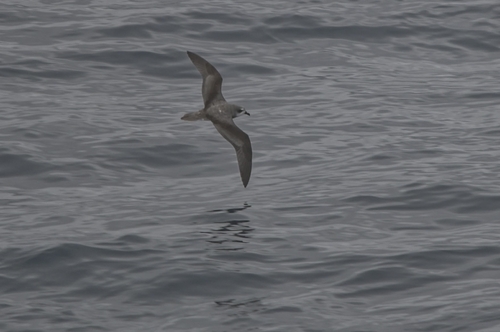
カオジロミズナギドリ (Pterodroma mollis) カオジロミズナギドリ
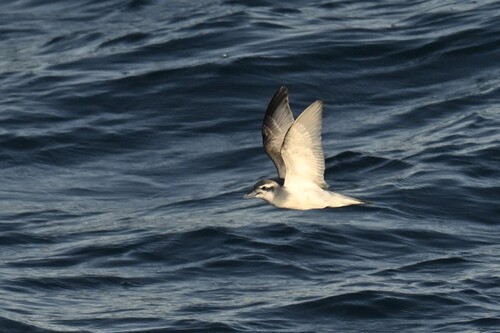
ナンキョククジラドリ (Pachyptila desolata) ナンキョククジラドリ

メディア

読み込み中…

要点

ソフトプラムドペトレルとナンキョククジラドリの最も信頼できるフィールドマークは、頭部と顔のパターンです:ソフトプラムドペトレルは、強い白い頬と喉のパッチを持つ暗い灰色の頭を示し、さらに暗いアイパッチがありますが、ナンキョククジラドリは青灰色の頭を持ち、白い眉があり、際立った白い頬がありません。飛行中、ナンキョククジラドリは上翼と背中に特徴的な暗い'M'パターンを示し、ソフトプラムドペトレルにはこれがありません。構造も役立ちます:ソフトプラムドペトレルは著しく重く、がっしりしており、より尖った尾と長く黒いくちばしを持っているのに対し、クジラドリはより小さく、繊細な体型と青灰色のくちばしを持っています。両種は白い腹部と灰色の上部を持っていますが、顔のパターン、翼のマーキング、全体のサイズに注意を払うことで、ほとんどの条件で区別できます。

識別のコツ

  1. Upperwing pattern in flight (all ages): ナンキョククジラドリは上翼と背中に大胆な暗い'M'または'W'を示し、これは暗い大覆羽と背中から翼先までの暗いラインによって形成されます。ソフトプラムドペトレルはこれを欠き、より単純な灰色の上翼を示します。
  2. Head and face pattern: ソフトプラムドペトレルは、目立つ白い頬と喉のパッチを持つ暗い灰色の頭を持ち、さらに暗いアイパッチと額に白い斑点があります。ナンキョククジラドリは青灰色の頭を持ち、白い眉があり、際立った白い頬がありません。
  3. Bill color and shape: ソフトプラムドペトレルは長く、黒く、鋭くフック状のくちばしを持っています(約25–32 mm)。ナンキョククジラドリのくちばしは短く、青灰色で、フックが少ないです。
  4. Tail shape: ペトレルは尖った尾を持ち、飛行中に明らかです。ナンキョククジラドリの尾はくさび形で黒い先端があります。
  5. Body size and jizz: ソフトプラムドペトレルははるかに重く、がっしりしています(300g対156g)、より強力で直接的な飛行を持っています。ナンキョククジラドリは軽く、より繊細で、ひらひらした敏捷な飛行スタイルを持っています。
  6. Leg and foot color: よく見える場合、ソフトプラムドペトレルは外側の水かきとつま先に黒があるピンクの脚を持っています;ナンキョククジラドリは青い足を持っています。
  7. Underwing color: ソフトプラムドペトレルの下翼は主に暗い灰色です;ナンキョククジラドリの下翼は強くマーキングされているとは記述されていません。
  8. Plumage morphs: ソフトプラムドペトレルは暗い形態を示すことがありますが、顔のパターンと構造は独特のままです。
  9. Flock behavior: ナンキョククジラドリは大きな群れで見られる可能性が高いです;ソフトプラムドペトレルはより孤独または小さなグループで見られます。
  10. Vocalizations: ソフトプラムドペトレルだけがコロニーで騒がしいと記述されています;両者は通常海では静かです。
  11. Habitat context: 両者は遠洋性ですが、ナンキョククジラドリは動物プランクトンが豊富な地域でより一般的である可能性があります。
  12. Confusion risk: ナンキョククジラドリはSalvin's Prionに非常に似ているため、他のクジラドリ種が存在する場合は注意が必要です。ペトレルは頭のパターンがよく見える場合、他の種と混同される可能性が低くなります。
  13. Pitfalls: 遠くからの視界や不良な視界は顔のパターンや翼のマーキングを隠す可能性があります;'M'パターン(クジラドリ)または際立った白い頬(ペトレル)のために明確な飛行視界を優先してください。
  14. Age/sex: メモには、どちらの種についても強い年齢や性別の違いは記述されていません;主要なマークはすべての年齢に適用されます。
  15. Bill structure at distance: 側面からのプロファイルでは、ペトレルの長く、よりフック状のくちばしが距離があっても見える場合がありますが、クジラドリの短く、太いくちばしと比較されます。

大きさ

ソフトプラムドペトレルはナンキョククジラドリと比較してかなり大きく、重いです(体重約300g対156g)。ペトレルはがっしりした体とより頑丈でフック状のくちばしを持っており、クジラドリはより細く軽量です。ナンキョククジラドリの長さは約27 cmで、翼幅は61–66 cmで、最大のクジラドリですが、ソフトプラムドペトレルよりも小さく軽いです。直接比較では、ペトレルはより力強く、深い胸を持ち、より長いくちばしと尖った尾を持っていると期待されます。

羽色

行動

両種は遠洋性で、繁殖地以外では陸上で見ることはまれです。飛行中、ソフトプラムドペトレルはより力強く直接的に見え、狭い翼と尖った尾を持ち、しばしばより硬い翼の打撃で滑空します。ナンキョククジラドリはより浮力があり、敏捷で、ひらひらした飛行と頻繁な方向転換を持っています。クジラドリの軽い体型と短いくちばしは、より繊細で力強さの少ない印象を与えます。両者は海で混合群れで見られることがありますが、ペトレルはその大きなサイズとより目的のある飛行のためにしばしば目立ちます。

生息環境

両種は南極海に生息し、繁殖シーズン以外は厳密に遠洋性です。ナンキョククジラドリは特に動物プランクトンが豊富な湧昇域の近くで大きな群れで見られる可能性が高いです。ソフトプラムドペトレルはより孤独または小さなグループで見られます。生息地だけでは、群れのサイズや採餌行動を観察しない限り、信頼できる区別にはなりません。

声

ソフトプラムドペトレルは騒がしいと記述されており、中程度の音のうめき声と鋭い鳴き声を持ち、特に繁殖コロニーで顕著です。ナンキョククジラドリの声はメモに記述されておらず、海では両者は通常静かです。鳴き声は海での信頼できるフィールドマークではありません。

より良い説明を送る

比較と同じ項目を使ってください。文章はすぐに公開されます。

The most reliable field mark between Soft-plumaged Petrel and Antarctic Prion is the head and face pattern: Soft-plumaged Petrel shows a dark grey head with a strong white cheek and throat patch, plus a dark eye patch, while Antarctic Prion has a blue-grey head with a white eyebrow and lacks the bold white cheek. In flight, Antarctic Prion displays a distinctive dark 'M' pattern across its upperwings and back, which Soft-plumaged Petrel lacks. Structure also helps: Soft-plumaged Petrel is notably heavier and bulkier, with a more pointed tail and longer, black bill, compared to the prion's smaller, more delicate build and blue-grey bill. Both species have white underparts and grey upperparts, but careful attention to face pattern, wing markings, and overall size will separate them in most conditions.

  1. Upperwing pattern in flight (all ages): Antarctic Prion shows a bold dark 'M' or 'W' across the upperwings and back, formed by dark greater coverts and a dark line from back to wingtips. Soft-plumaged Petrel lacks this, showing plainer grey upperwings.
  2. Head and face pattern: Soft-plumaged Petrel has a dark grey head with a prominent white cheek and throat patch, plus a dark eye patch and white speckling on the forehead. Antarctic Prion has a blue-grey head with a white eyebrow, lacking the bold white cheek.
  3. Bill color and shape: Soft-plumaged Petrel has a long, black, sharply hooked bill (~25–32 mm). Antarctic Prion's bill is shorter, blue-grey, and less hooked.
  4. Tail shape: The petrel has a pointed tail, often obvious in flight. Antarctic Prion's tail is wedge-shaped with a black tip.
  5. Body size and jizz: Soft-plumaged Petrel is much heavier and bulkier (300g vs 156g), with a more powerful, direct flight. Antarctic Prion is lighter, more delicate, and has a fluttery, agile flight style.
  6. Leg and foot color: If seen well, Soft-plumaged Petrel has pink legs with black on the outer webs and toes; Antarctic Prion has blue feet.
  7. Underwing color: Soft-plumaged Petrel's underwings are mostly dark grey; Antarctic Prion's underwings are not described as strongly marked.
  8. Plumage morphs: Be aware that Soft-plumaged Petrel can show a dark morph, but the facial pattern and structure remain distinctive.
  9. Flock behavior: Antarctic Prion is more likely to be seen in large flocks; Soft-plumaged Petrel is more solitary or in small groups.
  10. Vocalizations: Only Soft-plumaged Petrel is described as noisy at colonies; both are usually silent at sea.
  11. Habitat context: Both are pelagic, but Antarctic Prion may be more common in areas rich in zooplankton.
  12. Confusion risk: Antarctic Prion is very similar to Salvin's Prion, so be cautious if other prion species are present. The petrel is less likely to be confused with other species if the head pattern is seen well.
  13. Pitfalls: Distant or poor views may obscure the face pattern and wing markings; prioritize clear flight views for the 'M' pattern (prion) or the bold white cheek (petrel).
  14. Age/sex: No strong age or sex differences are described for either species in the notes; the key marks apply to all ages.
  15. Bill structure at distance: In side profile, the petrel's longer, more hooked bill may be visible even at range, compared to the prion's shorter, stubbier bill.

Soft-plumaged Petrel is substantially larger and heavier (body mass ~300g) compared to Antarctic Prion (~156g). The petrel has a bulkier body and a more robust, hooked bill, while the prion is more slender and lightweight. Antarctic Prion's length is about 27 cm with a wingspan of 61–66 cm, making it the largest prion but still smaller and lighter than Soft-plumaged Petrel. In direct comparison, expect the petrel to appear more powerful and deep-chested, with a longer bill and a more pointed tail.

  • Juvenile/immature upperwing pattern: Antarctic Prion (all ages) shows a striking dark 'M' or 'W' pattern across the upperwings and back, created by dark greater coverts and a dark line from the back to the wingtips. This mark is absent in Soft-plumaged Petrel of all ages, which has plainer grey upperwings without the 'M'.
  • Head and face: Soft-plumaged Petrel has a dark grey head with a prominent white cheek and throat, plus a dark eye patch and white speckling on the forehead. Antarctic Prion has a blue-grey head with a white eyebrow and lacks the bold white cheek.
  • Underparts: Both species have mostly white underparts, but Soft-plumaged Petrel's underwings are dark grey, while Antarctic Prion's are less distinctly marked below.
  • Tail: Soft-plumaged Petrel has a pointed tail; Antarctic Prion's tail is grey, wedge-shaped, with a black tip.
  • Bill and legs: Soft-plumaged Petrel has a black, hooked bill and pink legs with black on the outer webs; Antarctic Prion has a blue-grey bill and blue feet.
  • Morphs: Soft-plumaged Petrel can show a dark morph, which may complicate identification, but the facial pattern and structure remain distinctive.

Both species are pelagic and rarely seen on land except at breeding sites. In flight, Soft-plumaged Petrel appears more powerful and direct, with narrow wings and a pointed tail, often gliding with stiffer wingbeats. Antarctic Prion is more buoyant and agile, with a fluttery flight and frequent changes of direction. The prion's lighter build and shorter bill contribute to a more delicate, less forceful impression. Both may be seen in mixed flocks at sea, but the petrel often stands out due to its larger size and more purposeful flight.

Both species inhabit the Southern Ocean and are strictly pelagic outside the breeding season. Antarctic Prion is more likely to be seen in large flocks, especially near upwellings where zooplankton is abundant. Soft-plumaged Petrel is more solitary or in smaller groups. Habitat alone is not a reliable separator unless observing flock size and feeding behavior, which may give subtle clues.

Soft-plumaged Petrel is described as noisy, with medium-pitched moans and shrill squeaks, especially at breeding colonies. Antarctic Prion's voice is not described in the notes, and at sea both are usually silent. Vocalizations are not a reliable field mark at sea.

変更を破棄しますか?

保存していない編集があります。今離れると失われます。

カオジロミズナギドリ · ナンキョククジラドリ · 苦手な鳥