

Grijskuifcachalote vs Bruine cachalote
Pseudoseisura unirufa versus Pseudoseisura lophotes
Speel een quiz met Grijskuifcachalote en Bruine cachalote
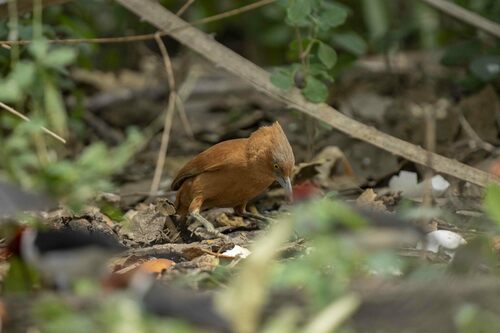 Grijskuifcachalote
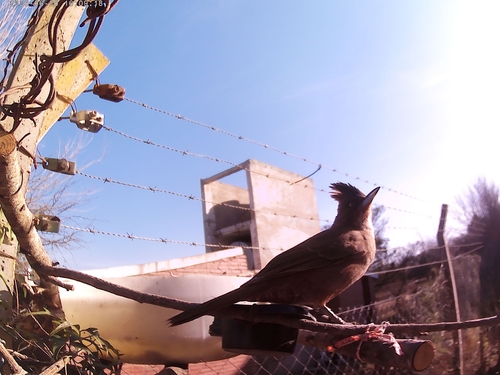 Bruine cachalote
Kort gezegd
Het meest betrouwbare veldkenmerk om Grijskuifcachalote (Pseudoseisura unirufa) van Bruine cachalote (P. lophotes) te scheiden, is de kleur en het patroon van de kuif: Grijskuifcachalote toont vaak een kuif met ten minste enkele grijzige tinten, terwijl de kuif van Bruine cachalote altijd donkerroestkleurig is en nooit grijs. Grijskuifcachalote is ook kleiner en slanker, met een blekere, meer oranjeachtige keel en onderdelen, en een bleker snavel. Bruine cachalote is robuuster, geheel roestkleurig met een bijzonder donkere kuif en vluchtveren, en een zwaardere zwarte snavel. Juveniele en onvolgroeide verenkleed zijn niet sterk onderscheidend tussen de twee, maar juveniele Grijskuifcachalote hebben een kortere, minder uniforme kuif. Beide soorten kunnen overlappen in hun verspreidingsgebied, dus zorgvuldige aandacht voor deze verenkleed- en structurele details is essentieel.
Herkenningstips
- Kleur en patroon van de kuif: Grijskuifcachalote toont vaak een kuif met ten minste enkele grijzige tinten, vooral bij volwassenen; de kuif van Bruine cachalote is altijd donkerroestkleurig en nooit grijs. Dit is het meest betrouwbare veldkenmerk wanneer zichtbaar.
- Algemene grootte en bulk: Bruine cachalote is groter en robuuster, met een merkbaar langer lichaam, vleugels en staart. Grijskuifcachalote is slanker en korter. Gebruik dit in directe vergelijking of wanneer je bekend bent met beide soorten.
- Kleur van de snavel: Grijskuifcachalote heeft een blauwgrijze tot grijze snavel met een blekere onderkaak; de snavel van Bruine cachalote is zwart. Dit verschil is subtiel maar kan van dichtbij worden gezien.
- Onderste delen en keel: Grijskuifcachalote is bleker onder, met een oranjeachtige keel die opvalt ten opzichte van de borst. De keel van Bruine cachalote is bijzonder levendig en donkerder dan de borst, die lichter is.
- Structuur van de kuif: Juveniele Grijskuifcachalote heeft een kortere, minder uniforme kuif dan volwassenen, maar de kuif van Bruine cachalote is altijd prominent en lijkt op die van een gaai.
- Vluchtveren en staart: Bruine cachalote heeft bijzonder donkere vluchtveren en staartveertips; de vluchtveren van Grijskuifcachalote hebben fuscous tips, maar de uiteinden van de staartveren missen weerhaken (geen praktisch veldkenmerk).
- Gezichtspatroon: Bruine cachalote heeft een iets donkerder gebied tussen het oog en de neusgaten; dit is subtiel en het beste te gebruiken bij goed licht.
- Iris kleur: Beide soorten hebben gele irissen als volwassenen, dus dit is geen nuttige scheiding.
- Kleur van de poten: Beide soorten hebben olijf- tot groenachtig grijze poten en voeten; geen betrouwbaar veldkenmerk.
- Juveniele verschillen: Juveniele Grijskuifcachalote hebben een kortere kuif en minder uniforme kleur, maar dit is geen sterke scheiding van juveniele Bruine cachalote in het veld.
- Vocalisaties: Als je een lange, duetachtige, luide zang hoort met een "krok" of "klok" roep, is het waarschijnlijk Bruine cachalote. Grijskuifcachalote's stem is minder goed bekend en niet hier beschreven.
- Gedrag: Bruine cachalote toont vaak op boomtoppen met gefanate staarten en gespreide vleugels, vooral tijdens duetten. Grijskuifcachalote is minder waarschijnlijk te zien in dergelijke vertoningen.
- Neststructuur: Het nest van Bruine cachalote is zeer groot en zwaar (tot 5 kg), met een kenmerkende naar beneden gebogen ingang, maar neststructuur is zelden diagnostisch tenzij van dichtbij gezien.
- Habitat: Terwijl beide in vergelijkbare habitats kunnen voorkomen, is Bruine cachalote waarschijnlijker in open bosranden en parken, vooral verder naar het zuiden in Argentinië en Uruguay. Grijskuifcachalote is meer beperkt tot Bolivia, Brazilië en Paraguay.
- Verspreidingsgebied: Als je het in Argentinië of Uruguay ziet, is het bijna zeker Bruine cachalote; in Bolivia, Brazilië of Paraguay zijn beide soorten mogelijk en moet verenkleed/structuur worden gebruikt.
Grootte
Bruine cachalote is merkbaar groter en zwaarder, met een lengte van 24–26 cm en een gewicht van 63–79 g, vergeleken met Grijskuifcachalote's 20–21 cm en 42–57 g [wikipedia][wikidata]. Bruine cachalote is een van de grootste furnariids, met langere vleugels (123–128,7 mm) en staart (109,4–111,5 mm) dan Grijskuifcachalote. In het veld lijkt Bruine cachalote vaak robuuster en steviger, terwijl Grijskuifcachalote slanker en delicater lijkt.
Verenkleed
- Juveniel/onvolgroeid: Juveniele Grijskuifcachalote hebben een kortere kuif en minder uniforme kleur, maar er is geen sterk contrast in vleugelpatroon of markeringen van vluchtveren beschreven voor beide soorten op deze leeftijd. Bruine cachalote nestjongen hebben groenere irissen, grijzere snavels en meer monotone voeten, maar deze zijn zelden zichtbaar in het veld.
- Volwassen: Grijskuifcachalote is meestal helder roestkleurig, bleker op de onderdelen, met een kuif die varieert van geheel roestkleurig tot bijna volledig grijzig (diagnostisch wanneer grijs aanwezig is). De keel is bleker met een oranje tint, en de snavel is blauwgrijs tot grijs met een blekere onderkaak. Bruine cachalote is geheel roestkleurig, met de kuif en vluchtveren bijzonder donker (nooit grijs), en de keel is bijzonder levendig en donkerder dan de borst. De snavel is zwart, en de iris is geel bij beide soorten. Het gebied tussen het oog en de neusgaten is iets donkerder bij Bruine cachalote, en de onderkant van de staartveren is ook donkerder. De uiteinden van de staartveren van Grijskuifcachalote missen weerhaken, maar dit is geen praktisch veldkenmerk.
Gedrag
Bruine cachalote wordt vaak gezien terwijl hij duetten uitvoert op boomtoppen met gefanate staarten en gespreide vleugels, en staat bekend om zijn opvallende, het hele jaar door nestbouwgedrag. Het broedgedrag van Grijskuifcachalote is minder goed gedocumenteerd, maar beide soorten bouwen grote taknesten. De vertoningen en nestbouw van Bruine cachalote zijn waarschijnlijker te observeren in open of randhabitats, terwijl Grijskuifcachalote minder opvallend kan zijn.
Habitat
Beide soorten overlappen in delen van Bolivia, Brazilië en Paraguay, maar het verspreidingsgebied van Bruine cachalote strekt zich verder naar het zuiden uit in Argentinië en Uruguay. Bruine cachalote wordt aangetroffen in bossen, parken en bosranden, vaak in meer open of randhabitats, terwijl Grijskuifcachalote ook in vergelijkbare gebieden wordt aangetroffen maar mogelijk meer beperkt is tot bepaalde bossoorten. Habitat alleen is niet diagnostisch waar de verspreidingsgebieden overlappen.
Geluid
Bruine cachalote is zeer vocaal, met duetachtige zang bestaande uit luide, grove noten die naar het einde vervagen, tot 25 seconden duurt met ongeveer 2 noten per seconde. Zijn roep is een luide "krok" of "klok." De vocalisaties van Grijskuifcachalote zijn hier niet in detail beschreven, dus de stem is alleen diagnostisch als het kenmerkende duet van Bruine cachalote wordt gehoord.