

Rufous Cacholote vs Brown Cacholote
Pseudoseisura unirufa contro Pseudoseisura lophotes
Fai un quiz con Rufous Cacholote e Brown Cacholote
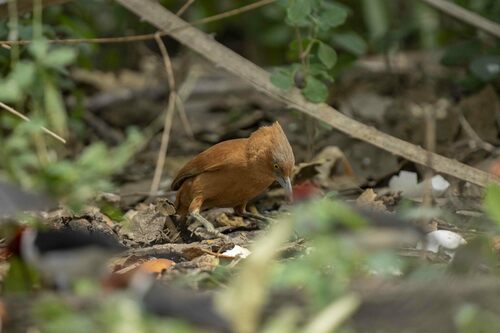 Rufous Cacholote
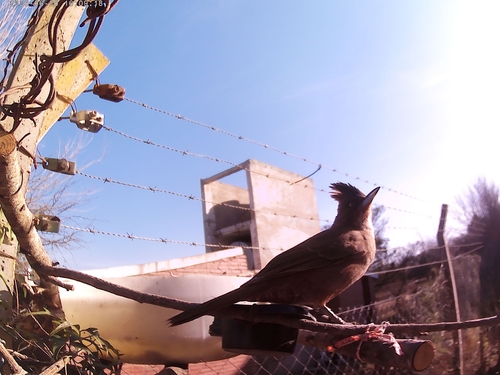 Brown Cacholote
In breve
Il segno distintivo più affidabile per separare il Rufous Cacholote (Pseudoseisura unirufa) dal Brown Cacholote (P. lophotes) è il colore e il motivo della cresta: il Rufous Cacholote mostra spesso una cresta con almeno alcune tonalità grigie, mentre la cresta del Brown Cacholote è sempre di un rufous scuro e mai grigia. Il Rufous Cacholote è anche più piccolo e snello, con una gola e parti inferiori più chiare e tendenti all'arancione, e un becco più chiaro. Il Brown Cacholote è più robusto, completamente rufous nel complesso con una cresta e piume di volo particolarmente scure, e un becco nero più pesante. Le piumature giovanili e immature non sono fortemente distintive tra i due, ma i giovani Rufous Cacholote hanno una cresta più corta e meno uniforme. Entrambe le specie possono sovrapporsi nell'areale, quindi è essenziale prestare attenzione a questi dettagli di piumaggio e struttura.
Consigli di identificazione
- Crest color and pattern: Il Rufous Cacholote mostra spesso una cresta con almeno alcune tonalità grigie, specialmente negli adulti; la cresta del Brown Cacholote è sempre di un rufous scuro e mai grigia. Questo è il segno distintivo più affidabile quando visibile.
- Overall size and bulk: Il Brown Cacholote è più grande e robusto, con un corpo, ali e coda visibilmente più lunghi. Il Rufous Cacholote è più snello e corto. Usa questo in confronto diretto o quando sei familiare con entrambe le specie.
- Bill color: Il Rufous Cacholote ha un becco blu-grigio a grigio con una mandibola più chiara; il becco del Brown Cacholote è nero. Questa differenza è sottile ma può essere vista da vicino.
- Underparts and throat: Il Rufous Cacholote è più chiaro sotto, con una gola tendente all'arancione che si distingue dal petto. La gola del Brown Cacholote è particolarmente vibrante e più scura del petto, che è più chiaro.
- Crest structure: Il giovane Rufous Cacholote ha una cresta più corta e meno uniforme rispetto agli adulti, ma la cresta del Brown Cacholote è sempre prominente e simile a quella di un ghiandaia.
- Flight feathers and tail: Il Brown Cacholote ha piume di volo e punte della coda particolarmente scure; le piume di volo del Rufous Cacholote hanno punte fuscous, ma le estremità delle piume della coda non hanno barbette (non è un segno distintivo pratico).
- Facial pattern: Il Brown Cacholote ha un'area leggermente più scura tra l'occhio e le narici; questo è sottile e meglio utilizzato in buona luce.
- Iris color: Entrambe le specie hanno iridi gialle da adulte, quindi questo non è un separatore utile.
- Leg color: Entrambe le specie hanno gambe e piedi di un grigio verdastro; non è un segno distintivo affidabile.
- Juvenile differences: I giovani Rufous Cacholote hanno una cresta più corta e un colore meno uniforme, ma questo non è un forte separatore dai giovani Brown Cacholote sul campo.
- Vocalizations: Se senti un canto lungo, in duetto e rumoroso con un richiamo "krok" o "cluck", è probabile che sia un Brown Cacholote. La voce del Rufous Cacholote è meno conosciuta e non è descritta qui.
- Behavior: Il Brown Cacholote spesso si esibisce sulla cima degli alberi con code aperte e ali spiegate, specialmente durante i duetti. Il Rufous Cacholote è meno probabile che venga visto in tali esibizioni.
- Nest structure: Il nido del Brown Cacholote è molto grande e pesante (fino a 5 kg), con un ingresso distintivo curvato verso il basso, ma la struttura del nido è raramente diagnostica a meno che non venga vista da vicino.
- Habitat: Sebbene entrambe le specie possano verificarsi in habitat simili, il Brown Cacholote è più probabile che si trovi ai margini di boschi aperti e parchi, specialmente più a sud in Argentina e Uruguay. Il Rufous Cacholote è più ristretto a Bolivia, Brasile e Paraguay.
- Range: Se visto in Argentina o Uruguay, è quasi certamente un Brown Cacholote; in Bolivia, Brasile o Paraguay, entrambe le specie sono possibili e devono essere utilizzati piumaggio/struttura.
Taglia
Il Brown Cacholote è visibilmente più grande e pesante, misurando 24–26 cm di lunghezza e pesando 63–79 g, rispetto ai 20–21 cm e 42–57 g del Rufous Cacholote [wikipedia][wikidata]. Il Brown Cacholote è uno dei più grandi furnariidi, con ali più lunghe (123–128,7 mm) e coda (109,4–111,5 mm) rispetto al Rufous Cacholote. Sul campo, il Brown Cacholote appare spesso più robusto e massiccio, mentre il Rufous Cacholote appare più snello e delicato.
Piumaggio
- Juvenile/immature: I giovani Rufous Cacholote hanno una cresta più corta e una colorazione meno uniforme, ma non è descritto alcun forte contrasto nel motivo delle ali o nelle marcature delle piume di volo per entrambe le specie a questa età. I nidiacei del Brown Cacholote hanno iridi più verdi, becchi più grigi e piedi più monotoni, ma questi sono raramente visibili sul campo.
- Adult: Il Rufous Cacholote è per lo più di un rufous rosso brillante, più chiaro nelle parti inferiori, con una cresta che varia da completamente rufous a quasi completamente grigia (diagnostico quando è presente il grigio). La gola è più chiara con una sfumatura arancione, e il becco è blu-grigio a grigio con una mandibola più chiara. Il Brown Cacholote è completamente rufous, con la cresta e le piume di volo particolarmente scure (mai grigie), e la gola è particolarmente vibrante e più scura del petto. Il becco è nero, e l'iride è gialla in entrambe le specie. L'area tra l'occhio e le narici è leggermente più scura nel Brown Cacholote, e anche la parte inferiore delle piume della coda è più scura. Le punte delle piume della coda del Rufous Cacholote mancano di barbette, ma questo non è un segno distintivo pratico.
Comportamento
Il Brown Cacholote è spesso visto esibirsi in duetti sulla cima degli alberi con code aperte e ali spiegate, ed è noto per il comportamento di costruzione del nido vistoso e durante tutto l'anno. Il comportamento di riproduzione del Rufous Cacholote è meno documentato, ma entrambe le specie costruiscono grandi nidi di rami. L'esibizione e la costruzione del nido del Brown Cacholote sono più probabili da osservare in habitat aperti o ai margini, mentre il Rufous Cacholote potrebbe essere meno appariscente.
Habitat
Entrambe le specie si sovrappongono in alcune parti di Bolivia, Brasile e Paraguay, ma l'areale del Brown Cacholote si estende più a sud in Argentina e Uruguay. Il Brown Cacholote si trova in foreste, parchi e ai margini dei boschi, spesso in habitat più aperti o ai margini, mentre il Rufous Cacholote si trova anche in regioni simili ma potrebbe essere più ristretto a determinati tipi di bosco. L'habitat da solo non è diagnostico dove gli areali si sovrappongono.
Voce
Il Brown Cacholote è altamente vocale, con canti in duetto composti da note rumorose e grezze che svaniscono verso la fine, durando fino a 25 secondi con circa 2 note al secondo. Il suo richiamo è un forte "krok" o "cluck." Le vocalizzazioni del Rufous Cacholote non sono descritte in dettaglio qui, quindi la voce è solo diagnostica se si sente il duetto distintivo del Brown Cacholote.
Rufous Cacholote · Brown Cacholote · I miei uccelli difficili