

Cacholote Crestigrís vs Cacholote Castaño
Pseudoseisura unirufa frente a Pseudoseisura lophotes
Juega un quiz con Cacholote Crestigrís y Cacholote Castaño
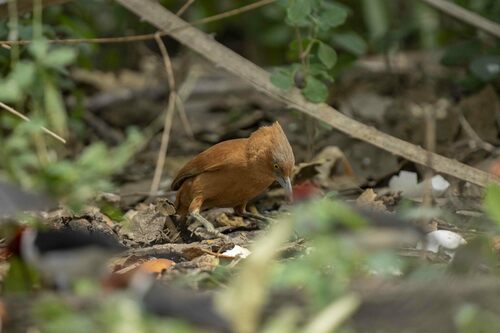 Cacholote Crestigrís
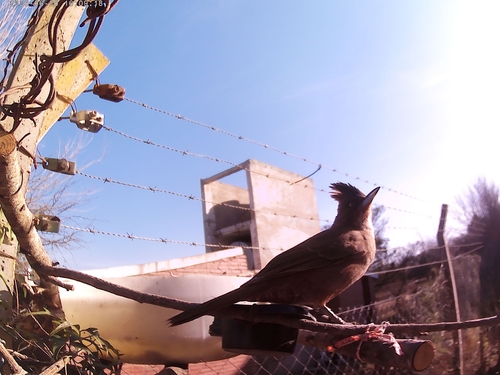 Cacholote Castaño
En breve
La marca de campo más confiable para separar el Cacholote Crestigrís (Pseudoseisura unirufa) del Cacholote Castaño (P. lophotes) es el color y patrón de la cresta: el Cacholote Crestigrís a menudo muestra una cresta con al menos algunos tonos grisáceos, mientras que la cresta del Cacholote Castaño es siempre de un rufous oscuro y nunca gris. El Cacholote Crestigrís también es más pequeño y esbelto, con una garganta y partes inferiores más pálidas y con un tinte anaranjado, y un pico más pálido. El Cacholote Castaño es más robusto, completamente rufous en general con una cresta y plumas de vuelo particularmente oscuras, y un pico negro más pesado. Las plumajes juveniles e inmaduras no son muy distintivas entre los dos, pero los juveniles de Cacholote Crestigrís tienen una cresta más corta y menos uniforme. Ambas especies pueden superponerse en su rango, por lo que prestar atención cuidadosa a estos detalles de plumaje y estructura es esencial.
Consejos de identificación
- Color y patrón de la cresta: El Cacholote Crestigrís a menudo muestra una cresta con al menos algunos tonos grisáceos, especialmente en adultos; la cresta del Cacholote Castaño es siempre de un rufous oscuro y nunca gris. Esta es la marca de campo más confiable cuando es visible.
- Tamaño y volumen general: El Cacholote Castaño es más grande y robusto, con un cuerpo, alas y cola notablemente más largos. El Cacholote Crestigrís es más esbelto y corto. Usa esto en comparación directa o cuando estés familiarizado con ambas especies.
- Color del pico: El Cacholote Crestigrís tiene un pico azul-grisáceo a gris con una mandíbula más pálida; el pico del Cacholote Castaño es negro. Esta diferencia es sutil pero puede verse a corta distancia.
- Partes inferiores y garganta: El Cacholote Crestigrís es más pálido por debajo, con una garganta de tinte anaranjado que destaca del pecho. La garganta del Cacholote Castaño es especialmente vibrante y más oscura que el pecho, que es más claro.
- Estructura de la cresta: El Cacholote Crestigrís juvenil tiene una cresta más corta y menos uniforme que los adultos, pero la cresta del Cacholote Castaño es siempre prominente y con forma de arrendajo.
- Plumas de vuelo y cola: El Cacholote Castaño tiene plumas de vuelo y puntas de plumas de cola especialmente oscuras; las plumas de vuelo del Cacholote Crestigrís tienen puntas fuscous, pero los extremos de las plumas de la cola carecen de barbas (no es una marca de campo práctica).
- Patrón facial: El Cacholote Castaño tiene un área ligeramente más oscura entre el ojo y las fosas nasales; esto es sutil y se utiliza mejor con buena luz.
- Color del iris: Ambas especies tienen iris amarillos como adultos, por lo que esto no es un separador útil.
- Color de las patas: Ambas especies tienen patas y pies de color oliva a gris verdoso; no es una marca de campo confiable.
- Diferencias juveniles: Los juveniles de Cacholote Crestigrís tienen una cresta más corta y un color menos uniforme, pero esto no es un fuerte separador de los juveniles de Cacholote Castaño en el campo.
- Vocalizaciones: Si escuchas una larga canción ruidosa y en dúo con un llamado de "krok" o "cluck", es probable que sea el Cacholote Castaño. La voz del Cacholote Crestigrís es menos conocida y no se describe aquí.
- Comportamiento: El Cacholote Castaño a menudo se exhibe en las copas de los árboles con colas desplegadas y alas extendidas, especialmente durante los dúos. El Cacholote Crestigrís es menos probable que se vea en tales exhibiciones.
- Estructura del nido: El nido del Cacholote Castaño es muy grande y pesado (hasta 5 kg), con una entrada distintiva curvada hacia abajo, pero la estructura del nido rara vez es diagnóstica a menos que se vea de cerca.
- Hábitat: Aunque ambas pueden ocurrir en hábitats similares, el Cacholote Castaño es más probable que se encuentre en bordes de bosques abiertos y parques, especialmente más al sur en Argentina y Uruguay. El Cacholote Crestigrís está más restringido a Bolivia, Brasil y Paraguay.
- Rango: Si se ve en Argentina o Uruguay, es casi seguro que es el Cacholote Castaño; en Bolivia, Brasil o Paraguay, ambas especies son posibles y se debe usar plumaje/estructura.
Tamaño
El Cacholote Castaño es notablemente más grande y pesado, midiendo 24–26 cm de longitud y pesando 63–79 g, en comparación con los 20–21 cm y 42–57 g del Cacholote Crestigrís [wikipedia][wikidata]. El Cacholote Castaño es uno de los furnáridos más grandes, con alas más largas (123–128.7 mm) y cola (109.4–111.5 mm) que el Cacholote Crestigrís. En el campo, el Cacholote Castaño a menudo parece más robusto y voluminoso, mientras que el Cacholote Crestigrís se ve más esbelto y delicado.
Plumaje
- Juvenil/inmaduro: Los juveniles de Cacholote Crestigrís tienen una cresta más corta y una coloración menos uniforme, pero no se describe un fuerte contraste en el patrón de las alas o marcas de plumas de vuelo para ninguna de las especies a esta edad. Los polluelos de Cacholote Castaño tienen iris más verdes, picos más grises y pies más monótonos, pero estos rara vez son visibles en el campo.
- Adulto: El Cacholote Crestigrís es mayormente de un rufous brillante, más pálido en las partes inferiores, con una cresta que varía de todo rufous a casi completamente grisáceo (diagnóstico cuando el gris está presente). La garganta es más pálida con un tinte anaranjado, y el pico es azul-grisáceo a gris con una mandíbula más pálida. El Cacholote Castaño es completamente rufous, con la cresta y las plumas de vuelo especialmente oscuras (nunca grises), y la garganta es particularmente vibrante y más oscura que el pecho. El pico es negro, y el iris es amarillo en ambas especies. El área entre el ojo y las fosas nasales es ligeramente más oscura en el Cacholote Castaño, y la parte inferior de las plumas de la cola también es más oscura. Las puntas de las plumas de la cola del Cacholote Crestigrís carecen de barbas, pero esto no es una marca de campo práctica.
Comportamiento
El Cacholote Castaño a menudo se ve realizando dúos en las copas de los árboles con colas desplegadas y alas extendidas, y es conocido por su comportamiento conspicuo de construcción de nidos durante todo el año. El comportamiento reproductivo del Cacholote Crestigrís está menos documentado, pero ambas especies construyen grandes nidos de ramas. La exhibición y construcción de nidos del Cacholote Castaño son más propensas a ser observadas en hábitats abiertos o de borde, mientras que el Cacholote Crestigrís puede ser menos conspicuo.
Hábitat
Ambas especies se superponen en partes de Bolivia, Brasil y Paraguay, pero el rango del Cacholote Castaño se extiende más al sur en Argentina y Uruguay. El Cacholote Castaño se encuentra en bosques, parques y bordes de bosques, a menudo en hábitats más abiertos o de borde, mientras que el Cacholote Crestigrís también se encuentra en regiones similares pero puede estar más restringido a ciertos tipos de bosques. El hábitat por sí solo no es diagnóstico donde los rangos se superponen.
Voz
El Cacholote Castaño es altamente vocal, con canciones en dúo compuestas de notas ruidosas y ásperas que se desvanecen hacia el final, durando hasta 25 segundos con aproximadamente 2 notas por segundo. Su llamado es un fuerte "krok" o "cluck." Las vocalizaciones del Cacholote Crestigrís no se describen en detalle aquí, por lo que la voz solo es diagnóstica si se escucha el distintivo dúo del Cacholote Castaño.
Cacholote Crestigrís · Cacholote Castaño · Mis aves difíciles