

Roze spreeuw vs Goudlijster
Pastor roseus versus Zoothera aurea
Speel een quiz met Roze spreeuw en Goudlijster
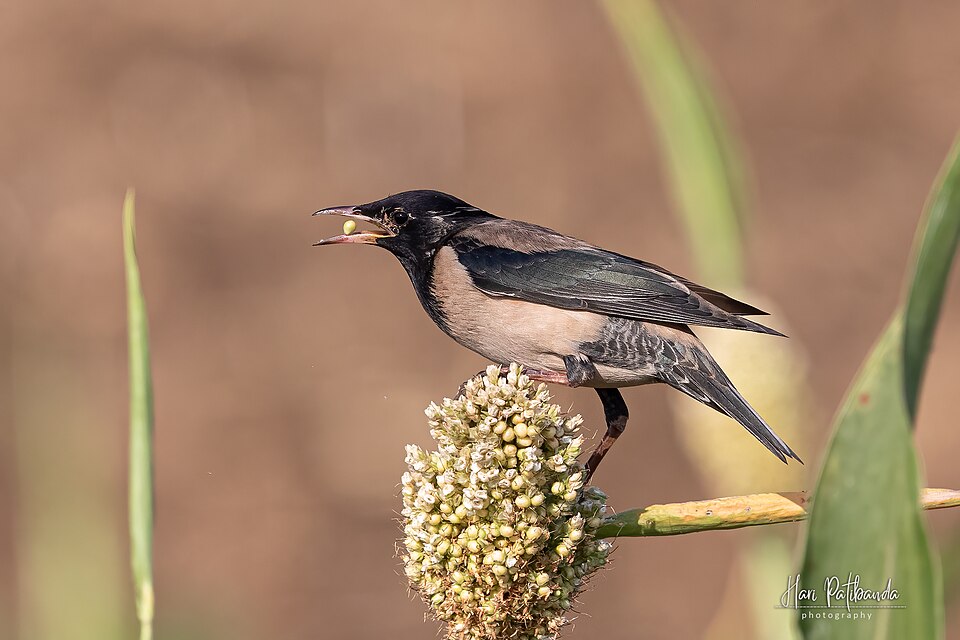 Roze spreeuw
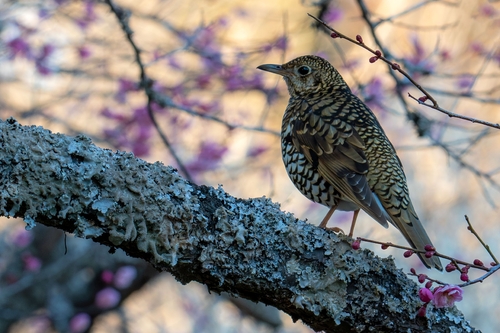 Goudlijster
Kort gezegd
Het meest betrouwbare veldkenmerk om Roze spreeuw van Goudlijster te scheiden is het algemene verenkleed: volwassen Roze spreeuwen in broedkleed tonen een opvallend roze lichaam met glanzend zwarte vleugels, hoofd en staart, terwijl Goudlijster zwaar gepattern is met zwarte schubben op een bleek geelachtige of witte achtergrond. In de vlucht toont Goudlijster een gedurfde zwarte band op de witte ondervleugel, een kenmerk dat nooit aanwezig is bij Roze spreeuw op welke leeftijd dan ook. Juveniele Roze spreeuwen zijn bleek buffy bruin en kunnen oppervlakkig op een lijster lijken, maar missen de sterke schubben en het ondervleugelpatroon van Goudlijster. Structuur, snavelvorm en typische houding verschillen ook sterk tussen deze twee soorten.
Herkenningstips
- Onderwingpatroon in vlucht: Goudlijster toont altijd een gedurfde zwarte band op de witte ondervleugel, zichtbaar in de vlucht op alle leeftijden. Roze spreeuw toont dit kenmerk nooit—zijn ondervleugel is uniform donker of bleek afhankelijk van de leeftijd, maar nooit gebandeerd.
- Juveniele verwarring: Juveniele Roze spreeuwen zijn bleek buffy bruin met een korte gele snavel, en missen enige sterke patroonvorming of schubben. Goudlijster juvenielen zijn al sterk geschubd en gepattern, en tonen de onderwingband.
- Volwassen broedkleed: Volwassen Roze spreeuwen in broedkleed zijn onmiskenbaar: roze lichaam, glanzend zwarte vleugels, hoofd en staart, met een fijne kuif bij mannetjes. Goudlijster toont nooit roze of glanzend zwart, en mist een kuif.
- Niet-broed/immatuur verenkleed: Niet-broed en immatuur Roze spreeuwen zijn doffer en grijzer, maar missen nog steeds de schubben en het ondervleugelpatroon van de lijster. Vrouwtjes en mannetjes van het eerste jaar kunnen minder scherp lijken, maar tonen nooit de kenmerken van de lijster.
- Schubben versus eenvoud: Goudlijster is altijd zwaar geschubd met zwart op een bleke achtergrond, wat een gepattern, bijna reptielachtige uitstraling geeft. Roze spreeuw is eenvoudig of tweekleurig, nooit geschubd.
- Snavelvorm en kleur: Roze spreeuw heeft een korte, puntige snavel (roze-tipt bij broedvolwassenen, geelachtig bij juvenielen), terwijl Goudlijster een langere, robuustere snavel heeft die geschikt is voor een lijster.
- Kuif: Broed mannelijke Roze spreeuwen hebben een fijne kuif, vooral wanneer ze opgewonden zijn. Goudlijster toont nooit een kuif.
- Grootte en structuur: Goudlijster is veel groter, robuuster, en langerstaartiger dan de compacte, kortstaartige Roze spreeuw. Het verschil is duidelijk met ervaring of in gemengde groepen.
- Houding en beweging: Roze spreeuw is vaak rechtop, zit open, en beweegt met snelle, sociale energie. Goudlijster is meer geheimzinnig, vaak op de grond of in dekking, en beweegt met een langzamere, meer doordachte gang.
- Habitatcontext: In open land, landbouwvelden, of tussen grote groepen is Roze spreeuw waarschijnlijker. In dichte bossen of bosranden, vooral als alleen of in paren, is Goudlijster waarschijnlijker.
- Vocalisaties: Luister naar een mengelmoes van piepjes en gerammel van Roze spreeuw, tegenover de luide, gespreide fluiten van Goudlijster.
- Groepsgrootte: Grote, luidruchtige groepen zijn typisch voor Roze spreeuw; Goudlijster is meestal solitair of in kleine familiegroepen.
- Seizoenscontext: Roze spreeuw is een sterke migrant en kan in grote aantallen verschijnen tijdens uitbarstingen, vooral in open habitats. Goudlijster is minder waarschijnlijk te zien in open of stedelijke omgevingen.
- Geslachtsverschillen: Mannelijke Roze spreeuwen in broedkleed hebben een langere kuif en scherpere roze/zwart contrasten dan vrouwtjes; Goudlijster geslachten zijn vergelijkbaar.
- Valstrikken: Immature Roze spreeuwen kunnen op afstand lijsterachtig lijken door eenvoud, maar controleer altijd op schubben en ondervleugelpatroon om Goudlijster te bevestigen.
Grootte
Goudlijster is aanzienlijk groter dan Roze spreeuw, met een lengte van 27–31 cm vergeleken met de 19–22 cm van de spreeuw. De spreeuw is ook lichter (gemiddeld gewicht 73 g) en compacter, terwijl Goudlijster robuuster is met een langere staart en een meer rechtopstaande houding. Het verschil in grootte is meestal duidelijk wanneer goed gezien, vooral als context of nabijgelegen vogels beschikbaar zijn voor vergelijking.
Verenkleed
- Juveniele/immature vogels: Juveniele Roze spreeuwen zijn bleek buffy bruin met een korte gele snavel en missen enige sterke patroonvorming; ze tonen niet de gedurfde zwarte schubben of de zwart-witte ondervleugel van Goudlijster. Goudlijster van alle leeftijden heeft een kenmerkend patroon van zwarte schubben op een bleke achtergrond en, in de vlucht, een diagnostische zwarte band over de witte ondervleugel (alleen gedeeld met Siberische lijster).
- Volwassen broedkleed: Volwassen Roze spreeuwen zijn onmiskenbaar in volledig broedkleed: roze lichaam, glanzend zwarte vleugels, hoofd en staart, met een fijne kuif bij mannetjes. Goudlijster toont nooit roze of glanzend zwart, maar verschijnt altijd geschubd en gepattern.
- Niet-broed/immatuur verenkleed: Niet-broed Roze spreeuwen zijn doffer, met een grijzige-roze lichaam en kortere kuif, maar missen nog steeds de schubben en het ondervleugelpatroon van de lijster. Jonge spreeuwen kunnen minder contrasterend lijken, maar tonen nooit de gedurfde kenmerken van de lijster.
Gedrag
Roze spreeuwen zijn zeer sociaal, vaak gezien in grote groepen, vooral buiten het broedseizoen. Ze zijn rusteloos, sociaal, en zitten vaak op draden of in open, blootgestelde plekken. Goudlijster is typisch solitair of in paren, schuw, en geeft de voorkeur aan schuilen in dichte dekking. Zijn beweging is meer doordacht, vaak wandelend of hoppend op de grond, en hij vliegt met een sterke, stuiterende vlucht die het ondervleugelpatroon toont.
Habitat
Roze spreeuw geeft de voorkeur aan open land, steppen, landbouwgrond, en wordt vaak gezien in door mensen aangepaste landschappen, vooral tijdens uitbarstingen. Goudlijster geeft de voorkeur aan dichte bossen, bosranden, en goed begroeide gebieden, en waagt zich zelden in open velden. Als gezien in een boomloos of landbouwgebied, is Roze spreeuw veel waarschijnlijker.
Geluid
Roze spreeuw produceert een typische spreeuwmix van piepjes en gerammel, vaak met vleugeltrillingen, vooral in groepen. Goudlijster heeft een luide, verdragende mechanische fluit, met lange pauzes tussen zinnen—heel anders dan het gekwetter van de spreeuw. Als je een mechanische, gefloten 'tuuu...tuuu...tuuu' hoort, is het Goudlijster; als je een mengelmoes van piepjes en gerammel hoort, is het de spreeuw.