

Motmot

バライロムクドリ 対 トラツグミ

Pastor roseus 対 Zoothera aurea

バライロムクドリとトラツグミのクイズ
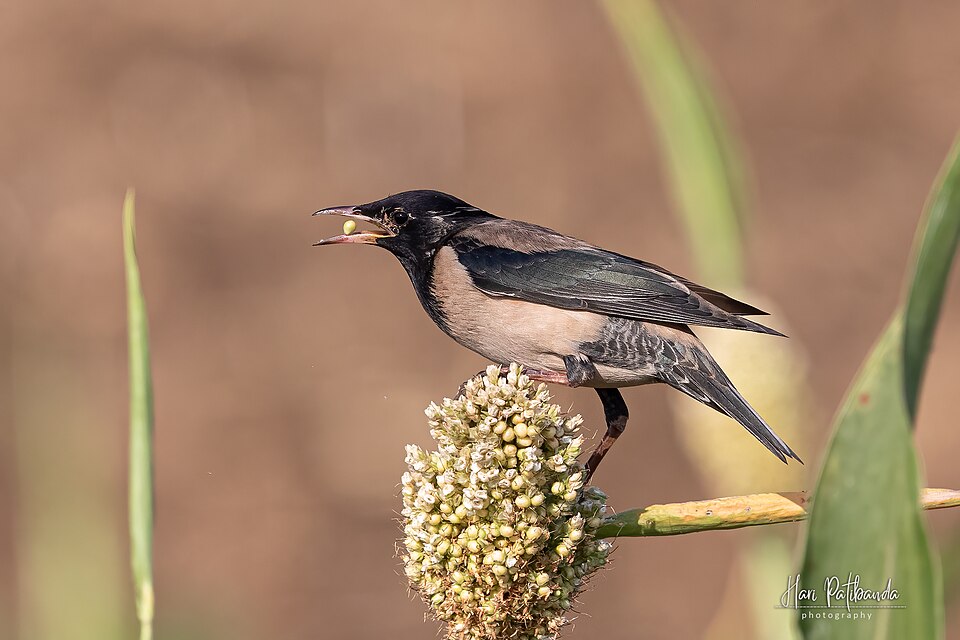
バライロムクドリ (Pastor roseus) バライロムクドリ
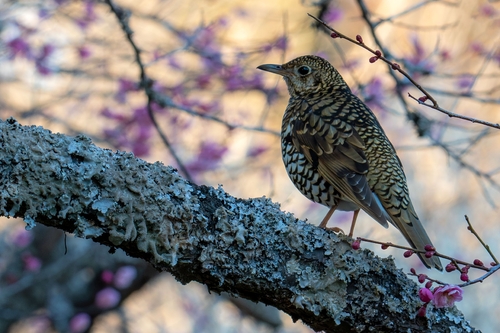
トラツグミ (Zoothera aurea) トラツグミ

メディア

読み込み中…

要点

バライロムクドリとトラツグミを区別する最も信頼できるフィールドマークは全体の羽色です:繁殖羽のバライロムクドリは、光沢のある黒い翼、頭、尾を持つ鮮やかなピンクの体を示しますが、トラツグミは淡い黄色または白の背景に黒いスケーリングが強くパターン化されています。飛行中、トラツグミは白いアンダーウイングに太い黒いバンドを示し、この特徴はバライロムクドリには年齢に関係なく存在しません。幼鳥のバライロムクドリは淡いバフブラウンで、表面的にはツグミのように見えることがありますが、トラツグミの強いスケーリングとアンダーウイングパターンは欠けています。構造、くちばしの形、典型的な姿勢もこの2種の間で著しく異なります。

識別のコツ

  1. Underwing pattern in flight: トラツグミは常に白いアンダーウイングに太い黒いバンドを示し、すべての年齢で飛行中に見えます。バライロムクドリはこの特徴を示さず、アンダーウイングは年齢に応じて均一な暗色または淡色ですが、バンドはありません。
  2. Juvenile confusion: 幼鳥のバライロムクドリは淡いバフブラウンで短い黄色いくちばしを持ち、強いパターンやスケーリングは欠けています。トラツグミの幼鳥はすでに大胆にスケーリングされ、パターン化されており、アンダーウイングバンドを示します。
  3. Adult breeding plumage: 繁殖羽のバライロムクドリの成鳥は間違いなく識別可能です:ピンクの体、光沢のある黒い翼、頭、尾、オスにはふわふわした冠があります。トラツグミは決してピンクや光沢のある黒を示さず、冠もありません。
  4. Non-breeding/immature plumage: 繁殖していないバライロムクドリと未成熟の個体は鈍い色合いで灰色がかったピンクの体と短い冠を持ちますが、ツグミのスケーリングとアンダーウイングパターンは依然として欠けています。雌や1年目のオスはコントラストが少なく見えることがありますが、ツグミのマークは決して示しません。
  5. Scaling vs. plainness: トラツグミは常に淡い背景に黒いスケーリングが強く、パターン化され、ほぼ爬虫類のように見えます。バライロムクドリは単色または二色で、決してスケーリングされません。
  6. Bill shape and color: バライロムクドリは短く尖ったくちばしを持ち(繁殖期の成鳥はピンクの先端、幼鳥は黄色がかっています)、トラツグミはツグミに適した長くて頑丈なくちばしを持っています。
  7. Crest: 繁殖期のオスのバライロムクドリは特に興奮しているときにふわふわした冠を持っています。トラツグミは冠を示しません。
  8. Size and structure: トラツグミはバライロムクドリよりもはるかに大きく、ずんぐりしており、尾が長いです。この違いは経験や混合群で見た場合に明らかです。
  9. Posture and movement: バライロムクドリはしばしば直立して、オープンに止まり、迅速で社交的なエネルギーで動きます。トラツグミはより秘密主義で、しばしば地面やカバーの中にいて、遅くて意図的な歩き方をします。
  10. Habitat context: 開けた国、農業地帯、大きな群れの中ではバライロムクドリがより可能性が高いです。密な森林や森林の端、特に単独またはペアでいる場合はトラツグミがより可能性があります。
  11. Vocalizations: バライロムクドリの鳴き声は、トラツグミの大きくて間隔のある口笛とは対照的に、きしみや rattles の混合音を聞いてください。
  12. Flock size: 大きくて騒がしい群れはバライロムクドリに典型的です。トラツグミは通常、単独または小さな家族グループで見られます。
  13. Seasonal context: バライロムクドリは強い渡り鳥で、特に開けた生息地での暴発時に大量に現れることがあります。トラツグミは開けた場所や都市環境で見られる可能性が低いです。
  14. Sex differences: 繁殖羽のオスのバライロムクドリは、雌よりも長い冠と鋭いピンク/黒のコントラストを持っています。トラツグミの性別は似ています。
  15. Pitfalls: 未熟なバライロムクドリは、単純さのために遠くから見るとツグミのように見えることがありますが、トラツグミを確認するためにスケーリングとアンダーウイングパターンを常に確認してください。

大きさ

トラツグミはバライロムクドリよりもかなり大きく、長さは27〜31 cmで、バライロムクドリは19〜22 cmです。バライロムクドリはまた軽く(平均質量73 g)コンパクトですが、トラツグミはずんぐりしていて尾が長く、より頑丈で直立した姿勢を持っています。サイズの違いは、特に文脈や近くの鳥が比較のために利用できる場合、よく見たときに通常明らかです。

羽色

行動

バライロムクドリは非常に群れを成す傾向があり、特に繁殖シーズン外では大きな群れで見られることが多いです。彼らは落ち着きがなく、社交的で、しばしばワイヤーやオープンで露出した場所に止まります。トラツグミは通常、単独またはペアで、内気で、密なカバーの中に隠れることを好みます。彼らの動きはより意図的で、しばしば地面を歩いたり跳ねたりし、アンダーウイングパターンを示す強いバウンドの飛行でフラッシュします。

生息環境

バライロムクドリは開けた国、ステップ、農業地帯を好み、特に暴発時には人間が改変した風景でよく見られます。トラツグミは密な森林、森林の端、よく植生のある地域を好み、開けた野原にはめったに出てきません。樹木のない農業地帯で見られた場合、バライロムクドリの方がはるかに可能性が高いです。

声

バライロムクドリは典型的なムクドリのきしみや rattles の混合音を生成し、特に群れの中では翼を震わせることがよくあります。トラツグミは大きくて遠くまで響く機械的な口笛を持ち、フレーズの間に長い間隔があります—ムクドリのチャッターとは非常に異なります。もし機械的な口笛の「tuuu...tuuu...tuuu」を聞いたら、それはトラツグミです。もしきしみや rattles の混合音を聞いたら、それはムクドリです。

より良い説明を送る

比較と同じ項目を使ってください。文章はすぐに公開されます。

The most reliable field mark to separate Rose-coloured Starling from White's Thrush is overall plumage: adult Rose-coloured Starlings in breeding plumage show a striking pink body with glossy black wings, head, and tail, while White's Thrush is heavily patterned with black scaling on a pale yellowish or white background. In flight, White's Thrush shows a bold black band on the white underwing, a feature never present in Rose-coloured Starling at any age. Juvenile Rose-coloured Starlings are pale buffy brown and can look superficially thrush-like, but lack the strong scaling and underwing pattern of White's Thrush. Structure, bill shape, and typical posture also differ markedly between these two species.

  1. Underwing pattern in flight: White's Thrush always shows a bold black band on the white underwing, visible in flight at all ages. Rose-coloured Starling never shows this feature—its underwing is uniform dark or pale depending on age, but never banded.
  2. Juvenile confusion: Juvenile Rose-coloured Starlings are pale buffy brown with a short yellow bill, lacking any strong patterning or scaling. White's Thrush juveniles are already boldly scaled and patterned, and show the underwing band.
  3. Adult breeding plumage: Adult Rose-coloured Starlings in breeding plumage are unmistakable: pink body, glossy black wings, head, and tail, with a wispy crest in males. White's Thrush never shows pink or glossy black, and lacks a crest.
  4. Non-breeding/immature plumage: Non-breeding and immature Rose-coloured Starlings are duller and greyer, but still lack the thrush's scaling and underwing pattern. Females and first-year males may appear less crisp, but never show the thrush's marks.
  5. Scaling vs. plainness: White's Thrush is always heavily scaled with black on a pale background, giving a patterned, almost reptilian look. Rose-coloured Starling is plain or two-toned, never scaled.
  6. Bill shape and color: Rose-coloured Starling has a short, pointed bill (pink-tipped in breeding adults, yellowish in juveniles), while White's Thrush has a longer, more robust bill suited to a thrush.
  7. Crest: Breeding male Rose-coloured Starlings have a wispy crest, especially when excited. White's Thrush never shows a crest.
  8. Size and structure: White's Thrush is much larger, bulkier, and longer-tailed than the compact, short-tailed Rose-coloured Starling. The difference is obvious with experience or in mixed flocks.
  9. Posture and movement: Rose-coloured Starling is often upright, perching openly, and moves with quick, social energy. White's Thrush is more secretive, often on the ground or in cover, and moves with a slower, more deliberate gait.
  10. Habitat context: In open country, agricultural fields, or among large flocks, Rose-coloured Starling is more likely. In dense woodland or forest edge, especially if alone or in pairs, White's Thrush is more probable.
  11. Vocalizations: Listen for a jumble of squeaks and rattles from Rose-coloured Starling, versus the loud, spaced whistles of White's Thrush.
  12. Flock size: Large, noisy flocks are typical of Rose-coloured Starling; White's Thrush is usually solitary or in small family groups.
  13. Seasonal context: Rose-coloured Starling is a strong migrant and may appear in large numbers during irruptions, especially in open habitats. White's Thrush is less likely to be seen in open or urban settings.
  14. Sex differences: Male Rose-coloured Starlings in breeding plumage have a longer crest and sharper pink/black contrast than females; White's Thrush sexes are similar.
  15. Pitfalls: Immature Rose-coloured Starlings may appear thrush-like at a distance due to plainness, but always check for scaling and underwing pattern to confirm White's Thrush.

White's Thrush is substantially larger than Rose-coloured Starling, with a length of 27–31 cm compared to the starling's 19–22 cm. The starling is also lighter (average mass 73 g) and more compact, while White's Thrush is bulkier with a longer tail and a more robust, upright stance. The difference in size is usually obvious when seen well, especially if context or nearby birds are available for comparison.

  • Juvenile/immature birds: Juvenile Rose-coloured Starlings are pale buffy brown with a short yellow bill and lack any strong patterning; they do not show the bold black scaling or the black-and-white underwing of White's Thrush. White's Thrush of all ages has a distinctive pattern of black scaling on a pale background and, in flight, a diagnostic black band across the white underwing (shared only with Siberian Thrush).
  • Adult breeding plumage: Adult Rose-coloured Starlings are unmistakable in full breeding plumage: pink body, glossy black wings, head, and tail, with a wispy crest in males. White's Thrush never shows pink or glossy black, instead always appearing scaled and patterned.
  • Non-breeding/immature plumage: Non-breeding Rose-coloured Starlings are duller, with greyish-pink body and shorter crest, but still lack the thrush's scaling and underwing pattern. Young starlings may appear less contrasting, but never show the thrush's bold marks.

Rose-coloured Starlings are highly gregarious, often seen in large flocks, especially outside the breeding season. They are restless, social, and frequently perch on wires or in open, exposed spots. White's Thrush is typically solitary or in pairs, shy, and prefers to skulk in dense cover. Its movement is more deliberate, often walking or hopping on the ground, and it flushes with a strong, bounding flight showing the underwing pattern.

Rose-coloured Starling favors open country, steppes, agricultural land, and is often seen in human-modified landscapes, especially during irruptions. White's Thrush prefers dense woodland, forest edges, and well-vegetated areas, rarely venturing into open fields. If seen in a treeless or agricultural setting, Rose-coloured Starling is far more likely.

Rose-coloured Starling produces a typical starling mix of squeaks and rattles, often with wing trembling, especially in flocks. White's Thrush has a loud, far-carrying mechanical whistle, with long pauses between phrases—very different from the starling's chattering. If you hear a mechanical, whistled 'tuuu...tuuu...tuuu', it's White's Thrush; if you hear a jumble of squeaks and rattles, it's the starling.

変更を破棄しますか?

保存していない編集があります。今離れると失われます。

バライロムクドリ · トラツグミ · 苦手な鳥