

Rotsduif vs Zomertortel
Columba livia versus Streptopelia turtur
Speel een quiz met Rotsduif en Zomertortel
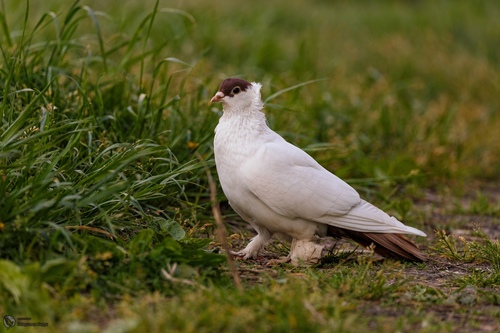 Rotsduif
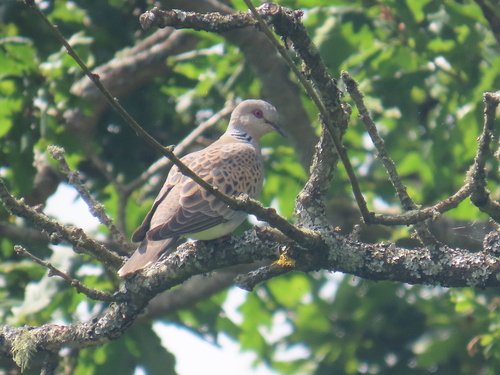 Zomertortel
Kort gezegd
Het meest betrouwbare veldkenmerk tussen Rotsduif en Zomertortel is het vleugel- en staartpatroon in de vlucht: Rotsduiven (wilde type) tonen brede lichtgrijze vleugels met twee gedurfde zwarte banden en een solide donkere staartband, terwijl Zomertortels warme kaneelbruine, zwartgevlekte vleugels hebben en een kenmerkende wigvormige staart met witte randen en punt. Juveniele Tortels missen de nekvlek van de volwassen vogels, maar tonen nog steeds het unieke staartpatroon. Rotsduiven zijn veel robuuster, met een uniforme grijze uitstraling en iriserende nek, terwijl Tortels merkbaar kleiner, slanker zijn en een zwart-witte gestreepte nekvlek hebben (alleen volwassen). Als je een duifachtige vogel ziet met een witte onderrug en twee zwarte vleugelbanden, is het een Rotsduif; als je een slanke tortel ziet met een warme bruine vleugel en een witgetipte staart, is het een Tortel.
Herkenningstips
- Vluchtstaartpatroon (alle leeftijden): Tortel toont een wigvormige staart met witte randen en punt, die van onderen een zwartachtige chevron vormt; Rotsduif heeft een vierkante staart met een solide zwarte eindband en een witte onderrug.
- Vleugelpatroon (alle leeftijden): Rotsduif toont altijd twee gedurfde zwarte vleugelbanden op lichtgrijze vleugels; Tortel heeft warme kaneelbruine vleugels met zwarte vlekken en geen vleugelbanden.
- Juveniele verwarring: Juveniele Zomertortels missen de nekvlek van de volwassen vogels, maar tonen nog steeds het kenmerkende staartpatroon en warme bruine vleugels; juvenile Rotsduiven lijken op doffere volwassenen, maar hebben altijd twee zwarte vleugelbanden en een witte onderrug.
- Nekvlek (alleen volwassenen): Volwassen Zomertortels hebben een zwart-witte gestreepte vlek aan de zijkant van de nek; Rotsduiven hebben deze eigenschap nooit.
- Rugkleur: Rotsduif toont een witte onderrug (opvallend in de vlucht); de rug van de Tortel is blauwgrijs tot bruinachtig, nooit wit.
- Hoofd- en nekiriserentie: Rotsduiven hebben groenachtige tot roodachtig-paarse iriserentie op de nek; Tortels hebben een blauwgrijs hoofd en nek met de gestreepte vlek (volwassen).
- Snavel en poten: Beide hebben rode tot roze poten, maar de poten en het oogring van de Tortel zijn levendiger rood; de snavel is zwart bij de Tortel, grijs-zwart bij de Rotsduif.
- Grootte en structuur: Rotsduif is veel robuuster, met een brede borst en zware bouw; Tortel is merkbaar kleiner, slanker en delicater.
- Staartvorm: De staart van de Tortel is lang en wigvormig met witte randen; de staart van de Rotsduif is korter, vierkanter, met een zwarte band.
- Vluchtstijl: Rotsduiven zweven vaak en cirkelen, met luide vleugelklappen bij het opstijgen; Tortels vliegen recht en stil, vaak laag en pijlachtig.
- Vluchtgrootte: Rotsduiven vaak in grote, luidruchtige groepen; Tortels meestal solitair of in paren, zelden in groepen.
- Habitat: Rotsduiven (wilde type) in afgelegen rotsachtige kusten, verwilderde duiven overal; Tortels in open bosgebieden, hagen en grote tuinen, zelden stedelijk.
- Stem: Het gekoer van de Rotsduif is zacht en wankel; het lied van de Tortel is een spinnende 'turrr-turrr', heel anders.
- Seizoensgebondenheid: Tortels zijn alleen aanwezig in de lente-zomer (broeden/migratie); Rotsduiven en verwilderde duiven zijn het hele jaar door residentieel.
- Valstrikken: Verwilderde duiven (huiselijke Rotsduiven) kunnen variabel verenkleed vertonen, maar nooit het staartpatroon of de nekvlek van de Tortel; controleer altijd het staart- en vleugelpatroon in de vlucht voor een definitieve identificatie.
Grootte
Rotsduif is veel zwaarder en robuuster (lichaamsgewicht ~280,5g) dan de Zomertortel (~136g). Rotsduiven zijn 30–35 cm lang met een spanwijdte van 62–68 cm, terwijl Tortels 26–28 cm lang zijn met een spanwijdte van 47–53 cm. In het veld zien Rotsduiven er chunky en breedborstig uit, terwijl Tortels merkbaar kleiner, slanker en delicater zijn.
Verenkleed
-
Juveniele/onvolwassen vogels: Juveniele Zomertortels zijn bruiner en doffer dan volwassenen, missen de zwart-witte nekvlek, maar tonen nog steeds de kenmerkende wigvormige staart met witte randen en punt in de vlucht. Juveniele Rotsduiven lijken op doffere versies van volwassenen, met minder nekiriserentie en een over het algemeen uniforme grijze uitstraling; ze tonen altijd twee zwarte vleugelbanden en een witte onderrug.
-
Volwassenen: Volwassen Rotsduiven hebben een lichtgrijs lichaam, twee scherpe zwarte vleugelbanden, een witte onderrug en een zwarte staartband. Hun hoofd, nek en borst zijn donker blauwgrijs met groenachtig-paarse iriserentie op de nek. Volwassen Zomertortels hebben een blauwgrijs hoofd en achterste, kaneelbruine vleugels met zwarte vlekken, een vinachtige borst en een diagnostische zwart-witte gestreepte vlek aan de zijkant van de nek. De staart is wigvormig met een donkere kern en brede witte randen en punt, die van onderen een zwartachtige chevron vormt. De onderdelen zijn wit op de buik en onderstaartdeksels. De snavel is zwart, poten en oogring zijn rood.
-
In de vlucht: Rotsduiven tonen een brede, lichte ondervleugel met twee zwarte banden en een witte onderrug; de staart heeft een solide zwarte eindband. Tortels tonen een warme bruine, gevlekte bovenvleugel en een witgetipte, wigvormige staart met witte randen, heel anders dan het patroon van de Rotsduif.
Gedrag
Rotsduiven worden vaak gezien in grote, luidruchtige groepen, vooral in stedelijke of kustgebieden, en stijgen op met luide vleugelklappen. Ze zweven en cirkelen vaak boven ons. Tortels zijn veel schuchterder, vormen zelden grote groepen en worden meestal alleen of in paren gezien, stil voeden op de grond of zittend aan de randen van open bossen. Hun vlucht wordt beschreven als pijlachtig en recht, maar niet bijzonder snel. Tortels worden veel minder vaak gezien in stedelijke omgevingen en zijn over het algemeen geheimzinniger.
Habitat
Rotsduiven (wilde type) zijn nu voornamelijk beperkt tot afgelegen kustkliffen en eilanden in Noordwest-Europa, maar verwilderde/huiselijke duiven (afgeleid van Rotsduiven) zijn alomtegenwoordig in steden, dorpen en landbouwgrond. Tortels geven de voorkeur aan open bossen, hagen en grote tuinen, vermijden dichte bossen en stedelijke centra. Ze zijn migrerend, broeden in Europa en overwinteren in sub-Sahara Afrika, en worden zelden gezien buiten het migratie- en broedseizoen. Tortels worden veel minder vaak gezien in stedelijke of rotsachtige kusthabitats.
Geluid
Rotsduiven geven een zacht, licht wankelend gekoer ('crruoo-u'), met variaties voor alarm en vertoning. Hun roep is meer een klassieke duifgekoer. Tortels hebben een distinctief, spinnend, 'turrr-turrr' lied, vaak beschreven als treurig of spinnend, heel anders dan het gekoer van de Rotsduif. Beide soorten zijn over het algemeen stil tijdens het voeden, maar het lied van de Tortel is een klassiek zomer geluid in geschikte habitats.