

Motmot

カワラバト 対 コキジバト

Columba livia 対 Streptopelia turtur

カワラバトとコキジバトのクイズ
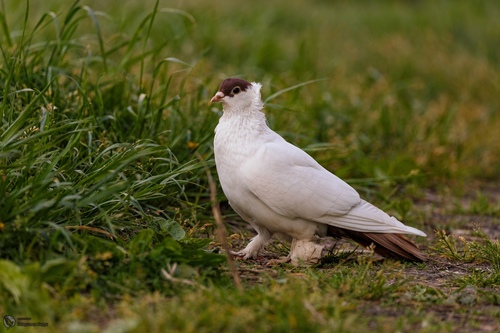
カワラバト (Columba livia) カワラバト
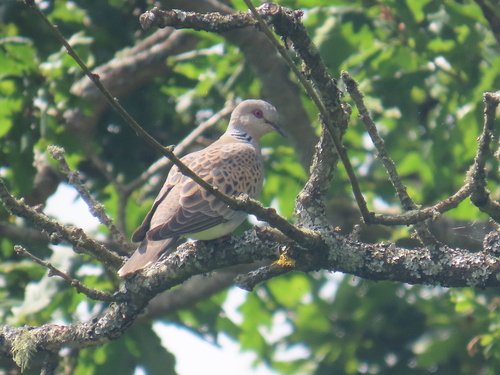
コキジバト (Streptopelia turtur) コキジバト

メディア

読み込み中…

要点

カワラバトとコキジバトの間で最も信頼できるフィールドマークは、飛行中の翼と尾のパターンです:カワラバト(野生型)は、2本の太い黒いバーと固体の暗い尾帯を持つ広い淡い灰色の翼を示しますが、コキジバトは温かみのあるシナモンブラウンで黒斑のある翼と、白い縁と先端を持つ特徴的なくさび形の尾を持っています。幼鳥のコキジバトは成鳥の首のパッチが欠けていますが、独特の尾のパターンは示します。カワラバトはずっとずっしりとしており、均一な灰色の外観と虹色の首を持っていますが、コキジバトは明らかに小さく、スリムで、黒と白のストライプの首のパッチ(成鳥のみ)があります。白い下背部と2本の黒い翼のバーを持つ鳩のような鳥を見たら、それはカワラバトです;温かみのある茶色の翼と白い先端の尾を持つ細長い鳩を見たら、それはコキジバトです。

識別のコツ

  1. Flight tail pattern (all ages): コキジバトは白い縁と先端を持つくさび形の尾を示し、下から見ると黒っぽいV字型を形成します;カワラバトは、固体の黒い端帯と白い下背部を持つ四角い尾を持っています。
  2. Wing pattern (all ages): カワラバトは常に淡い灰色の翼に2本の太い黒い翼のバーを示します;コキジバトは温かみのあるシナモンブラウンの翼を持ち、黒の斑点があり、翼のバーはありません。
  3. Juvenile confusion: 幼鳥のコキジバトは成鳥の首のパッチが欠けていますが、独特の尾のパターンと温かみのある茶色の翼を示します;幼鳥のカワラバトは鈍い成鳥のように見えますが、常に2本の黒い翼のバーと白い下背部を持っています。
  4. Neck patch (adults only): 成鳥のコキジバトは首の側に黒と白のストライプのパッチを持っています;カワラバトはこの特徴を持っていません。
  5. Back color: カワラバトは白い下背部を示します(飛行中に目立つ);コキジバトの背中は青灰色から茶色がかっており、決して白ではありません。
  6. Head and neck iridescence: カワラバトは首に緑がかった赤紫色の虹色を持っています;コキジバトはストライプのパッチ(成鳥)を持つ青灰色の頭と首を持っています。
  7. Bill and legs: 両者とも赤からピンクの脚を持っていますが、コキジバトの脚と目のリングはより鮮やかな赤です;くちばしはコキジバトでは黒、カワラバトでは灰黒です。
  8. Size and structure: カワラバトはずっとずっしりとしており、広い胸と重い体型を持っています;コキジバトは明らかに小さく、スリムで、より繊細です。
  9. Tail shape: コキジバトの尾は長く、白い縁を持つくさび形です;カワラバトの尾は短く、四角い形で、黒い帯があります。
  10. Flight style: カワラバトはしばしば滑空し、円を描き、騒がしい翼の拍手で離陸します;コキジバトは直接的で静かに飛び、しばしば低く矢のように飛びます。
  11. Flock size: カワラバトはしばしば大きくて騒がしい群れで見られます;コキジバトは通常、単独またはペアで、群れを作ることは稀です。
  12. Habitat: カワラバト(野生型)は遠隔の岩の海岸に生息し、野生の鳩はどこにでもいます;コキジバトは開けた森林、垣根、大きな庭に生息し、都市部は稀です。
  13. Voice: カワラバトのクーは柔らかく、揺れています;コキジバトの歌は「ターター」という鳴き声で、非常に異なります。
  14. Seasonality: コキジバトは春から夏(繁殖/移動)のみ存在します;カワラバトと野生の鳩は年間を通じて生息しています。
  15. Pitfalls: 野生の鳩(飼いならされたカワラバト)は変動する羽毛を示すことがありますが、コキジバトの尾のパターンや首のパッチは決して持っていません;常に飛行中の尾と翼のパターンを確認して、確定的な識別を行ってください。

大きさ

カワラバトはコキジバトよりもずっと重く、ずっしりしています(体重約280.5g); コキジバトは約136gです。カワラバトは30〜35 cmの長さで、翼幅は62〜68 cmですが、コキジバトは26〜28 cmの長さで、翼幅は47〜53 cmです。フィールドでは、カワラバトはずっしりとして広い胸を持っているように見えますが、コキジバトは明らかに小さく、スリムで、全体的に繊細です。

羽色

行動

カワラバトは特に都市部や海岸地域で大きくて騒がしい群れで見られることが多く、騒がしい翼の拍手で離陸します。彼らは頻繁に滑空し、頭上で円を描きます。コキジバトはずっと内気で、大きな群れを形成することは稀で、通常は単独またはペアで見られ、静かに地面で餌を食べたり、開けた森林の端に止まったりします。彼らの飛行は矢のように直接的ですが、特に速くはありません。コキジバトは都市の環境で見られる可能性が低く、全体的により秘密主義です。

生息環境

カワラバト(野生型)は現在、北西ヨーロッパの遠隔の海岸の崖や島に主に制限されていますが、野生の/飼いならされた鳩(カワラバトから派生)は都市、町、農地に広く存在します。コキジバトは開けた森林、垣根、大きな庭を好み、密集した森林や都市の中心を避けます。彼らは移動性で、ヨーロッパで繁殖し、サハラ以南のアフリカで越冬し、移動や繁殖シーズン以外ではほとんど見られません。コキジバトは都市や岩の海岸の生息地で見られる可能性が低いです。

声

カワラバトは柔らかく、わずかに揺れるクー(「クルーウー」)を出し、警戒やディスプレイのための変化があります。彼らの呼び声は、よりクラシックな鳩のクーです。コキジバトは独特の、鳴き声の「ターター」を持ち、しばしば悲しげまたは鳴くように表現され、カワラバトのクーとは非常に異なります。両種は餌を食べているときは一般的に静かですが、コキジバトの歌は適切な生息地での夏のクラシックな音です。

より良い説明を送る

比較と同じ項目を使ってください。文章はすぐに公開されます。

The single most reliable field mark between Rock Dove and European Turtle Dove is the wing and tail pattern in flight: Rock Doves (wild type) show broad pale grey wings with two bold black bars and a solid dark tail band, while European Turtle Doves have warm cinnamon-brown, black-mottled wings and a distinctive wedge-shaped tail with white edges and tip. Juvenile Turtle Doves lack the adult's neck patch but still show the unique tail pattern. Rock Doves are much bulkier, with a uniform grey look and iridescent neck, whereas Turtle Doves are noticeably smaller, slimmer, and have a black-and-white striped neck patch (adult only). If you see a pigeon-like bird with a white lower back and two black wing bars, it's a Rock Dove; if you see a slender dove with a warm brown wing and a white-tipped tail, it's a Turtle Dove.

  1. Flight tail pattern (all ages): Turtle Dove shows a wedge-shaped tail with white edges and tip, forming a blackish chevron from below; Rock Dove has a square tail with a solid black terminal band and white lower back.
  2. Wing pattern (all ages): Rock Dove always shows two bold black wing bars on pale grey wings; Turtle Dove has warm cinnamon-brown wings with black mottling and no wing bars.
  3. Juvenile confusion: Juvenile Turtle Doves lack the adult neck patch but still show the distinctive tail pattern and warm brown wings; juvenile Rock Doves look like duller adults but always have two black wing bars and a white lower back.
  4. Neck patch (adults only): Adult Turtle Doves have a black-and-white striped patch on the side of the neck; Rock Doves never have this feature.
  5. Back color: Rock Dove shows a white lower back (conspicuous in flight); Turtle Dove's back is blue-grey to brownish, never white.
  6. Head and neck iridescence: Rock Doves have greenish to reddish-purple iridescence on the neck; Turtle Doves have a blue-grey head and neck with the striped patch (adults).
  7. Bill and legs: Both have red to pink legs, but Turtle Dove's legs and eye ring are more vivid red; bill is black in Turtle Dove, grey-black in Rock Dove.
  8. Size and structure: Rock Dove is much bulkier, with a broad chest and heavy jizz; Turtle Dove is noticeably smaller, slender, and more delicate.
  9. Tail shape: Turtle Dove's tail is long and wedge-shaped with white edges; Rock Dove's tail is shorter, squarer, with a black band.
  10. Flight style: Rock Doves often glide and circle, with noisy wing claps on takeoff; Turtle Doves fly directly and quietly, often low and arrow-like.
  11. Flock size: Rock Doves often in large, noisy flocks; Turtle Doves usually solitary or in pairs, rarely in groups.
  12. Habitat: Rock Doves (wild type) in remote rocky coasts, feral pigeons everywhere; Turtle Doves in open woodland, hedgerows, and large gardens, rarely urban.
  13. Voice: Rock Dove's coo is soft and wavering; Turtle Dove's song is a purring 'turrr-turrr', very different.
  14. Seasonality: Turtle Doves are present only in spring-summer (breeding/migration); Rock Doves and feral pigeons are resident year-round.
  15. Pitfalls: Feral pigeons (domestic Rock Doves) can show variable plumage but never the Turtle Dove's tail pattern or neck patch; always check tail and wing pattern in flight for a definitive ID.

Rock Dove is much heavier and bulkier (body mass ~280.5g) than the European Turtle Dove (~136g). Rock Doves are 30–35 cm long with a 62–68 cm wingspan, while Turtle Doves are 26–28 cm long with a 47–53 cm wingspan. In the field, Rock Doves look chunky and broad-chested, while Turtle Doves are noticeably smaller, more slender, and delicate overall.

  • Juvenile/immature birds: Juvenile European Turtle Doves are browner and duller than adults, lacking the black-and-white neck patch, but still show the distinctive wedge-shaped tail with white edges and tip in flight. Juvenile Rock Doves look like duller versions of adults, with less neck iridescence and a generally uniform grey appearance; they always show two black wing bars and a white lower back.

  • Adults: Adult Rock Doves have a pale grey body, two crisp black wing bars, a white lower back, and a black tail band. Their head, neck, and chest are dark bluish-grey with greenish-purple iridescence on the neck. Adult Turtle Doves have a blue-grey head and rump, cinnamon-brown wings with black mottling, a vinaceous breast, and a diagnostic black-and-white striped patch on the side of the neck. The tail is wedge-shaped with a dark center and broad white borders and tip, forming a blackish chevron from below. Underparts are white on the belly and undertail coverts. The bill is black, legs and eye ring are red.

  • In flight: Rock Doves show a broad, pale underwing with two black bars and a white lower back; the tail has a solid black terminal band. Turtle Doves show a warm brown, mottled upperwing and a white-tipped, wedge-shaped tail with white edges, very different from the Rock Dove's pattern.

Rock Doves are often seen in large, noisy flocks, especially in urban or coastal areas, and take off with loud wing claps. They frequently glide and circle overhead. Turtle Doves are much shyer, rarely forming large groups, and are typically seen singly or in pairs, feeding quietly on the ground or perching in open woodland edges. Their flight is described as arrow-like and direct, but not particularly fast. Turtle Doves are much less likely to be seen in urban settings and are more secretive overall.

Rock Doves (wild type) are now mostly restricted to remote coastal cliffs and islands in northwestern Europe, but feral/domestic pigeons (derived from Rock Doves) are ubiquitous in cities, towns, and farmland. Turtle Doves prefer open woodlands, hedgerows, and large gardens, avoiding dense forests and urban centers. They are migratory, breeding in Europe and wintering in sub-Saharan Africa, and are rarely seen outside migration and breeding season. Turtle Doves are much less likely to be seen in urban or rocky coastal habitats.

Rock Doves give a soft, slightly wavering coo ('crruoo-u'), with variations for alarm and display. Their call is more of a classic pigeon coo. Turtle Doves have a distinct, purring, 'turrr-turrr' song, often described as mournful or purring, quite different from the Rock Dove's coo. Both species are generally quiet when feeding, but the Turtle Dove's song is a classic summer sound in suitable habitat.

変更を破棄しますか?

保存していない編集があります。今離れると失われます。

カワラバト · コキジバト · 苦手な鳥