

Rotsduif vs Houtduif
Columba livia versus Columba palumbus
Speel een quiz met Rotsduif en Houtduif
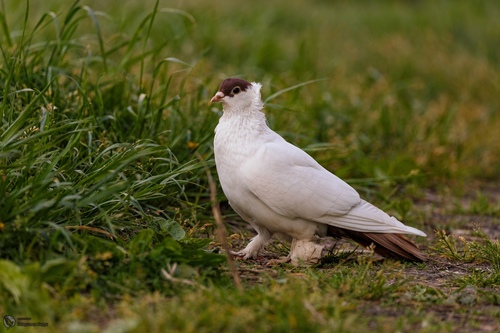 Rotsduif
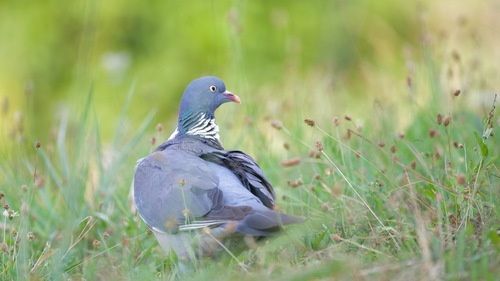 Houtduif
Kort gezegd
Het meest betrouwbare veldkenmerk om Rotsduif van Houtduif te scheiden, is de aanwezigheid van een gedurfde witte nekpatch en witte vleugelstrepen op de Houtduif, die nooit door de Rotsduif worden getoond. In de vlucht flitst de Houtduif ook een brede witte vleugelband en heeft een roze borst, terwijl de Rotsduif twee smalle zwarte vleugelstrepen en een witte staart heeft. Juveniele Houtduiven missen de nekpatch maar zijn nog steeds groter en lichter dan Rotsduiven, met een meer uniforme vleugel. Structureel is de Houtduif veel robuuster en met een langere staart, met een lichtgele oog, vergeleken met de roodbruine iris van de Rotsduif. Beide soorten zijn wijdverspreid en kunnen in gemengde groepen voorkomen, maar aandacht voor deze veldkenmerken zal verwarring voorkomen.
Herkenningstips
- Witte nekpatch (alleen volwassen Houtduif): Zoek naar een gedurfde witte patch aan de zijkant van de nek; Rotsduif toont dit nooit. Juveniele Houtduif mist het, dus controleer andere kenmerken bij jonge vogels.
- Witte vleugelstrepen (Houtduif): In de vlucht en in rust toont de Houtduif een brede witte vleugelband over de bovenvleugel; Rotsduif toont in plaats daarvan twee smalle zwarte vleugelstrepen.
- Roze borst (Houtduif): Volwassen Houtduif heeft een roze of mauve borst, in contrast met het meer uniforme grijs van de Rotsduif.
- Witte staart (Rotsduif): Rotsduif toont een opvallende witte staart in de vlucht, vooral van bovenaf; Houtduif mist dit.
- Vleugelpatroon bij juvenielen: Juveniele Houtduif heeft een effen grijze vleugel zonder de zwarte strepen van de Rotsduif; dit is een belangrijk kenmerk in de zomer/herfst wanneer jonge vogels veel voorkomen.
- Staartband: Beide soorten hebben een donkere staartband, maar de Rotsduif heeft een scherpere en de staart is korter; Houtduif heeft een langere, meer geleidelijke staart.
- Oogkleur: Rotsduif heeft een roodbruine iris; Houtduif heeft een lichtgele oog. Dit is zichtbaar van dichtbij of bij goed licht.
- Snavel en cere: De snavel van de Rotsduif is grijs-zwart met een kleine, lichte cere; Houtduif heeft een iets langere, lichtgetipte snavel en mist de prominente cere van verwilderde duiven.
- Iridescentie: Rotsduif toont groenachtige tot paarse iridescentie op de nek (minder bij vrouwtjes en juvenielen); Houtduif heeft een groene en witte nekpatch (volwassenen) maar minder algemene glans.
- Grootte en structuur: Houtduif is veel groter, robuuster, en met een langere staart; Rotsduif is compacter en wendbaarder.
- Vluchtstijl: Houtduif vliegt met langzamere, diepere vleugelslagen en zweeft met de vleugels stijf gehouden; Rotsduif is sneller en wendbaarder, vaak zwevend met de vleugels iets omhoog.
- Stem: Het roepje van de Houtduif is een luid, repetitief vijf-noten frase; het roepje van de Rotsduif is een zachtere, wankelende coo. Luister naar deze in bosrijke gebieden (Houtduif) of stedelijke omgevingen (Rotsduif).
- Habitatcontext: In rotsachtige kustgebieden, vooral in het verre noorden en westen van Schotland, is de Rotsduif waarschijnlijker. In landbouwgrond, bossen, en grote parken, verwacht Houtduif.
- Groepssamenstelling: Gemengde groepen kunnen voorkomen, maar Houtduif heeft de neiging om te domineren in landelijke en bosrijke omgevingen, terwijl Rotsduif (vooral verwilderd) meer stedelijk is.
- Seizoensgebonden veranderingen: In de zomer kan het hoofd van de Houtduif donkerder lijken; juveniele Houtduiven missen nekpatches, dus vertrouw op grootte, vleugelpatroon en structuur.
Grootte
Houtduif is duidelijk groter en zwaarder dan Rotsduif. Houtduif meet 38–44,5 cm in lengte met een spanwijdte van 68–80 cm en een massa van 300–615 g, terwijl Rotsduif 30–35 cm lang is, spanwijdte 62–68 cm, en een massa van ongeveer 280,5 g (wilde type). Houtduif lijkt robuuster, met een langere staart en bredere vleugels, en staat hoger wanneer hij zit. Dit formaatverschil is duidelijk in directe vergelijking of gemengde groepen.
Verenkleed
- Juvenielen: Juveniele Houtduiven missen de witte nekpatch maar zijn nog steeds groter, met een lichte, uniforme grijze pluimage en een grijzere snavel. Hun vleugels missen de twee scherpe zwarte strepen van de Rotsduif, en tonen in plaats daarvan een meer gelijkmatige grijze kleur. Juveniele Rotsduiven lijken op volwassenen, met twee zwarte vleugelstrepen en een witte staart, maar zijn doffer en minder glanzend, vooral de vrouwtjes.
- Volwassenen: Volwassen Houtduif is gemakkelijk te identificeren aan zijn witte nekpatch (afwezig bij Rotsduif) en brede witte vleugelstrepen die zichtbaar zijn in de vlucht en in rust. De borst is roze, en het hoofd is over het algemeen donkerder in de zomer. Volwassen Rotsduiven hebben een blauwgrijs hoofd, nek en borst met groenachtige/paarse iridescentie, twee zwarte vleugelstrepen, een witte staart en een zwarte staartband. De iris is roodbruin bij Rotsduif, lichtgeel bij Houtduif. De snavel van de Rotsduif is grijs-zwart met een kleine off-white cere, terwijl Houtduif een iets langere, lichtgetipte snavel heeft.
Gedrag
Beide soorten zijn sociaal, vooral buiten het broedseizoen, maar Houtduif vormt vaak zelfs grotere groepen. Beide stijgen op met een luid gekletter, maar de vlucht van de Houtduif is zwaarder en directer, met af en toe scherpe flitsen en een kenmerkende zweefdisplay met de vleugels stijf gehouden. Rotsduif is een sterke vlieger maar zweeft vaker, en zijn vleugelslagen zijn over het algemeen sneller en wendbaarder. Houtduif displays omvatten lopen langs takken met de vleugels naar beneden en de staart uitgestrekt, terwijl Rotsduif displays buigen, staart fanning en vleugelklappen omvatten.
Habitat
Rotsduif wordt het vaakst aangetroffen in stedelijke gebieden, kliffen en rotsachtige habitats, vooral in zijn wilde vorm, maar verwilderde vogels zijn alomtegenwoordig in steden. Houtduif geeft de voorkeur aan bossen, parken, tuinen en landbouwgrond, vaak nestelend in bomen en foeragerend in open velden. Terwijl beide in steden en tuinen kunnen worden gezien, is Houtduif waarschijnlijker in bosrijke of agrarische omgevingen, en Rotsduif (vooral wilde type) is verbonden met rotsachtige kusten en kliffen.
Geluid
Rotsduif geeft een zachte, licht wankelende coo ('crruoo-u'), met variaties voor alarm en nestroepen. Houtduif heeft een kenmerkende, repetitieve vijf-notenroep, vaak beschreven als 'coo-COO-coo, coo-coo', die luider en verder draagbaar is dan die van de Rotsduif. Beide soorten stijgen luidruchtig op, maar de vleugelklappen van de Houtduif zijn vooral scherp tijdens display-vluchten.