

Motmot

カワラバト 対 モリバト

Columba livia 対 Columba palumbus

カワラバトとモリバトのクイズ
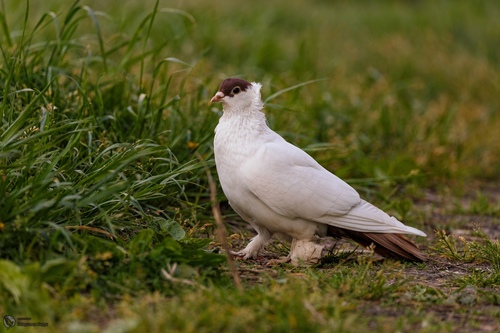
カワラバト (Columba livia) カワラバト
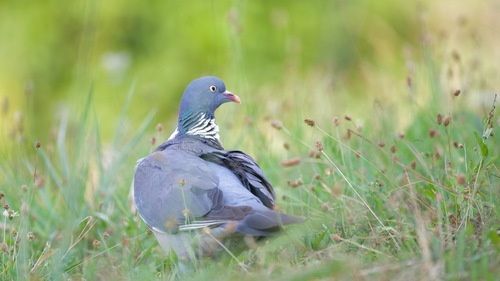
モリバト (Columba palumbus) モリバト

メディア

読み込み中…

要点

カワラバトとモリバトを区別する最も信頼できるフィールドマークは、モリバトの存在する大胆な白い首のパッチと白い翼のバーであり、カワラバトには決して見られません。飛行中、モリバトは広い白い翼のバンドを見せ、ピンクがかった胸を持っていますが、カワラバトは二つの狭い黒い翼のバーと白い尾羽を示します。幼鳥のモリバトは首のパッチが欠けていますが、カワラバトよりも大きく、色が薄く、より均一な翼を持っています。構造的に、モリバトはカワラバトの赤褐色の虹彩に比べて、はるかにがっしりとしていて尾が長く、淡い黄色の目を持っています。両種は広く分布しており、混合群れで見られることがありますが、これらのフィールドマークに注意を払うことで混乱を防ぐことができます。

識別のコツ

  1. 白い首のパッチ(成鳥のモリバトのみ): 首の側に大胆な白いパッチを探してください;カワラバトはこれを示しません。幼鳥のモリバトはこれが欠けているので、若い鳥の他のマークを確認してください。
  2. 白い翼のバー(モリバト): 飛行中および休息中、モリバトは上翼に広い白い翼のバンドを示します;カワラバトは代わりに二つの狭い黒い翼のバーを示します。
  3. ピンクがかった胸(モリバト): 成鳥のモリバトはピンクがかったまたはモーブ色の胸を持ち、カワラバトのより均一な灰色と対照的です。
  4. 白い尾羽(カワラバト): カワラバトは飛行中、特に上から見たときに目立つ白い尾羽を示します;モリバトはこれが欠けています。
  5. 幼鳥の翼のパターン: 幼鳥のモリバトはカワラバトの黒いバーがない無地の灰色の翼を持っています;これは夏/秋に若い鳥が一般的なときの重要なチェックです。
  6. 尾のバンド: 両種は暗い尾のバンドを持っていますが、カワラバトの方が鋭く、尾は短いです;モリバトはより長く、より段階的な尾を持っています。
  7. 目の色: カワラバトは赤褐色の虹彩を持っています;モリバトは淡い黄色の目を持っています。これは近距離または良い光の中で見ることができます。
  8. くちばしとセレ: カワラバトのくちばしは灰黒色で小さな淡いセレがあります;モリバトはやや長い淡い先端のくちばしを持ち、野生の鳩の目立つセレが欠けています。
  9. 虹色の輝き: カワラバトは首に緑がかった紫がかった虹色の輝きを示します(雌や幼鳥では少ない);モリバトは(成鳥)緑と白の首のパッチを持っていますが、全体的な光沢は少ないです。
  10. サイズと構造: モリバトははるかに大きく、がっしりしていて尾が長いです;カワラバトはよりコンパクトで機敏です。
  11. 飛行スタイル: モリバトは遅く、深い翼の打撃で飛び、翼を硬く持って滑空します;カワラバトはより速く、より操縦性が高く、しばしば翼をわずかに上げて滑空します。
  12. 声: モリバトの鳴き声は大きく、繰り返しの五音のフレーズです;カワラバトの声は柔らかく、揺れるクー音です。これらを森林地域(モリバト)や都市環境(カワラバト)で聞いてください。
  13. 生息地の文脈: 岩の多い沿岸地域、特にスコットランドの北部と西部ではカワラバトがより可能性があります。農地、森林、大きな公園ではモリバトを期待してください。
  14. 群れの構成: 混合群れが発生することがありますが、モリバトは農村や森林の環境で優勢になる傾向があり、カワラバト(特に野生)はより都市的です。
  15. 季節の変化: 夏にはモリバトの頭が暗く見えることがあります;幼鳥のモリバトは首のパッチが欠けているので、サイズ、翼のパターン、構造に依存してください。

大きさ

モリバトはカワラバトよりも明らかに大きく、重いです。モリバトは長さ38–44.5 cm、翼幅68–80 cm、質量300–615 gであるのに対し、カワラバトは長さ30–35 cm、翼幅62–68 cm、質量約280.5 g(野生型)です。モリバトはがっしりとして見え、尾が長く、翼が広く、止まっているときに高く立ちます。このサイズの違いは直接比較や混合群れで明らかです。

羽色

行動

両種は社交的で、特に繁殖期以外は、モリバトはさらに大きな群れを形成することがよくあります。両者は大きな音を立てて飛び立ちますが、モリバトの飛行は重く、より直接的で、時折鋭いフリックと翼を硬く持った独特の滑空ディスプレイを伴います。カワラバトは強い飛行者ですが、より頻繁に滑空し、翼の打撃は一般的により速く、より機敏です。モリバトのディスプレイには、翼を下にして尾を広げながら枝を歩くことが含まれ、カワラバトのディスプレイにはお辞儀、尾を扇ぐこと、翼を叩くことが含まれます。

生息環境

カワラバトは最も頻繁に都市部、崖、岩の多い生息地で見られ、特に野生の形態では、野生の鳥は都市に広く分布しています。モリバトは森林、公園、庭、農地を好み、しばしば木に巣を作り、開けた野原で餌を探します。両者は町や庭で見られることがありますが、モリバトは森林や農業の環境でより可能性が高く、カワラバト(特に野生型)は岩の多い沿岸や崖に結びついています。

声

カワラバトは柔らかく、わずかに揺れるクー音('crruoo-u')を出し、警戒音や巣の呼び声のバリエーションがあります。モリバトは独特で繰り返しの五音の呼び声を持ち、しばしば「クー-クー、クー、クー、クー」と表現され、カワラバトのものよりも大きく、より遠くまで響きます。両種は騒々しく飛び立ちますが、モリバトの翼の叩き音は特にディスプレイ飛行中に鋭いです。

より良い説明を送る

比較と同じ項目を使ってください。文章はすぐに公開されます。

The most reliable field mark to separate Rock Dove from Common Woodpigeon is the presence of a bold white neck patch and white wing bars on the Woodpigeon, which are never shown by Rock Dove. In flight, Woodpigeon also flashes a broad white wing band and has a pinkish breast, while Rock Dove shows two narrow black wing bars and a white rump. Juvenile Woodpigeons lack the neck patch but are still larger and paler than Rock Doves, with a more uniform wing. Structurally, Woodpigeon is much bulkier and longer-tailed, with a pale yellow eye, compared to the Rock Dove's red-brown iris. Both species are widespread and can occur in mixed flocks, but careful attention to these field marks will prevent confusion.

  1. White neck patch (adult Woodpigeon only): Look for a bold white patch on the side of the neck; Rock Dove never shows this. Juvenile Woodpigeon lacks it, so check other marks in young birds.
  2. White wing bar (Woodpigeon): In flight and at rest, Woodpigeon shows a broad white wing band across the upperwing; Rock Dove shows two narrow black wing bars instead.
  3. Pinkish breast (Woodpigeon): Adult Woodpigeon has a pinkish or mauve breast, contrasting with the more uniform grey of Rock Dove.
  4. White rump (Rock Dove): Rock Dove shows a conspicuous white rump in flight, especially from above; Woodpigeon lacks this.
  5. Wing pattern in juveniles: Juvenile Woodpigeon has a plain grey wing without the Rock Dove's black bars; this is a key check in summer/autumn when young birds are common.
  6. Tail band: Both species have a dark tail band, but Rock Dove's is sharper and the tail is shorter; Woodpigeon has a longer, more graduated tail.
  7. Eye colour: Rock Dove has a red-brown iris; Woodpigeon has a pale yellow eye. This is visible at close range or in good light.
  8. Bill and cere: Rock Dove's bill is grey-black with a small, pale cere; Woodpigeon has a slightly longer, pale-tipped bill and lacks the prominent cere of feral pigeons.
  9. Iridescence: Rock Dove shows greenish to purplish iridescence on the neck (less in females and juveniles); Woodpigeon has a green and white neck patch (adults) but less overall gloss.
  10. Size and structure: Woodpigeon is much larger, bulkier, and longer-tailed; Rock Dove is more compact and agile.
  11. Flight style: Woodpigeon flies with slower, deeper wingbeats and glides with wings held stiff; Rock Dove is quicker and more maneuverable, often gliding with wings slightly raised.
  12. Voice: Woodpigeon's call is a loud, repetitive five-note phrase; Rock Dove's is a softer, wavering coo. Listen for these in wooded areas (Woodpigeon) or urban settings (Rock Dove).
  13. Habitat context: In rocky coastal areas, especially in the far north and west of Scotland, Rock Dove is more likely. In farmland, woodlands, and large parks, expect Woodpigeon.
  14. Flock composition: Mixed flocks can occur, but Woodpigeon tends to dominate in rural and woodland settings, while Rock Dove (especially feral) is more urban.
  15. Seasonal changes: In summer, Woodpigeon's head may appear darker; juvenile Woodpigeons lack neck patches, so rely on size, wing pattern, and structure.

Common Woodpigeon is distinctly larger and heavier than Rock Dove. Woodpigeon measures 38–44.5 cm in length with a wingspan of 68–80 cm and a mass of 300–615 g, while Rock Dove is 30–35 cm long, wingspan 62–68 cm, and mass around 280.5 g (wild type). Woodpigeon appears bulkier, with a longer tail and broader wings, and stands taller when perched. This size difference is obvious in direct comparison or mixed flocks.

  • Juveniles: Juvenile Woodpigeons lack the white neck patch but are still larger, with a pale, uniform grey plumage and a greyer bill. Their wings lack the Rock Dove's two sharp black bars, instead showing a more even grey. Juvenile Rock Doves are similar to adults, with two black wing bars and a white rump, but are duller and less glossy, especially females.
  • Adults: Adult Woodpigeon is easily identified by its white neck patch (absent in Rock Dove) and broad white wing bar visible in flight and at rest. The breast is pinkish, and the head is generally darker in summer. Rock Dove adults have a bluish-grey head, neck, and chest with greenish/purplish iridescence, two black wing bars, a white rump, and a black tail band. The iris is red-brown in Rock Dove, pale yellow in Woodpigeon. The bill of Rock Dove is grey-black with a small off-white cere, while Woodpigeon has a slightly longer, pale-tipped bill.

Both species are gregarious, especially outside the breeding season, but Woodpigeon often forms even larger flocks. Both take off with a loud clatter, but Woodpigeon's flight is heavier and more direct, with occasional sharp flicks and a distinctive gliding display with wings held stiff. Rock Dove is a strong flier but glides more frequently, and its wingbeats are generally quicker and more agile. Woodpigeon displays include walking along branches with wings down and tail outstretched, while Rock Dove displays involve bowing, tail fanning, and wing clapping.

Rock Dove is most often found in urban areas, cliffs, and rocky habitats, especially in its wild form, but feral birds are ubiquitous in cities. Woodpigeon prefers woodlands, parks, gardens, and farmland, often nesting in trees and foraging in open fields. While both can be seen in towns and gardens, Woodpigeon is more likely in wooded or agricultural settings, and Rock Dove (especially wild type) is tied to rocky coasts and cliffs.

Rock Dove gives a soft, slightly wavering coo ('crruoo-u'), with variations for alarm and nest calls. Woodpigeon has a distinctive, repetitive five-note call, often described as 'coo-COO-coo, coo-coo', which is louder and more far-carrying than the Rock Dove's. Both species take off noisily, but Woodpigeon's wing claps are especially sharp during display flights.

変更を破棄しますか?

保存していない編集があります。今離れると失われます。

カワラバト · モリバト · 苦手な鳥