

Zwarte roodborsttapuit vs Rouwtapuit
Saxicola caprata versus Oenanthe lugens
Speel een quiz met Zwarte roodborsttapuit en Rouwtapuit
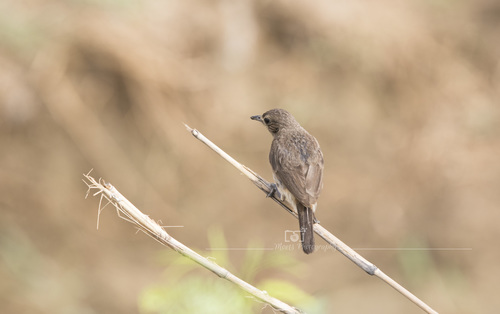 Zwarte roodborsttapuit
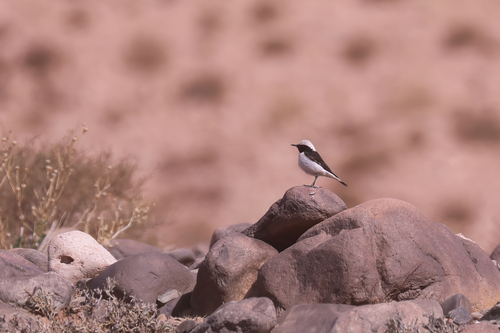 Rouwtapuit
Kort gezegd
Het meest betrouwbare veldkenmerk om Zwarte roodborsttapuit van Rouwtapuit in het veld te scheiden, is het patroon van de staart en het achterlijf: Rouwtapuit van alle leeftijden toont een opvallende witte staart met een zwarte punt en een centraal zwart 'T'-patroon, terwijl Zwarte roodborsttapuit een donkere staart heeft met alleen een witte achterzijde en vent (mannetje). In de vlucht flitst Rouwtapuit een gedurfde witte basis naar de staart en een witte 'vlag' op de vleugel, wat Zwarte roodborsttapuit mist. Volwassen mannelijke Zwarte roodborsttapuit is helemaal zwart met een witte vleugelvlek en achterlijf, maar vrouwtjes en jongen zijn saai bruin en kunnen verward worden met vrouwelijke/onvolwassen Rouwtapuit. Structuur en jizz zijn vergelijkbaar, maar Rouwtapuit is iets groter en heeft een langere staart. Het leefgebied en het bereik overlappen beperkt, maar beide kunnen voorkomen in open, struikachtige gebieden.
Herkenningstips
- Staartpatroon in alle leeftijden: Rouwtapuit toont altijd een witte staart met een zwarte punt en een centrale zwarte intrusie die een omgekeerde 'T' vormt—dit is zichtbaar zowel zittend als in de vlucht, en is de beste scheiding op elke leeftijd of geslacht.
- Achterlijf en vent: Mannelijke Zwarte roodborsttapuit heeft een witte achterzijde en vent maar een donkere staart; Rouwtapuit heeft een witte achterzijde die overgaat in de witte staart met zwarte punt.
- Vleugelpatroon in de vlucht: Rouwtapuit flitst een witte 'vlag' op de vleugel (witte basissen van de vluchtveren) wanneer hij vliegt, terwijl Zwarte roodborsttapuit geen wit in de vleugel toont, behalve voor een witte schoudervlek bij mannetjes, die zichtbaar is in rust.
- Schouder/vleugelvlek: Mannelijke Zwarte roodborsttapuit heeft een duidelijke witte vleugelvlek (schouder) in rust; de vleugels van Rouwtapuit zijn helemaal zwart in rust (behalve in de vlucht, wanneer de witte basissen zichtbaar zijn).
- Verenkleur (mannetjes): Mannelijke Zwarte roodborsttapuit is helemaal zwart met witte achterzijde en vleugelvlek; Rouwtapuit mannetje is zwart en wit, met witte kroon, nek, borst en buik, en zwarte kop, hals en rug.
- Verenkleur (vrouwtjes): Vrouwelijke Zwarte roodborsttapuit is bruin boven met roestkleurige onderdelen en achterlijf, zonder enige witte vlekken; vrouwelijke Rouwtapuit is lichter bruin of grijsbruin, maar toont altijd de witte staart met zwarte punt.
- Jongere verwarring: Jongere Zwarte roodborsttapuit is donker boven en schubachtig onder, zonder wit in staart of vleugel; jongere Rouwtapuit, hoewel hier niet in detail beschreven, zal nog steeds de witte staart met zwarte punt tonen.
- Grootte en vorm: Rouwtapuit is iets groter en langer-tailed, maar dit is subtiel en niet altijd betrouwbaar in het veld.
- Zitgedrag: Beide zitten rechtop, maar Rouwtapuit kan langer en vaak opvallender lijken door zijn verenkleed.
- Leefgebiedcontext: Als in droge, rotsachtige of woestijnachtige gebieden in het Midden-Oosten of Noord-Afrika, is Rouwtapuit waarschijnlijker; in grasachtige, struikachtige of gecultiveerde gebieden in Zuid-Azië, wordt Zwarte roodborsttapuit verwacht.
- Geografisch bereik: Overlap is beperkt; raadpleeg lokale veldgidsen voor verwachte soorten.
- Stem: Het fluitende roepje van Zwarte roodborsttapuit is kenmerkend als het gehoord wordt, maar het roepje van Rouwtapuit is hier niet beschreven.
- Seksueel dimorfisme: Zwarte roodborsttapuit toont sterk seksueel dimorfisme (zwarte man, bruine vrouw); Rouwtapuit is minder dimorfisch, behalve in sommige ondersoorten (bijv. Maghreb tapuit).
- Wit in de vleugel: Alleen mannelijke Zwarte roodborsttapuit toont een witte vleugelvlek in rust; het wit van Rouwtapuit is alleen zichtbaar in de vlucht.
- Valstrik: Vrouwelijke en jonge Zwarte roodborsttapuit kunnen oppervlakkig lijken op vrouwelijke Rouwtapuit, maar controleer altijd het staartpatroon ter bevestiging.
Grootte
Rouwtapuit is iets groter, met een lengte van 14–16 cm en een gewicht van 19–25 g, terwijl Zwarte roodborsttapuit kleiner is met ongeveer 13 cm (geen massa gegeven, maar consistent beschreven als kleiner en gedrongener) [wikipedia]. Beide zijn kleine, rechtopstaande zangvogels, maar Rouwtapuit kan langer-tailed en meer verlengd lijken in houding.
Verenkleed
- Jongere/onvolwassen vogels: Jongere Zwarte roodborsttapuit is donker boven en schubachtig onder, lijkt op het vrouwtje maar met een meer gevlekte onderzijde. Jongere Rouwtapuit is hier niet in detail beschreven, maar zelfs jonge vogels tonen de kenmerkende witte staart met zwarte punt en centrale zwarte intrusie, een sleutelkenmerk op alle leeftijden.
- Volwassen mannetjes: Mannelijke Zwarte roodborsttapuit is zwart met een witte achterzijde, onderbuik en een witte vleugelvlek (schouder), maar heeft een donkere staart. Mannelijke Rouwtapuit is zwart en wit: witte kroon, nek, borst, buik en achterzijde, met een zwarte kop, hals en rug, en een witte staart met een zwarte punt en centraal zwart 'T'. De vleugels zijn zwart in rust maar tonen een witte basis in de vlucht.
- Volwassen vrouwtjes: Vrouwelijke Zwarte roodborsttapuit is saai bruin boven met roestkleurige onderdelen en achterlijf, zonder enige witte vleugel- of staartvlekken. Vrouwelijke Rouwtapuit is lichter dan het mannetje, met meer bruinachtige of grijsbruin tinten afhankelijk van de ondersoort, maar toont nog steeds de witte staart met zwarte punt en centrale intrusie.
- In de vlucht: Rouwtapuit toont altijd een witte staart met zwarte punt en een witte 'vlag' op de vleugel (witte basissen van de vluchtveren), terwijl Zwarte roodborsttapuit deze mist en alleen een witte achterzijde (mannetje) en donkere staart toont.
Gedrag
Beide soorten zitten rechtop op struiken of lage bomen, speurend naar insecten, en duiken naar buiten om prooi te vangen. Zwarte roodborsttapuit wordt vaak gezien op de toppen van korte doornbomen of struiken, terwijl Rouwtapuit vergelijkbare open zitplaatsen gebruikt maar opvallender kan lijken door zijn opvallende verenkleed. Beide soorten zijn insectenetend en jagen vanuit prominente zitplaatsen. Geen belangrijke gedragsverschillen zijn diagnostisch in het veld.
Habitat
Zwarte roodborsttapuit is wijdverspreid in open struikgewas, grasland en gecultiveerde gebieden in Zuid-Azië, van het Midden-Oosten tot Indonesië. Rouwtapuit wordt aangetroffen in Noord-Afrika en het Midden-Oosten, met een voorkeur voor droge, rotsachtige of woestijnachtige open habitats. Terwijl beide open gebieden gebruiken, is Zwarte roodborsttapuit meer geassocieerd met grasachtige of landbouwlandschappen, en Rouwtapuit met rotsachtige of semi-woestijnachtige terreinen. Overlap is beperkt tot de westelijke rand van het bereik van Zwarte roodborsttapuit.
Geluid
Zwarte roodborsttapuit heeft een fluitend roepje, beschreven als 'we zijn thee voor twee' met de 'thee' op een hogere toon, enigszins herinnerend aan Indisch paapje. Geen vocale beschrijving wordt hier gegeven voor Rouwtapuit, dus de stem is geen betrouwbare scheiding op basis van deze notities.