

Motmot

クロノビタキ 対 コシジロサバクヒタキ

Saxicola caprata 対 Oenanthe lugens

クロノビタキとコシジロサバクヒタキのクイズ
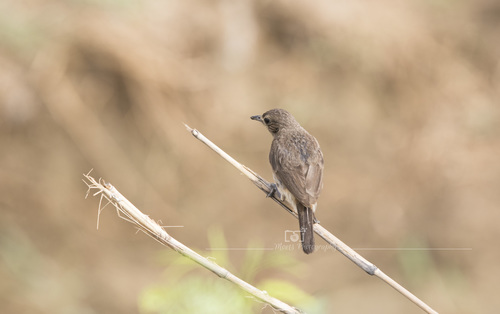
クロノビタキ (Saxicola caprata) クロノビタキ
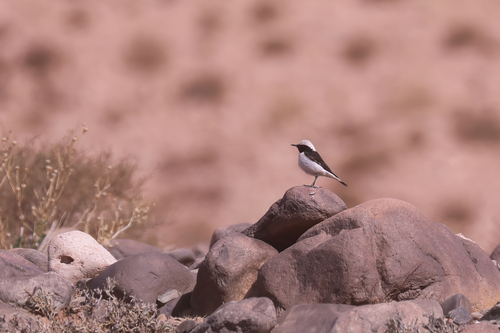
コシジロサバクヒタキ (Oenanthe lugens) コシジロサバクヒタキ

メディア

読み込み中…

要点

ピエド・ブッシュチャットとコシジロサバクヒタキをフィールドで区別する最も信頼できるフィールドマークは、尾と臀部のパターンです:すべての年齢のコシジロサバクヒタキは、黒い先端と中央に黒い「T」パターンを持つ目立つ白い尾を示しますが、ピエド・ブッシュチャットは、白い臀部と肛門(オス)だけを持つ暗い尾を持っています。飛行中、コシジロサバクヒタキは尾の大胆な白い基部と翼の白い「旗」を点滅させますが、ピエド・ブッシュチャットにはそれがありません。成鳥のオスのピエド・ブッシュチャットは全体が黒で、白い翼の斑点と臀部を持っていますが、雌と幼鳥は地味な茶色で、雌/未熟なコシジロサバクヒタキと混同されることがあります。構造とジズは似ていますが、コシジロサバクヒタキはわずかに大きく、尾が長いです。生息地と範囲の重複は限られていますが、両方とも開けた茂みのある地域に生息することがあります。

識別のコツ

  1. Tail pattern in all ages: コシジロサバクヒタキは常に黒い先端と中央に黒い侵入を持つ白い尾を示します—これは止まっている時も飛んでいる時も見え、年齢や性別に関係なく最も良い区別点です。
  2. Rump and vent: オスのピエド・ブッシュチャットは白い臀部と肛門を持っていますが、暗い尾があります;コシジロサバクヒタキは白い臀部が黒い先端の白い尾に合流しています。
  3. Wing pattern in flight: コシジロサバクヒタキは飛んでいる時に翼に白い「旗」(飛行羽の白い基部)を点滅させますが、ピエド・ブッシュチャットはオスの白い肩の斑点を除いて翼に白を示しません。
  4. Shoulder/wing patch: オスのピエド・ブッシュチャットは休んでいる時に明確な白い翼の斑点(肩)を持っています;コシジロサバクヒタキの翼は休んでいる時は全て黒です(飛行中は白い基部が見えます)。
  5. Plumage color (males): オスのピエド・ブッシュチャットは全体が黒で、白い臀部と翼の斑点を持っています;コシジロサバクヒタキのオスは黒と白で、白い冠、後頭部、胸、お腹、臀部を持ち、黒い頭、首、背中を持っています。
  6. Plumage color (females): 雌のピエド・ブッシュチャットは上面が茶色で、赤褐色の腹部と臀部を持ち、白い斑点はありません;雌のコシジロサバクヒタキはオスよりも淡い茶色または灰色がかった茶色ですが、常に黒い先端を持つ白い尾を示します。
  7. Juvenile confusion: 幼鳥のピエド・ブッシュチャットは上面が暗く、下面が鱗状で、尾や翼に白はありません;幼鳥のコシジロサバクヒタキは詳細には説明されていませんが、黒い先端を持つ白い尾を示します。
  8. Size and shape: コシジロサバクヒタキはわずかに大きく、尾が長いですが、これは微妙でフィールドでは常に信頼できるわけではありません。
  9. Perching behavior: 両方とも直立して止まりますが、コシジロサバクヒタキはより細長く見えることがあり、その羽毛のためにしばしば目立ちます。
  10. Habitat context: 中東や北アフリカの乾燥した岩の多いまたは砂漠のような地形ではコシジロサバクヒタキがより可能性が高く、南アジアの草地、茂み、または耕作地ではピエド・ブッシュチャットが期待されます。
  11. Geographic range: 重複は限られています;期待される種については地元のフィールドガイドを確認してください。
  12. Voice: ピエド・ブッシュチャットの口笛のような鳴き声は特徴的ですが、コシジロサバクヒタキの鳴き声はここでは説明されていません。
  13. Sexual dimorphism: ピエド・ブッシュチャットは強い性差(黒いオス、茶色の雌)を示します;コシジロサバクヒタキは一部の亜種(例:マグレブ・サバクヒタキ)を除いて、性差は少ないです。
  14. White in wing: オスのピエド・ブッシュチャットだけが休んでいる時に白い翼の斑点を示します;コシジロサバクヒタキの白は飛行中にのみ見えます。
  15. Pitfall: 雌と幼鳥のピエド・ブッシュチャットは雌のコシジロサバクヒタキに表面的に似て見えることがありますが、確認のために尾のパターンを常にチェックしてください。

大きさ

コシジロサバクヒタキはわずかに大きく、全長14〜16 cm、体重19〜25 gですが、ピエド・ブッシュチャットは約13 cmと小さく(質量は記載されていませんが、一貫して小さくてずんぐりしたと説明されています)[wikipedia]。両方とも小さく、直立したスズメ目ですが、コシジロサバクヒタキは尾が長く、姿勢がより細長く見えることがあります。

羽色

行動

両方の種は低木や低木の上に直立して止まり、昆虫を探し、獲物を捕まえるために飛び出します。ピエド・ブッシュチャットはしばしば短いトゲのある木や低木の頂上に見られますが、コシジロサバクヒタキは同様の開けた止まり木を使用しますが、その目立つ羽毛のためにより目立つことがあります。両方の種は昆虫食で、目立つ止まり木から狩りをします。フィールドで診断的な主要な行動の違いはありません。

生息環境

ピエド・ブッシュチャットは中東からインドネシアにかけての南アジアの開けた茂み、草原、耕作地に広く分布しています。コシジロサバクヒタキは北アフリカと中東に生息し、乾燥した岩の多いまたは砂漠のような開けた生息地を好みます。両方とも開けた国を利用しますが、ピエド・ブッシュチャットは草地や農業の風景により関連し、コシジロサバクヒタキは岩の多いまたは半砂漠の地形に関連しています。重複はピエド・ブッシュチャットの範囲の西端に限られています。

声

ピエド・ブッシュチャットは口笛のような鳴き声を持ち、「we are tea for two」と表現され、「tea」が高い音で、インドヒタキを思い起こさせます。ここではコシジロサバクヒタキの鳴き声の説明は提供されていないため、声はこれらのメモに基づいて信頼できる区別点ではありません。

より良い説明を送る

比較と同じ項目を使ってください。文章はすぐに公開されます。

The most reliable field mark to separate Pied Bushchat from Mourning Wheatear in the field is the tail and rump pattern: Mourning Wheatear of all ages shows a striking white tail with a black tip and central black 'T' pattern, while Pied Bushchat has a dark tail with only a white rump and vent (male). In flight, Mourning Wheatear flashes a bold white base to the tail and a white 'flag' on the wing, which Pied Bushchat lacks. Adult male Pied Bushchat is all black with a white wing patch and rump, but females and juveniles are drab brown and can be confused with female/immature Mourning Wheatear. Structure and jizz are similar, but Mourning Wheatear is slightly larger and longer-tailed. Habitat and range overlap is limited, but both can occur in open, scrubby areas.

  1. Tail pattern in all ages: Mourning Wheatear always shows a white tail with a black tip and a central black intrusion forming an inverted 'T'—this is visible both perched and in flight, and is the single best separator at any age or sex.
  2. Rump and vent: Male Pied Bushchat has a white rump and vent but a dark tail; Mourning Wheatear has a white rump merging into the white tail with black tip.
  3. Wing pattern in flight: Mourning Wheatear flashes a white 'flag' on the wing (white bases of flight feathers) when flying, while Pied Bushchat does not show any white in the wing except for a white shoulder patch in males, which is visible at rest.
  4. Shoulder/wing patch: Male Pied Bushchat has a distinct white wing patch (shoulder) at rest; Mourning Wheatear's wings are all black at rest (except in flight, when white bases show).
  5. Plumage color (males): Male Pied Bushchat is all black with white rump and wing patch; Mourning Wheatear male is black and white, with white crown, nape, chest, and belly, and black head, neck, and back.
  6. Plumage color (females): Female Pied Bushchat is brown above with rufous underparts and rump, lacking any white patches; female Mourning Wheatear is paler brown or grey-brown, but always shows the white tail with black tip.
  7. Juvenile confusion: Juvenile Pied Bushchat is dark above and scaly below, with no white in tail or wing; juvenile Mourning Wheatear, though not described in detail, will still show the white tail with black tip.
  8. Size and shape: Mourning Wheatear is slightly larger and longer-tailed, but this is subtle and not always reliable in the field.
  9. Perching behavior: Both perch upright, but Mourning Wheatear may appear more elongated and is often more conspicuous due to its plumage.
  10. Habitat context: If in arid, rocky, or desert-like terrain in the Middle East or North Africa, Mourning Wheatear is more likely; in grassy, scrubby, or cultivated land in South Asia, Pied Bushchat is expected.
  11. Geographic range: Overlap is limited; check local field guides for expected species.
  12. Voice: Pied Bushchat's whistling call is distinctive if heard, but Mourning Wheatear's call is not described here.
  13. Sexual dimorphism: Pied Bushchat shows strong sexual dimorphism (black male, brown female); Mourning Wheatear is less dimorphic except in some subspecies (e.g., Maghreb wheatear).
  14. White in wing: Only male Pied Bushchat shows a white wing patch at rest; Mourning Wheatear's white is only visible in flight.
  15. Pitfall: Female and juvenile Pied Bushchat can look superficially similar to female Mourning Wheatear, but always check the tail pattern for confirmation.

Mourning Wheatear is slightly larger, measuring 14–16 cm in length and weighing 19–25 g, while Pied Bushchat is smaller at about 13 cm (no mass given, but consistently described as smaller and dumpier) [wikipedia]. Both are small, upright passerines, but Mourning Wheatear may appear longer-tailed and more elongated in posture.

  • Juvenile/immature birds: Juvenile Pied Bushchat is dark above and scaly below, resembling the female but with a more speckled underside. Juvenile Mourning Wheatear is not described in detail here, but even young birds show the distinctive white tail with black tip and central black intrusion, a key mark at all ages.
  • Adult males: Pied Bushchat male is black with a white rump, lower belly, and a white wing patch (shoulder), but has a dark tail. Mourning Wheatear male is black and white: white crown, nape, chest, belly, and rump, with black head, neck, and back, and a white tail with a black tip and central black 'T'. The wings are black at rest but show a white base in flight.
  • Adult females: Pied Bushchat female is drab brown above with rufous underparts and rump, lacking any white wing or tail patches. Mourning Wheatear female is paler than the male, with more brownish or grey-brown tones depending on subspecies, but still shows the white tail with black tip and central intrusion.
  • In flight: Mourning Wheatear always shows a white tail with black tip and a white 'flag' on the wing (white bases of flight feathers), while Pied Bushchat lacks these and shows only a white rump (male) and dark tail.

Both species perch upright on shrubs or low trees, scanning for insects, and sally out to catch prey. Pied Bushchat is often seen on the tops of short thorn trees or shrubs, while Mourning Wheatear uses similar open perches but may appear more conspicuous due to its striking plumage. Both species are insectivorous and hunt from prominent perches. No major behavioral differences are diagnostic in the field.

Pied Bushchat is widespread in open scrub, grassland, and cultivated areas across southern Asia, from the Middle East to Indonesia. Mourning Wheatear is found in northern Africa and the Middle East, favoring arid, rocky, or desert-like open habitats. While both use open country, Pied Bushchat is more associated with grassy or agricultural landscapes, and Mourning Wheatear with rocky or semi-desert terrain. Overlap is limited to the western edge of Pied Bushchat's range.

Pied Bushchat has a whistling call, described as 'we are tea for two' with the 'tea' at a higher note, somewhat reminiscent of Indian Robin. No vocal description is provided for Mourning Wheatear here, so voice is not a reliable separator based on these notes.

変更を破棄しますか?

保存していない編集があります。今離れると失われます。

クロノビタキ · コシジロサバクヒタキ · 苦手な鳥