

Bleke rotsmus vs Sinaïroodmus
Carpospiza brachydactyla versus Carpodacus synoicus
Speel een quiz met Bleke rotsmus en Sinaïroodmus
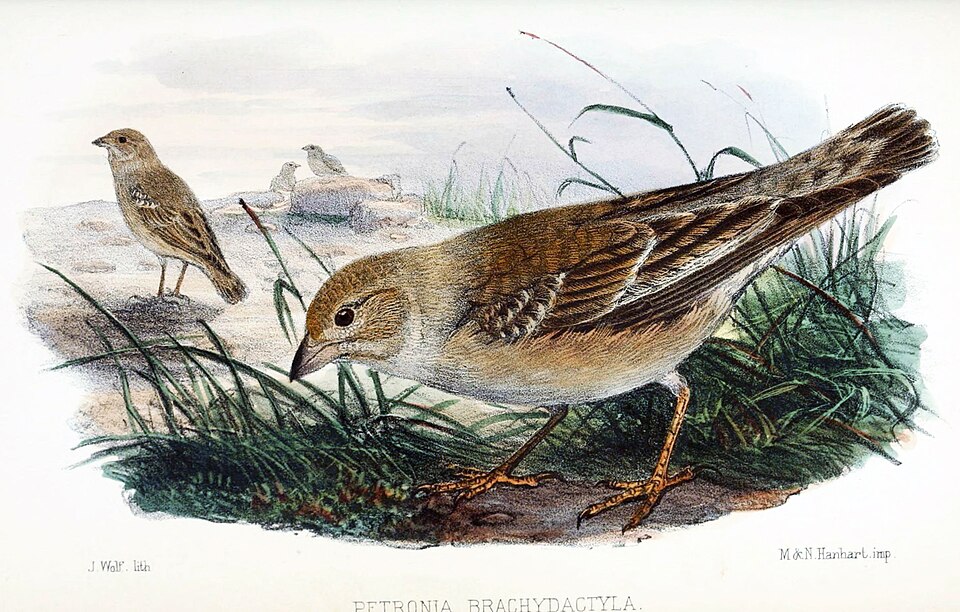 Bleke rotsmus
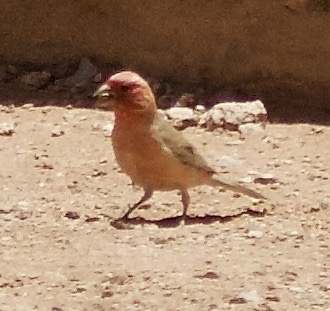 Sinaïroodmus
Kort gezegd
Het meest betrouwbare veldkenmerk is de aanwezigheid van roze kleur in mannelijke Sinaïroodmus, wat nooit wordt getoond door Bleke rotsmus van welke leeftijd of geslacht dan ook. Vrouwelijke Sinaïroodmus is veel eenvoudiger, maar verschilt nog steeds van Bleke rotsmus door zijn algemeen koudere grijsbruine tinten en wittere buik, terwijl Bleke rotsmus zandgrijs en meer uniform is. Beide soorten kunnen saai en musachtig lijken, vooral vrouwtjes en onvolwassen vogels, maar aandacht voor subtiele verenkleur en structuur—vooral de vorm van de snavel en de lichaamsproporties—zal ze scheiden. Habitatoverlap is mogelijk in droge, rotsachtige gebieden, maar Sinaïroodmus is veel meer gelokaliseerd en vaak geassocieerd met rotsachtige wadi's en kliffen. Wees voorzichtig met het verwarren van saaie vrouwelijke/onvolwassen Sinaïroodmus met Bleke rotsmus in slecht licht of op afstand.
Herkenningstips
- Roze kleur: Elke roze kleur op het gezicht, de borst of de kont identificeert onmiddellijk de Sinaïroodmus (volwassen man); Bleke rotsmus is altijd eenvoudig zandgrijs.
- Algemene toon: Bleke rotsmus is zand- of buffgrijs en zeer uniform; Sinaïroodmus (vrouwelijk/onvolwassen) is kouder grijsbruin boven met een duidelijk wittere, witachtige buik.
- Snavelvorm: Sinaïroodmus heeft een dikke, conische vinkensnavel; de snavel van Bleke rotsmus is dunner, puntiger en musachtig. Dit is subtiel maar diagnostisch van dichtbij.
- Lichaamsvorm: Bleke rotsmus is slanker en meer langwerpig, met een proportioneel langere staart; Sinaïroodmus is steviger en compacter.
- Habitatcontext: In open grasland of steppe, vooral met verspreide struiken, is Bleke rotsmus waarschijnlijker. In rotsachtige wadi's, kliffen of keienvelden, vooral in de Sinaï of Negev, verwacht je Sinaïroodmus.
- Voedingsgedrag: Bleke rotsmus wordt vaak gezien terwijl hij actief op de grond voedt in groepen; Sinaïroodmus is waarschijnlijker om op rotsen of struiken te zitten.
- Geslacht/leeftijd verwarring: Vrouwelijke en onvolwassen Sinaïroodmus missen roze en kunnen worden verward met Bleke rotsmus, maar let op koudere grijstinten en een wittere buik versus het uniforme zandgrijs van Bleke rotsmus.
- Vluchtzicht: Er zijn geen sterke verschillen in vleugelpatroon beschreven voor onvolwassen of volwassen vogels, dus vertrouw op de algemene kleur en structuur.
- Bereik: Sinaïroodmus is sterk gelokaliseerd in de Sinaï, Negev en aangrenzende gebieden; Bleke rotsmus heeft een breder bereik van het Midden-Oosten tot Centraal-Azië en is een zeldzame maar toenemende wintergast in India.
- Seizoen: Bleke rotsmus kan in grote migrerende groepen in de winter verschijnen, vooral in India; Sinaïroodmus is meer sedentaire en vormt zelden grote groepen.
- Verwarringsrisico: In slecht licht of op afstand kan vrouwelijke/onvolwassen Sinaïroodmus zeer eenvoudig lijken; controleer altijd op subtiele kleurverschillen en snavelvorm.
- Geen gele keel: Als je een gele keel ziet, kijk je waarschijnlijk naar Indische rotsmus, niet naar een van deze soorten.
- Geen sterke strepen: Geen van beide soorten is sterk gestreept boven of onder, wat helpt om ze te scheiden van veel andere mussen en vinken in de regio.
- Geen vleugelpanelen: Geen van beide soorten vertoont sterke vleugelpanelen of contrasterende randen in welke leeftijd dan ook, dus vertrouw niet op deze eigenschap.
- Controleer de samenstelling van de groep: Gemengde groepen zijn onwaarschijnlijk; als je zowel roze als zandgrijze vogels samen ziet, controleer dan op verkeerde identificatie of de aanwezigheid van andere soorten.
Grootte
Beide soorten zijn kleine, musachtige vogels, en er is geen sterk formaatverschil in het veld. Bleke rotsmus kan echter iets slanker en langer lijken, met een proportioneel langere staart en een slanker, puntiger snavel, terwijl Sinaïroodmus iets steviger is en een dikkere, conische vinkensnavel heeft. Deze verschillen zijn subtiel en het beste te waarderen met directe vergelijking of goede uitzichten.
Verenkleed
- Volwassen mannelijke Sinaïroodmus is onmiskenbaar met zijn roze gezicht, borst en kont, en een witachtige kroon en voorhoofd; Bleke rotsmus toont nooit enige roze of rode tinten.
- Vrouwelijke en onvolwassen Sinaïroodmus zijn licht grijsbruin boven met een duidelijk witachtige buik, zonder enige roze, maar nog steeds kouder en grijzer dan Bleke rotsmus. Hun bovenkant is minder zandig en meer asachtig, en het contrast met de buik is duidelijker.
- Bleke rotsmus van alle leeftijden en geslachten is overal zandgrijs, met een eenvoudige, uniforme uitstraling en geen sterk contrast tussen boven- en onderkant. Het mist enige roze, rood of sterke patronen.
- Vleugelpatroon: Er zijn geen onderscheidende juvenile of onvolwassen bovenvleugelmerken beschreven voor beide soorten, dus vluchtzicht vertrouwt op de algemene kleur en structuur in plaats van op vleugelpanelen of randen.
- Snavel kleur en vorm: Sinaïroodmus heeft een dikkere, meer conische vinkensnavel, terwijl de snavel van Bleke rotsmus dunner en puntiger is, wat lijkt op die van een mus.
Gedrag
Bleke rotsmus wordt vaak gezien terwijl hij actief op de grond voedt, vooral in open grasland of semi-woestijn, soms in groepen tijdens migratie. Het kan rusteloos en snel bewegend lijken. Sinaïroodmus wordt waarschijnlijker gezien terwijl hij op rotsen of lage struiken zit, vaak in paren of kleine groepen, en is iets minder terrestrisch in zijn gewoonten, met een voorkeur voor rotsachtige hellingen en kliffen. Beide kunnen schuw zijn en moeilijk te benaderen, maar Bleke rotsmus wordt waarschijnlijker over het hoofd gezien vanwege zijn onopvallende verenkleed en grondvoedingsgedrag.
Habitat
Beide soorten bewonen droge, open landschappen, maar met subtiele verschillen. Bleke rotsmus geeft de voorkeur aan subtropische of gematigde droge struikland en grasland, vaak in meer open, zandige of grasachtige gebieden, en wordt soms aangetroffen in gecultiveerd of semi-gecultiveerd land. Sinaïroodmus is veel meer gelokaliseerd, met een voorkeur voor rotsachtige wadi's, kliffen en met keien bezaaide hellingen in de Sinaï, Negev en aangrenzende gebieden. Als gezien in graslanden of open steppe, is Bleke rotsmus veel waarschijnlijker; in rotsachtige kloven of kliffen, vooral in het kerngebied, is Sinaïroodmus de standaard.