

Motmot

ウスイロイワスズメ 対 サバクマシコ

Carpospiza brachydactyla 対 Carpodacus synoicus

ウスイロイワスズメとサバクマシコのクイズ
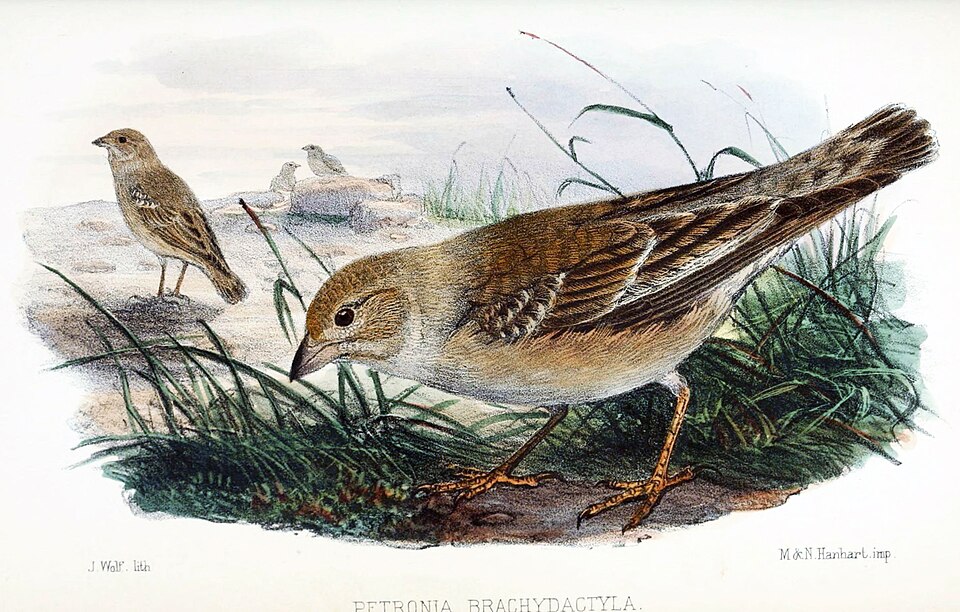
ウスイロイワスズメ (Carpospiza brachydactyla) ウスイロイワスズメ
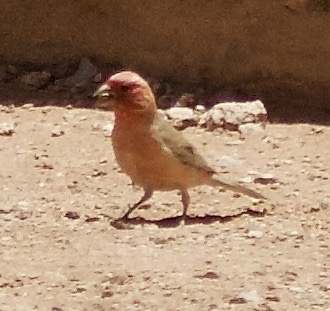
サバクマシコ (Carpodacus synoicus) サバクマシコ

メディア

読み込み中…

要点

最も信頼できるフィールドマークは、オスのサバクマシコに見られるピンク色であり、ウスイロイワスズメのどの年齢や性別でも示されることはありません。メスのサバクマシコはずっと地味ですが、全体的に冷たい灰褐色のトーンと白い腹部によってウスイロイワスズメと異なります。一方、ウスイロイワスズメは砂灰色でより均一です。両種は特にメスや幼鳥では地味でスズメのように見えることがありますが、微妙な羽毛のトーンや構造、特にくちばしの形や体の比率に注意を払うことで区別できます。乾燥した岩の多い地域では生息地の重複が可能ですが、サバクマシコははるかに局所的で、しばしば岩のワディや崖に関連しています。悪光や距離で地味なメス/幼鳥のサバクマシコをウスイロイワスズメと混同しないように注意してください。

識別のコツ

  1. ピンク色: 顔、胸、または尻にピンクがあれば、サバクマシコ(成鳥オス)を即座に特定できます。ウスイロイワスズメは常に地味な砂灰色です。
  2. 全体的なトーン: ウスイロイワスズメは砂色またはバフ灰色で非常に均一です。サバクマシコ(メス/幼鳥)は、上面が冷たい灰褐色で、腹部は明らかに淡い白色です。
  3. くちばしの形: サバクマシコは太く円錐形のフィンチのくちばしを持っています。ウスイロイワスズメのくちばしは細く、尖っており、スズメのようです。これは微妙ですが、近距離で診断的です。
  4. 体の形: ウスイロイワスズメはスリムでより細長く、比例的に尾が長いです。サバクマシコはずっとがっしりしていて、よりコンパクトです。
  5. 生息地の文脈: 開けた草原やステップでは、特に散在する低木がある場合、ウスイロイワスズメの方が可能性が高いです。岩のワディ、崖、または岩だらけの地域では、特にシナイやネゲブではサバクマシコを期待してください。
  6. 採餌行動: ウスイロイワスズメは群れで地面で活発に餌を取っているのがよく見られます。サバクマシコは岩や低木に止まっている可能性が高いです。
  7. 性別/年齢の混乱: メスと幼鳥のサバクマシコはピンクが欠けており、ウスイロイワスズメと混同されることがありますが、ウスイロイワスズメの均一な砂灰色に対して、冷たい灰色のトーンと淡い腹部を探してください。
  8. 飛行の視点: 幼鳥や成鳥に対する強い翼のパターンの違いは記載されていないため、全体的な色と構造に頼ってください。
  9. 分布: サバクマシコはシナイ、ネゲブ、及び隣接地域に非常に局所的です。ウスイロイワスズメは中東から中央アジアにかけて広い範囲を持ち、インドには稀ですが増加している冬の訪問者です。
  10. 季節: ウスイロイワスズメは冬に特にインドで大きな渡りの群れで現れることがあります。サバクマシコはより定住的で、大きな群れを形成することは稀です。
  11. 混乱のリスク: 悪光や距離で、メス/幼鳥のサバクマシコは非常に地味に見えることがあります。常に微妙な色の違いやくちばしの形を確認してください。
  12. 黄色い喉なし: 黄色い喉が見えた場合、これらの種のいずれかではなく、コイワスズメを見ている可能性が高いです。
  13. 強い縞模様なし: どちらの種も上面や下面に強い縞模様はなく、地域の他の多くのスズメやフィンチと区別するのに役立ちます。
  14. 翼のパネルなし: どちらの種もどの年齢でも強い翼のパネルや対照的なエッジを示さないため、この特徴に頼らないでください。
  15. 群れの構成を確認: 混合群れはありそうにありません。もしピンクと砂灰色の鳥が一緒に見えた場合、誤認識や他の種の存在を確認してください。

大きさ

両種は小さく、スズメサイズの鳥であり、フィールドでの強いサイズの違いはありません。しかし、ウスイロイワスズメはわずかにスリムで細長く見えることがあり、比例的に尾が長く、より細く尖ったくちばしを持っています。一方、サバクマシコは少しがっしりしていて、より太く円錐形のフィンチのくちばしを持っています。これらの違いは微妙で、直接比較や良い視界で最もよく評価されます。

羽色

行動

ウスイロイワスズメは、特に開けた草原や半砂漠で、時々渡りの際に群れで地面で活発に餌を取っているのがよく見られます。落ち着きがなく、素早く動くことがあります。サバクマシコは、岩や低木に止まっているのが見られる可能性が高く、しばしばペアや小さな群れで見られ、やや地上性の習性が少なく、岩の斜面や崖を好みます。両種ともにシャイで近づきにくいことがありますが、ウスイロイワスズメはその目立たない羽毛と地面での採餌行動のために見落とされる可能性が高いです。

生息環境

両種は乾燥した開けた風景に生息していますが、微妙な違いがあります。ウスイロイワスズメは亜熱帯または温帯の乾燥した低木地や草原を好み、より開けた砂地や草地の地域にしばしば見られ、時には耕作されたまたは半耕作された土地に見られます。サバクマシコははるかに局所的で、シナイ、ネゲブ、及び隣接地域の岩のワディ、崖、岩だらけの斜面を好みます。草原や開けたステップで見られた場合、ウスイロイワスズメの方がはるかに可能性が高いです。岩の渓谷や崖、特にコアレンジでは、サバクマシコがデフォルトです。

より良い説明を送る

比較と同じ項目を使ってください。文章はすぐに公開されます。

The most reliable field mark is the presence of pink coloration in male Sinai Rosefinch, which is never shown by Pale Rockfinch of any age or sex. Female Sinai Rosefinch is much plainer, but still differs from Pale Rockfinch by its overall colder gray-brown tones and whiter belly, while Pale Rockfinch is sandy-gray and more uniform. Both species can appear drab and sparrow-like, especially females and immatures, but careful attention to subtle plumage tones and structure—especially bill shape and body proportions—will separate them. Habitat overlap is possible in arid, rocky regions, but Sinai Rosefinch is much more localized and often associated with rocky wadis and cliffs. Beware of confusing dull female/immature Sinai Rosefinch with Pale Rockfinch in poor light or at a distance.

  1. Pink coloration: Any pink on the face, breast, or rump immediately identifies Sinai Rosefinch (adult male); Pale Rockfinch is always plain sandy-gray.
  2. Overall tone: Pale Rockfinch is sandy or buff-gray and very uniform; Sinai Rosefinch (female/immature) is colder gray-brown above with a distinctly paler, whitish belly.
  3. Bill shape: Sinai Rosefinch has a thick, conical finch bill; Pale Rockfinch's bill is thinner, more pointed, and sparrow-like. This is subtle but diagnostic at close range.
  4. Body shape: Pale Rockfinch is slimmer and more elongated, with a proportionally longer tail; Sinai Rosefinch is chunkier and more compact.
  5. Habitat context: In open grassland or steppe, especially with scattered shrubs, Pale Rockfinch is more likely. In rocky wadis, cliffs, or boulder fields, especially in the Sinai or Negev, expect Sinai Rosefinch.
  6. Foraging behavior: Pale Rockfinch is often seen actively feeding on the ground in flocks; Sinai Rosefinch is more likely to be perched on rocks or shrubs.
  7. Sex/age confusion: Female and immature Sinai Rosefinch lack pink and can be confused with Pale Rockfinch, but look for colder gray tones and a paler belly versus the uniform sandy-gray of Pale Rockfinch.
  8. Flight views: No strong wing pattern differences are described for immatures or adults, so rely on overall color and structure.
  9. Range: Sinai Rosefinch is highly localized to the Sinai, Negev, and adjacent areas; Pale Rockfinch has a wider range from the Middle East to Central Asia and is a rare but increasing winter visitor to India.
  10. Season: Pale Rockfinch may appear in large migratory flocks in winter, especially in India; Sinai Rosefinch is more sedentary and rarely forms large flocks.
  11. Confusion risk: In poor light or at a distance, female/immature Sinai Rosefinch can appear very plain; always check for subtle color differences and bill shape.
  12. No yellow throat: If you see a yellow throat, you are likely looking at Yellow-throated Sparrow, not either of these species.
  13. No strong streaking: Neither species is strongly streaked above or below, helping separate them from many other sparrows and finches in the region.
  14. No wing panels: Neither species shows strong wing panels or contrasting edges in any age, so do not rely on this feature.
  15. Check for flock composition: Mixed flocks are unlikely; if you see both pink and sandy-gray birds together, check for misidentification or the presence of other species.

Both species are small, sparrow-sized birds, and there is no strong size difference in the field. However, Pale Rockfinch may appear slightly slimmer and more elongated, with a proportionally longer tail and a more slender, pointed bill, while Sinai Rosefinch is a bit chunkier and has a thicker, conical finch bill. These differences are subtle and best appreciated with direct comparison or good views.

  • Adult male Sinai Rosefinch is unmistakable with its pink face, breast, and rump, and a whitish crown and forehead; Pale Rockfinch never shows any pink or red tones.
  • Female and immature Sinai Rosefinch are pale gray-brown above with a distinctly whitish belly, lacking any pink, but still colder and grayer than Pale Rockfinch. Their upperparts are less sandy and more ashy, and the contrast with the belly is more pronounced.
  • Pale Rockfinch of all ages and sexes is sandy-gray overall, with a plain, uniform appearance and no strong contrast between upperparts and underparts. It lacks any pink, red, or strong patterning.
  • Wing pattern: No distinctive juvenile or immature upperwing marks are described for either species, so flight views rely on overall color and structure rather than wing panels or edges.
  • Bill color and shape: Sinai Rosefinch has a thicker, more conical finch bill, while Pale Rockfinch's bill is thinner and more pointed, resembling a sparrow's.

Pale Rockfinch is often seen foraging actively on the ground, especially in open grassland or semi-desert, sometimes in flocks during migration. It can appear restless and quick-moving. Sinai Rosefinch is more likely to be seen perched on rocks or low shrubs, often in pairs or small groups, and is somewhat less terrestrial in its habits, favoring rocky slopes and cliffs. Both can be shy and difficult to approach, but Pale Rockfinch is more likely to be overlooked due to its inconspicuous plumage and ground-foraging behavior.

Both species inhabit arid, open landscapes, but with subtle differences. Pale Rockfinch favors subtropical or temperate dry shrubland and grassland, often in more open, sandy, or grassy areas, and is sometimes found in cultivated or semi-cultivated land. Sinai Rosefinch is much more localized, preferring rocky wadis, cliffs, and boulder-strewn slopes in the Sinai, Negev, and adjacent regions. If seen in grassy plains or open steppe, Pale Rockfinch is far more likely; in rocky gorges or cliffs, especially in the core range, Sinai Rosefinch is the default.

変更を破棄しますか?

保存していない編集があります。今離れると失われます。

ウスイロイワスズメ · サバクマシコ · 苦手な鳥