

Australische slijkekster vs Kaneelborstmonarch
Grallina cyanoleuca versus Myiagra ruficollis
Speel een quiz met Australische slijkekster en Kaneelborstmonarch
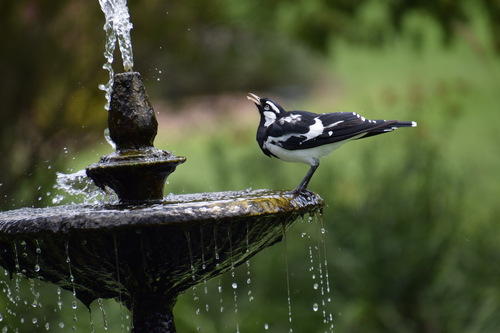 Australische slijkekster
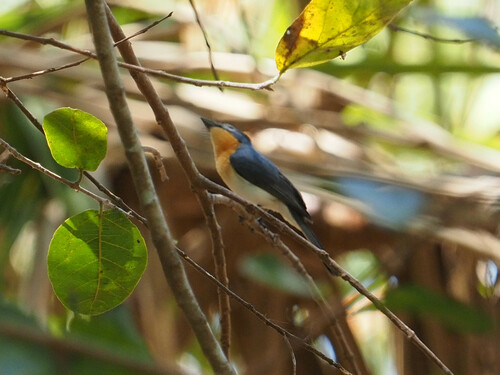 Kaneelborstmonarch
Kort gezegd
De meest betrouwbare veldkenmerk dat de Australische slijkekster van de Kaneelborstmonarch onderscheidt, is de algehele structuur en het verenkleed: de Australische slijkekster is een gedurfde zwart-witte, middelgrote vogel met een sterke, rechtopstaande houding, terwijl de Kaneelborstmonarch veel kleiner, eenvoudiger en meer uniform gekleurd is, met een merkbaar brede snavel. Juveniele Australische slijkeksters vertonen hetzelfde opvallende contrast als volwassenen, terwijl Kaneelborstmonarchen altijd veel subtieler zijn. In de vlucht zijn de witte panelen van de Australische slijkekster en het scherpe contrast duidelijk, in tegenstelling tot het meer gedempte patroon van de monarch. Grootte en jizz zijn ook opvallend verschillend, waarbij de Australische slijkekster bijna vijf keer zwaarder en veel robuuster is. Habitat kan helpen: de Australische slijkekster wordt vaak gezien in open gebieden, terwijl de Kaneelborstmonarch zich ophoudt aan bos- of mangrove-randen.
Herkenningstips
- Grootte is een belangrijke aanwijzing: De Australische slijkekster is bijna vijf keer zwaarder en veel langer dan de Kaneelborstmonarch. Als de vogel klein, delicaat en flycatcher-achtig lijkt, is het geen Australische slijkekster.
- Gedurfde zwart-witte verenkleed: Alle leeftijden en geslachten van de Australische slijkekster vertonen een sterk zwart-wit contrast, vooral op het gezicht, de keel, de vleugels en de onderdelen. De Kaneelborstmonarch is altijd veel eenvoudiger, zonder een scherp zwart-wit patroon.
- Gezichtspatroon per geslacht en leeftijd: Volwassen mannelijke Australische slijkekster heeft een zwarte keel en een witte wenkbrauw; volwassen vrouwelijke heeft een witte keel. Juvenielen hebben een witte keel (zoals de vrouwelijke) en een zwarte oogstreep (zoals de mannelijke). De Kaneelborstmonarch vertoont nooit deze patronen.
- Witte buik en keel: De Australische slijkekster vertoont altijd een witte buik en, in de meeste leeftijden/geslachten, een witte keel. De Kaneelborstmonarch is onderaan meer uniform gekleurd, nooit met een scherp witte buik of keel.
- Vluchtpatroon: In de vlucht flitst de Australische slijkekster wit in de vleugels en staart, zichtbaar op afstand. De Kaneelborstmonarch mist een dergelijk contrasterend vluchtpatroon.
- Snavelvorm: De Kaneelborstmonarch heeft een merkbaar brede, platte snavel, typisch voor monarch flycatchers, geschikt voor het vangen van insecten in de vlucht. De Australische slijkekster heeft een meer conventionele, puntige zangvogel-snavel.
- Zitgedrag: De Australische slijkekster zit vaak rechtop in het open veld, op hekken, draden of op de grond. De Kaneelborstmonarch zit in de boomtoppen of aan de bosrand, zelden in het open veld.
- Habitatcontext: Als gezien in open parkland, gazons of stedelijke gebieden, is de Australische slijkekster waarschijnlijk. Als diep in mangroves, bos of dichte waterside struiken, is de Kaneelborstmonarch waarschijnlijker.
- Territoriale agressie: De Australische slijkekster kan grotere vogels of zelfs mensen wegjagen; de Kaneelborstmonarch is niet agressief en is meer terughoudend.
- Vocalisaties: Luide, melodieuze, duetoproepen duiden op de Australische slijkekster. Stille of onopvallende oproepen (of stilte) zijn meer typisch voor de Kaneelborstmonarch.
- Jizz: De Australische slijkekster is rechtop, robuust, en paradeert of rent op de grond. De Kaneelborstmonarch is licht, fladdert tussen zitplaatsen, en loopt zelden op de grond.
- Bovenste vleugelpatroon bij juvenielen: Juveniele Australische slijkekster vertoont hetzelfde gedurfde contrast als volwassenen; juvenielen van de Kaneelborstmonarch zijn eenvoudig en missen een sterk patroon.
- Geslachtsverschillen: Alleen de Australische slijkekster vertoont duidelijk seksueel dimorfisme in het gezicht/keelpatroon; de Kaneelborstmonarch niet.
- Verwarringsrisico: Van een afstand kan een snelle glimp van een kleine, donkere vogel in een boom verwarring veroorzaken, maar de grootte, structuur en het ontbreken van gedurfde witte kleuren in de monarch zouden de Australische slijkekster snel uitsluiten.
- Regionale context: Beide soorten kunnen voorkomen in het noorden van Australië, maar de Australische slijkekster is veel wijdverspreider en gebruikelijker in open habitats, terwijl de Kaneelborstmonarch beperkt is tot specifieke vochtige of bosrijke gebieden.
Grootte
De Australische slijkekster is aanzienlijk groter en zwaarder (lichaamsgewicht ~47,5g) dan de Kaneelborstmonarch (~10,1g). De Australische slijkekster bereikt 25–30 cm in lengte—ongeveer de grootte van een Europese merel—terwijl de monarch veel kleiner is met 14–17 cm. Dit grootteverschil is duidelijk in het veld, zelfs op afstand of in de vlucht. De Australische slijkekster lijkt stevig en robuust, terwijl de Kaneelborstmonarch fijn en licht van lichaam is.
Verenkleed
Juveniele en volwassen Australische slijkeksters zijn altijd gedurfd zwart-wit gevlekt, met een witte buik en duidelijke gezichtspatronen: volwassen mannelijke hebben een zwarte keel en een witte wenkbrauw, vrouwelijke hebben een witte keel, en juvenielen combineren de witte keel van de vrouwelijke met de zwarte oogstreep van de mannelijke. Deze contrasten zijn zichtbaar op alle leeftijden en in alle seizoenen. In de vlucht vertoont de Australische slijkekster sterke zwart-witte vleugel- en staartpatronen. De Kaneelborstmonarch daarentegen mist elk gedurfd zwart-wit patroon op elke leeftijd; het is over het algemeen eenvoudig, met een meer uniforme kleur en geen scherp contrast tussen onder- en bovenkant. De monarch vertoont nooit een witte buik of keel die scherp afsteekt tegen de donkere bovenkant. Er zijn geen leeftijdspecifieke vleugel- of staartpatronen in de monarch die verward kunnen worden met het opvallende contrast van de Australische slijkekster.
Gedrag
De Australische slijkekster wordt vaak gezien terwijl hij op open grond loopt of rent, rechtop en gedurfd in het open veld zit, en is zeer territoriaal—soms valt hij grotere vogels of zelfs mensen aan. Het is opvallend en niet schuw. De Kaneelborstmonarch daarentegen wordt meestal gevonden terwijl hij stilletjes fladdert in de boomtoppen of aan de randen van het bos/mangrove, zelden in open grond. Het voedt zich door te jagen op insecten, maar is veel minder opvallend en meer terughoudend dan de Australische slijkekster.
Habitat
De Australische slijkekster geeft de voorkeur aan open habitats zoals parken, gazons, wegen en open bos, vaak nabij water maar niet beperkt tot bos. Het is algemeen en zichtbaar in stedelijke en landelijke open ruimtes in het grootste deel van Australië. De Kaneelborstmonarch wordt gevonden in vochtige bossen, mangroves en dichte struiken nabij water, vooral in het noorden van Australië en aangrenzende eilanden. Het vermijdt open grond en wordt zelden gezien weg van dichte vegetatie of de bosrand.
Geluid
De Australische slijkekster is bekend om zijn luide, melodieuze duetzang, waarbij paren afwisselend noten produceren die voor menselijke oren als één vogel kunnen klinken. Zijn oproepen zijn scherp, herhaalde 'pee-wee' of 'pee-wit' noten, vaak gegeven vanuit blootgestelde zitplaatsen. De vocalisaties van de Kaneelborstmonarch worden niet in detail beschreven in de bronnen, maar het produceert niet de luide, duetoproepen van de Australische slijkekster en is over het algemeen veel stiller en minder opvallend vocaal.
Australische slijkekster · Kaneelborstmonarch · Mijn lastige vogels