

Daurische klauwier vs Bruine klauwier
Lanius isabellinus versus Lanius cristatus
Speel een quiz met Daurische klauwier en Bruine klauwier
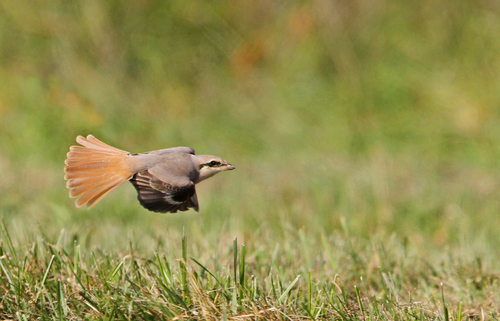 Daurische klauwier
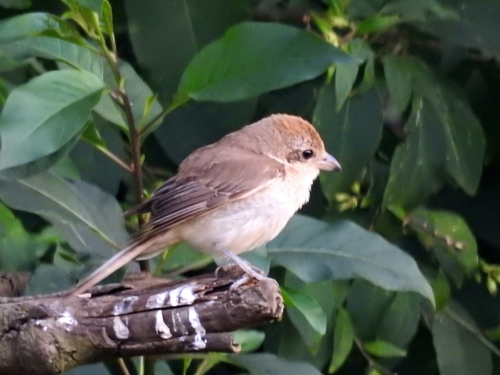 Bruine klauwier
Kort gezegd
De meest betrouwbare veldkenmerk om de Daurische klauwier van de Bruine klauwier te scheiden is de algehele kleur: Daurische klauwier toont een zandkleurige, isabellijn (lichte, warme buff) tint met een duidelijk rode staart, terwijl Bruine klauwier boven meer uniform bruin is met een bruinachtige of roestkleurige staart en een prominente donkere gezichtsmasker, vaak met een witte supercilium. Juveniele en onvolwassen vogels zijn vooral uitdagend, maar juveniele Daurische klauwieren hebben veel spaarzamere vermiculaties op de onderzijde in vergelijking met de dichtere schubben of strepen van jonge Bruine klauwieren. Subtiele verschillen in staartkleur, maskerdefinitie en onderzijdepatronen zijn cruciaal, vooral in niet-volwassen verenkleed. Structuur en grootte zijn zeer vergelijkbaar, dus focus op verenkleed en gezichts patroon voor veldscheiding.
Herkenningstips
- Juveniele onderzijdepatroon: Juveniele Daurische klauwieren hebben veel spaarzamere vermiculaties (fijne strepen) op de onderzijde, wat een schonere, lichtere uitstraling geeft; juveniele Bruine klauwieren zijn meer zwaar geschubd of gestreept onder. Dit is het meest betrouwbare kenmerk voor jonge vogels.
- Algehele bovenkleur: Daurische klauwier is zandkleurig of isabellijn (warme buff) boven, terwijl Bruine klauwier meer uniform bruin of roestbruin boven is. In sterk licht kan Daurische opvallend licht lijken in vergelijking met Bruin.
- Staartkleur: Daurische klauwier heeft een duidelijk rode staart, vooral opvallend bij volwassenen; de staart van Bruine klauwier is bruinachtig of roestkleurig, soms met een witte punt (vooral in superciliosus), maar niet zo felrood als Daurische.
- Gezichtsmasker: Bruine klauwier heeft een sterk donker masker (zwart bij mannetjes, donkerbruin bij vrouwtjes), vaak met een prominente witte supercilium (wenkbrauw). Het masker van Daurische klauwier is minder gedurfd, en het gezicht lijkt lichter en minder contrasterend.
- Supercilium (wenkbrauw): Bruine klauwier, vooral superciliosus en confusus ondersoorten, toont een brede witte supercilium; Daurische klauwier mist deze sterke witte wenkbrauw.
- Onderzijde tint: Daurische klauwier is lichter en schoner onder, vooral op de buik; Bruine klauwier heeft vaak roestkleurige flanken en een romigere, meer gemarkeerde buik.
- Staartvorm: De staart van Bruine klauwier wordt beschreven als afgerond; de staartvorm van Daurische klauwier is niet specifiek als diagnostisch genoteerd, maar let in plaats daarvan op het kleurverschil.
- Geslachtsverschillen: Vrouwelijke Bruine klauwieren hebben een minder goed gemarkeerd masker en meer geschubde onderzijde, wat op Daurische kan lijken, maar de dichtere onderzijde markeringen en bruine bovenkant helpen ze nog steeds te scheiden.
- Ondersoorten verwarring: Sommige ondersoorten van Bruine klauwier (bijv. superciliosus) kunnen een roder staart en rijkere kroon vertonen, maar het gezichtsmasker en de supercilium blijven sterke aanwijzingen. Daurische klauwier vertoont geen sterke witte wenkbrauw.
- Overlap en hybriden: In centraal Azië kunnen populaties van Bruine, Daurische en Grauwe klauwieren overlappen en intergraden, waardoor sommige individuen zeer uitdagend zijn. Gebruik een combinatie van kenmerken en wees voorzichtig met tussenliggende vogels.
- Vluchtzicht: Er zijn geen specifieke vleugelpatroonverschillen beschreven voor deze twee, dus vertrouw op staartkleur en algehele tint in vlucht.
- Zittende weergaven: Focus op gezichts patroon (masker en supercilium), staartkleur en onderzijde markeringen. Verrekijkerweergaven van het hoofd en de staart zijn het meest nuttig.
- Grootte en structuur: Beide zijn vergelijkbaar in grootte en vorm; vertrouw niet op bulk of lengte voor scheiding.
- Habitat en gedrag: Beide gebruiken vergelijkbare open habitats en jachtstrategieën; gebruik geen habitat of jizz alleen voor identificatie.
- Stem: Geen betrouwbare verschillen in roep of zang voor veldscheiding; gebruik vocalisaties niet als een primair kenmerk.
Grootte
Beide soorten zijn zeer dicht bij elkaar in grootte, met Bruine klauwier die gemiddeld iets zwaarder is (Bruine klauwier: 33.0g; Daurische klauwier: 30.0g) [wikidata]. In het veld is dit verschil verwaarloosbaar en geen betrouwbare scheidingspunt. Algehele jizz, snavelgrootte en staartlengte zijn vergelijkbaar; geen van beide soorten is merkbaar bulker of langer dan de andere.
Verenkleed
- Juveniele/onvolwassen vogels: Daurische klauwier toont veel spaarzamere vermiculaties (fijne strepen of schubben) op de onderzijde, wat een schonere, lichtere uitstraling geeft. Juveniele Bruine klauwieren en vrouwtjes hebben dichtere schubben of strepen onder, wat vaak meer zwaar gemarkeerd en minder uniform lijkt.
- Volwassenen: Daurische klauwier is zandkleurig of isabellijn boven, met een duidelijk rode staart. Bruine klauwier is meer uniform bruin boven, met een bruinachtige of roestkleurige staart (niet zo rood als Daurische), en een prominente donkere masker (zwart bij mannetjes, donkerbruin bij vrouwtjes) met een witte supercilium (wenkbrauw) die vooral breed is in sommige ondersoorten (bijv. superciliosus).
- Staart: Daurische klauwier heeft een rode staart; de staart van Bruine klauwier is bruiner of roestkleurig, soms met een witte punt (in superciliosus). De staart van Bruine klauwier is afgerond, terwijl die van Daurische niet specifiek als zodanig wordt beschreven.
- Gezichtspatroon: Bruine klauwier heeft een sterk donker masker, vaak met een witte supercilium. Het masker van Daurische is minder benadrukt en het gezicht lijkt over het algemeen lichter.
- Onderzijde: Daurische is lichter en schoner onder, vooral bij juvenielen; Bruine klauwier heeft meer roestkleurige flanken en buik, en meer gemarkeerde onderzijde bij jonge/vrouwelijke vogels.
Gedrag
Beide soorten zijn typische klauwieren: ze jagen vanaf blootgestelde zitplaatsen, duiken naar de grond voor prooi, en kunnen prooi op doornen spietsen. Er zijn geen diagnostische gedragsverschillen genoteerd tussen deze twee. Beide zijn migrerend en vestigen winterterritoria, maar dit is niet nuttig voor veldscheiding.
Habitat
Beide klauwieren bezetten vergelijkbare open habitats in Azië, waaronder semi-woestijn, struikgewas en bosrand. Overlap in bereik en habitat is mogelijk, vooral tijdens migratie en in de winter. Habitat alleen is niet diagnostisch voor het scheiden van deze twee soorten.
Geluid
Geen onderscheidende vocale verschillen zijn beschreven in de beschikbare notities voor het scheiden van Daurische klauwier van Bruine klauwier. De winterzang van Bruine klauwier is vaag en kletsend, maar dit staat niet in contrast met Daurische klauwier; beide kunnen andere vogels imiteren. Vocalisaties zijn geen betrouwbare veldkenmerk voor dit paar op basis van huidige bronnen.