

Motmot

モウコアカモズ 対 アカモズ

Lanius isabellinus 対 Lanius cristatus

モウコアカモズとアカモズのクイズ
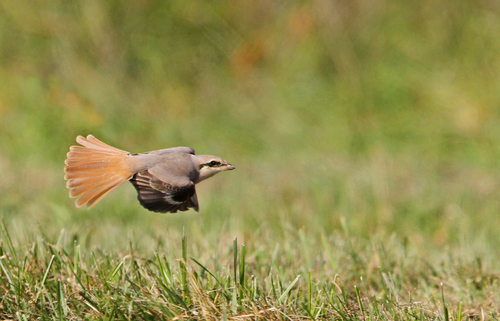
モウコアカモズ (Lanius isabellinus) モウコアカモズ
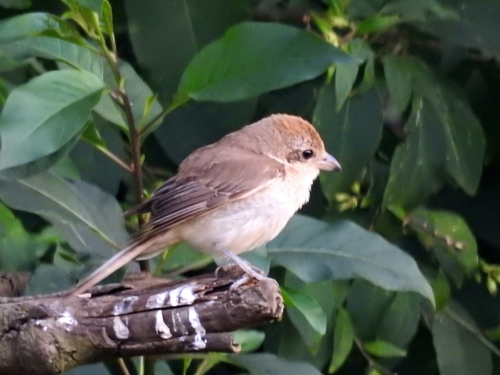
アカモズ (Lanius cristatus) アカモズ

メディア

読み込み中…

要点

アカモズとモウコアカモズを区別する最も信頼できるフィールドマークは全体の色合いです:モウコアカモズは砂色のアイザベリーヌ(淡い温かいバフ)トーンを示し、明確に赤い尾を持っていますが、アカモズは上面がより均一に茶色で、茶色がかったまたは赤褐色の尾と目立つ暗い顔のマスクを持ち、しばしば白い眉斑があります。幼鳥や未成熟の鳥は特に難しいですが、モウコアカモズの幼鳥はアカモズの若鳥に比べて腹部の模様がはるかにまばらです。尾の色、マスクの定義、腹部の模様の微妙な違いが重要であり、特に非成鳥の羽毛において重要です。構造とサイズは非常に似ているため、フィールドでの区別には羽毛と顔の模様に焦点を当ててください。

識別のコツ

  1. Juvenile underpart pattern: モウコアカモズの幼鳥は腹部に非常にまばらな模様(細かいバーニング)を持ち、よりクリーンで淡い外観を与えます;アカモズの幼鳥は下部がより重くスカラップまたはバーニングされています。これは若い鳥にとって最も信頼できるマークです。
  2. Overall upperpart color: モウコアカモズは上面が砂色またはアイザベリーヌ(温かいバフ)であるのに対し、アカモズは上面がより均一に茶色または赤褐色です。強い光の下では、モウコアカモズはアカモズに比べて驚くほど淡く見えることがあります。
  3. Tail color: モウコアカモズは明確に赤い尾を持ち、特に成鳥では顕著です;アカモズの尾は茶色がかったり赤褐色で、時には白い先端(特にsuperciliosus)を持っていますが、モウコアカモズほど明るい赤ではありません。
  4. Facial mask: アカモズは強い暗いマスク(オスは黒、メスは暗褐色)を持ち、しばしば目立つ白い眉斑(眉)があります。モウコアカモズのマスクはそれほど際立っておらず、顔はより淡く、対照が少ないように見えます。
  5. Supercilium (brow): アカモズ、特にsuperciliosusおよびconfusus亜種は、広い白い眉斑を示します;モウコアカモズはこの強い白い眉を欠いています。
  6. Underpart tone: モウコアカモズは腹部がより淡く、クリーンで、特に腹部で顕著です;アカモズはしばしば赤褐色の側面とクリーミーでより目立つ腹部を持っています。
  7. Tail shape: アカモズの尾は丸いと記述されています;モウコアカモズの尾の形は特に診断的とは記載されていませんが、代わりに色の違いを探してください。
  8. Sex differences: メスのアカモズはマスクがあまり明確でなく、よりスカラップされた腹部を持っており、モウコアカモズに似ることがありますが、より密な腹部の模様と茶色の上面が依然として彼らを区別するのに役立ちます。
  9. Subspecies confusion: 一部のアカモズの亜種(例:superciliosus)は、より赤い尾と豊かな冠を示すことがありますが、顔のマスクと眉斑は依然として強い手がかりです。モウコアカモズは強い白い眉を示しません。
  10. Overlap and hybrids: 中央アジアでは、アカモズ、モウコアカモズ、セアカモズの個体群が重なり合い、交雑することがあり、一部の個体は非常に難しいです。マークの組み合わせを使用し、中間的な鳥に注意してください。
  11. Flight views: これら二つの間で特定の翼のパターンの違いは記載されていないため、飛行中の尾の色と全体のトーンに依存してください。
  12. Perched views: 顔のパターン(マスクと眉斑)、尾の色、および腹部の模様に焦点を当ててください。頭と尾の双眼鏡での視界が最も役立ちます。
  13. Size and structure: 両者はサイズと形が似ています;区別のために体重や長さに依存しないでください。
  14. Habitat and behavior: 両者は類似の開けた生息地と狩猟戦略を使用します;生息地やジズだけで識別しないでください。
  15. Voice: フィールドでの区別のための呼び声や歌の信頼できる違いはありません;音声を主要なマークとして使用しないでください。

大きさ

両種はサイズが非常に近く、アカモズはわずかに重い(アカモズ:33.0g;モウコアカモズ:30.0g)です [wikidata]。フィールドでは、この違いは無視できるものであり、信頼できる区別ポイントではありません。全体的なジズ、くちばしのサイズ、および尾の長さは似ており、どちらの種も特に大きいまたは長いわけではありません。

羽色

行動

両種は典型的なモズであり、露出した止まり木から狩りを行い、獲物のために地面に飛び出し、獲物を棘に刺すことがあります。これら二つの間で診断的な行動の違いは記載されていません。両者は渡り鳥であり、冬のテリトリーを確立しますが、これはフィールドでの区別には役立ちません。

生息環境

両者はアジア全体の類似の開けた生息地を占有しており、半砂漠、低木、森林の縁を含みます。特に渡りや冬において、範囲と生息地の重なりが可能です。生息地だけではこれら二種を区別するための診断的なものではありません。

声

モウコアカモズとアカモズを区別するための利用可能なノートには、特有の音声の違いは記載されていません。アカモズの冬の歌はかすかでおしゃべりですが、これはモウコアカモズと対比されることはありません;両者は他の鳥を模倣することがあります。音声はこのペアのための信頼できるフィールドマークではありません。

より良い説明を送る

比較と同じ項目を使ってください。文章はすぐに公開されます。

The most reliable field mark to separate Isabelline Shrike from Brown Shrike is overall coloration: Isabelline Shrike shows a sandy, isabelline (pale, warm buff) tone with a distinctly red tail, while Brown Shrike is more uniformly brown above with a brownish or rufous-tinged tail and a prominent dark facial mask, often with a white supercilium. Juvenile and immature birds are especially challenging, but Isabelline Shrike juveniles have much sparser vermiculations on the underparts compared to the denser scalloping or barring of young Brown Shrikes. Subtle differences in tail color, mask definition, and underpart patterning are key, especially in non-adult plumages. Structure and size are very similar, so focus on plumage and facial pattern for field separation.

  1. Juvenile underpart pattern: Isabelline Shrike juveniles have much sparser vermiculations (fine barring) on the underparts, giving a cleaner, paler look; Brown Shrike juveniles are more heavily scalloped or barred below. This is the most reliable mark for young birds.
  2. Overall upperpart color: Isabelline Shrike is sandy or isabelline (warm buff) above, while Brown Shrike is more uniformly brown or rufous-brown above. In strong light, Isabelline can appear strikingly pale compared to Brown.
  3. Tail color: Isabelline Shrike has a distinctly red tail, especially obvious in adults; Brown Shrike's tail is brownish or rufous, sometimes with a white tip (especially in superciliosus), but not as bright red as Isabelline.
  4. Facial mask: Brown Shrike has a strong dark mask (black in males, dark brown in females), often with a prominent white supercilium (brow). Isabelline Shrike's mask is less bold, and the face appears paler and less contrasting.
  5. Supercilium (brow): Brown Shrike, especially superciliosus and confusus subspecies, shows a broad white supercilium; Isabelline Shrike lacks this strong white brow.
  6. Underpart tone: Isabelline Shrike is paler and cleaner below, especially on the belly; Brown Shrike often has rufous flanks and a creamier, more marked belly.
  7. Tail shape: Brown Shrike's tail is described as rounded; Isabelline Shrike's tail shape is not specifically noted as diagnostic, but look for the color difference instead.
  8. Sex differences: Female Brown Shrikes have a less well-marked mask and more scalloped underparts, which can resemble Isabelline, but the denser underpart markings and brown upperparts still help separate them.
  9. Subspecies confusion: Some Brown Shrike subspecies (e.g., superciliosus) can show a redder tail and richer crown, but the facial mask and supercilium remain strong clues. Isabelline Shrike does not show a strong white brow.
  10. Overlap and hybrids: In central Asia, populations of Brown, Isabelline, and Red-backed Shrikes can overlap and intergrade, making some individuals very challenging. Use a combination of marks and beware of intermediate birds.
  11. Flight views: No specific wing pattern differences are described for these two, so rely on tail color and overall tone in flight.
  12. Perched views: Focus on face pattern (mask and supercilium), tail color, and underpart markings. Binocular views of the head and tail are most helpful.
  13. Size and structure: Both are similar in size and shape; do not rely on bulk or length for separation.
  14. Habitat and behavior: Both use similar open habitats and hunting strategies; do not use habitat or jizz alone for identification.
  15. Voice: No reliable differences in calls or song for field separation; do not use vocalizations as a primary mark.

Both species are very close in size, with Brown Shrike averaging slightly heavier (Brown Shrike: 33.0g; Isabelline Shrike: 30.0g) [wikidata]. In the field, this difference is negligible and not a reliable separation point. Overall jizz, bill size, and tail length are similar; neither species is notably bulkier or longer than the other.

  • Juvenile/immature birds: Isabelline Shrike shows much sparser vermiculations (fine barring or scalloping) on the underparts, giving a cleaner, paler look. Brown Shrike juveniles and females have denser scalloping or barring below, often appearing more heavily marked and less uniform.
  • Adults: Isabelline Shrike is sandy or isabelline above, with a distinctly red tail. Brown Shrike is more uniformly brown above, with a brownish or rufous-tinged tail (not as red as Isabelline), and a prominent dark mask (black in males, dark brown in females) with a white supercilium (brow) that is especially broad in some subspecies (e.g., superciliosus).
  • Tail: Isabelline Shrike has a red tail; Brown Shrike's tail is browner or rufous, sometimes with a white tip (in superciliosus). The tail of Brown Shrike is rounded, while Isabelline's is not specifically described as such.
  • Facial pattern: Brown Shrike has a strong dark mask, often with a white supercilium. Isabelline's mask is less emphasized and the face appears paler overall.
  • Underparts: Isabelline is paler and cleaner below, especially in juveniles; Brown Shrike has more rufous flanks and belly, and more marked underparts in young/female birds.

Both species are typical shrikes: they hunt from exposed perches, sallying to the ground for prey, and may impale prey on thorns. No diagnostic behavioral differences are noted between these two. Both are migratory and establish winter territories, but this is not useful for field separation.

Both shrikes occupy similar open habitats across Asia, including semi-desert, scrub, and forest edge. Overlap in range and habitat is possible, especially in migration and winter. Habitat alone is not diagnostic for separating these two species.

No distinctive vocal differences are described in the available notes for separating Isabelline Shrike from Brown Shrike. Brown Shrike's winter song is faint and chattering, but this is not contrasted with Isabelline Shrike; both may mimic other birds. Vocalizations are not a reliable field mark for this pair based on current sources.

変更を破棄しますか?

保存していない編集があります。今離れると失われます。

モウコアカモズ · アカモズ · 苦手な鳥